NASA’s Artemis II mission, set to launch in 2024, has revealed a surprising detail: astronauts will carry iPhones into space. The decision, made in collaboration with Apple, marks a significant shift in how space agencies integrate consumer technology into deep-space exploration. The mission, which will orbit the Moon, aims to test systems for future lunar landings and human missions to Mars. This move has sparked discussions in India, where tech innovation and space exploration are growing areas of interest.
iPhone Integration in Space Missions
The inclusion of iPhones in the Artemis II mission is part of NASA’s broader strategy to leverage commercial technology for space travel. The devices will be used for navigation, communication, and data collection, offering a cost-effective and reliable alternative to custom-built equipment. NASA’s Human Research Program has been testing the durability of consumer-grade smartphones in extreme conditions, including radiation exposure and microgravity. The mission will also evaluate the performance of iOS in space environments, with data collected by the agency’s Space Technology Mission Directorate.
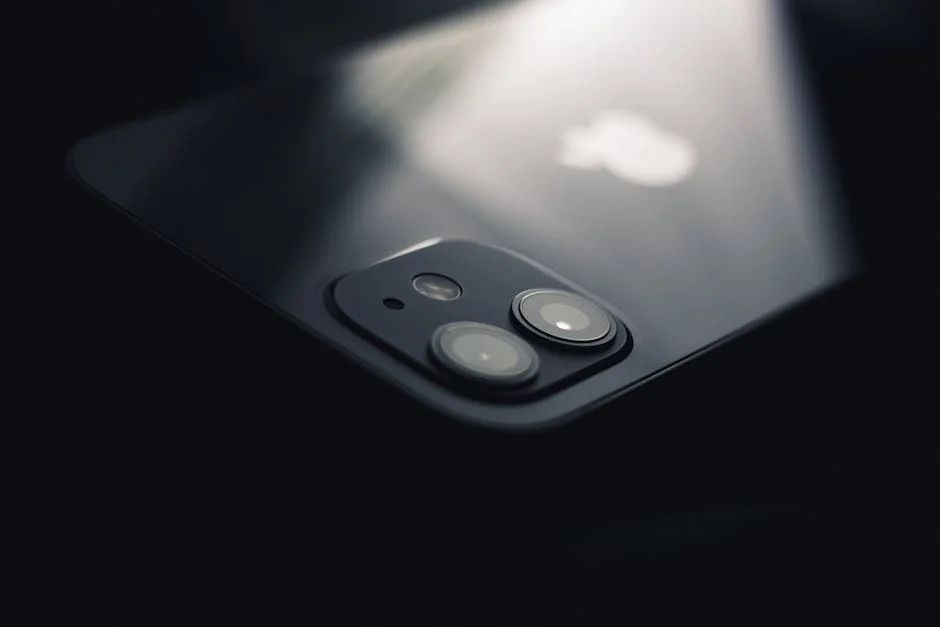
Apple has not disclosed the exact number of iPhones being sent, but the devices will be modified with radiation shielding and software updates to ensure functionality in space. The collaboration highlights the growing role of private companies in space exploration, a trend that has seen firms like SpaceX and Blue Origin play a key role in recent missions. For Indian tech enthusiasts, this development underscores the potential of consumer electronics in scientific research and space travel.
Implications for Indian Tech and Innovation
The use of iPhones in space has generated interest among Indian engineers and tech startups, many of whom are looking to contribute to the global space industry. India’s space agency, the Indian Space Research Organisation (ISRO), has been working on indigenous satellite and rocket technology, but the Artemis II mission shows the value of integrating commercial products into space programs. This could encourage more Indian companies to explore partnerships with global space agencies.
India’s tech sector, particularly in cities like Bengaluru and Hyderabad, has been rapidly expanding. The Artemis II mission could serve as a case study for Indian startups looking to develop space-compatible technologies. For instance, companies working on satellite communication or remote sensing might see opportunities to collaborate with international space agencies. The mission also highlights the importance of software development, a field where Indian engineers have a strong presence.
While the direct impact on India’s space program remains unclear, the Artemis II mission demonstrates how consumer technology can be adapted for space use. This could influence future Indian space missions, especially as the country plans to send its own astronauts to space in the coming years. The success of the iPhone integration could lead to more cost-effective and innovative approaches to space exploration in India.
Public Reaction and Community Response
The news has been met with curiosity and excitement in Indian tech communities. Social media platforms like Twitter and LinkedIn have seen discussions about the potential applications of consumer technology in space. Many users have praised NASA for embracing off-the-shelf solutions, arguing that such approaches can accelerate innovation and reduce costs. However, some experts have raised concerns about the reliability of consumer-grade devices in extreme conditions.
Indian space enthusiasts have also expressed interest in how this development might influence future collaborations between India and global space agencies. The Indian government has been pushing for greater private-sector involvement in space exploration, and the Artemis II mission could serve as a model for such partnerships. In cities like Pune and Chennai, where tech startups are growing, this could inspire new ventures focused on space technology and satellite systems.
Community response has been mixed. While some see the use of iPhones in space as a positive step toward innovation, others worry about the long-term implications. The debate highlights the need for careful evaluation of technology in space missions, ensuring that safety and reliability are prioritized over cost savings.
What to Watch Next
As the Artemis II mission approaches, the focus will be on how well the iPhones perform in space. NASA will closely monitor the devices for any malfunctions or data inconsistencies. The results of this test could influence future space missions, including those planned by ISRO. If the iPhones prove reliable, it may lead to more widespread use of consumer technology in space exploration.
India’s space sector is also expected to monitor the mission closely. The success of the iPhone integration could encourage ISRO to explore similar collaborations with private companies. In the coming months, more details about the mission’s technical specifications and expected outcomes are likely to emerge. For Indian tech professionals, this development offers a glimpse into the future of space technology and the role of consumer electronics in scientific advancement.
The Artemis II mission represents a new era in space exploration, one where commercial technology plays a critical role. As the world watches the launch, the implications for global space programs—and particularly for India’s growing tech sector—will become clearer in the months ahead.