India’s Ministry of Defence has mandated that all military aircraft must be upgraded by 2027 to prevent interference from 5G and 6G signals, a move that could reshape the country’s telecom and aviation sectors. The directive, issued in December, highlights the growing concern over the potential risks of advanced wireless technologies to critical infrastructure.
What the Directive Entails
The order, issued by the Defence Research and Development Organisation (DRDO), requires all aircraft, including fighter jets and transport planes, to be equipped with shielding against electromagnetic interference from high-frequency signals. The timeline of 2027 was chosen to allow for the gradual implementation of upgrades without disrupting operations.
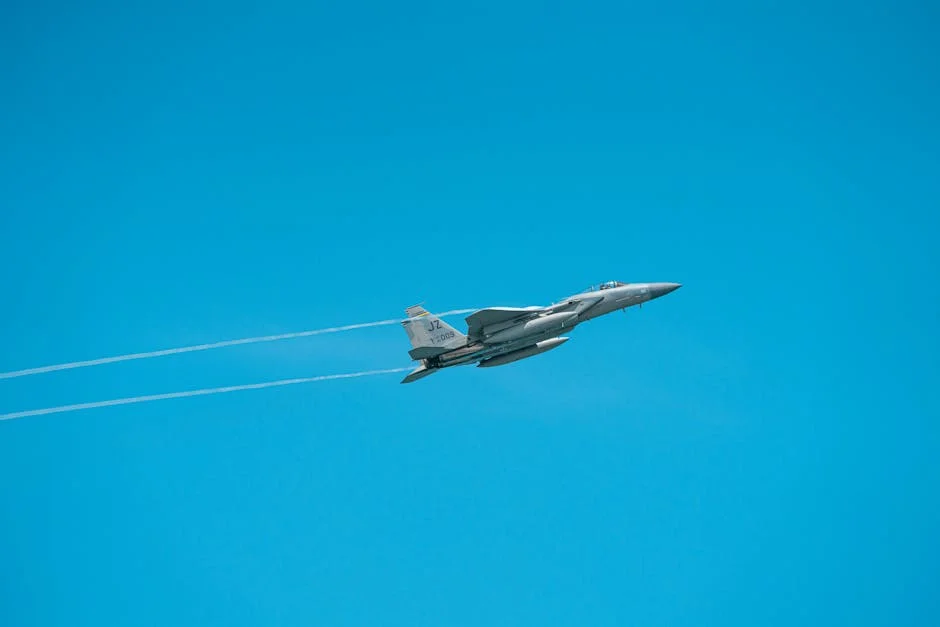
“The technology is evolving rapidly, and we must ensure that our military assets remain secure from any potential disruptions,” said Dr. S. Somanath, Chairman of the Indian Space Research Organisation (ISRO). The directive is not limited to military aircraft but also affects civil aviation, as the same signals could interfere with navigation systems.
Impact on the Telecom Sector
The new rules have raised concerns within India’s telecom industry, where 5G rollout is already underway. Operators like Bharti Airtel and Reliance Jio fear that the restrictions could delay the expansion of high-speed networks, especially in regions where military infrastructure is concentrated.
“We are working closely with the government to find a balance between security and connectivity,” said Akash Ambani, CEO of Reliance Jio. “But the 2027 deadline is tight, and we need more clarity on the technical requirements.”
The directive could also affect the deployment of 6G research, which India aims to lead in the next decade. With the Ministry of Electronics and Information Technology (MeitY) already investing in 6G trials, the new regulations may require additional safeguards for test sites and research facilities.
Local Economy and Daily Life
For citizens in cities like Bengaluru and Hyderabad—key hubs for both aviation and telecom—the changes could mean slower internet speeds in certain areas. Local businesses, especially those relying on cloud services and real-time data, may face challenges in adapting to the new constraints.
“If 5G signals are restricted near military bases, it could impact the quality of service in surrounding regions,” said Ravi Kumar, a tech entrepreneur in Bengaluru. “We hope the government will provide clear guidelines to avoid unintended consequences.”
Communities near military installations, such as in Andhra Pradesh and Tamil Nadu, are also watching closely. Some residents worry that the restrictions could limit access to better connectivity, slowing down digital services in rural and semi-urban areas.
Community Response and Concerns
Local leaders have expressed mixed reactions. In Kerala, where a major airbase is located, the state government has called for more dialogue with the central authorities. “We understand the security concerns, but we also need to ensure that our people are not left behind,” said Chief Minister Pinarayi Vijayan.
Advocacy groups, including the Digital Rights Foundation, have raised questions about the transparency of the directive. “The public deserves to know exactly what the restrictions mean and how they will be enforced,” said Nandita Rao, a policy analyst.
Despite these concerns, there is also support for the move. Many citizens see it as a necessary step to protect national security, especially as global tensions over 5G and 6G technologies continue to rise.
Future Steps and Deadlines
The next major milestone is the 2025 review, when the government will assess the progress of upgrades and evaluate the impact on telecom infrastructure. By then, telecom operators must submit detailed plans for how they will comply with the new rules without compromising service quality.
Meanwhile, the DRDO is expected to release technical specifications by early 2024, which will guide manufacturers and service providers. The coming months will be critical in determining how smoothly the transition unfolds across the country.
The 2027 deadline is not just a technical challenge—it is a test of India’s ability to balance security, innovation, and the needs of its citizens. As the nation prepares for the next phase of digital transformation, the next few years will be pivotal in shaping the future of both aviation and telecom.