Germany has announced a temporary suspension of military approvals for men under 45 to serve on long-term overseas missions, a decision that has immediate implications for both national security policy and local communities across the country. The move, effective from 1 May 2025, was confirmed by the German Ministry of Defence, which cited the need for a strategic review of troop deployment protocols. The directive impacts regions such as Bavaria, where military bases have historically been key employers and community anchors.
What Happened and Why
The German Ministry of Defence issued the directive following a review of ongoing operations in conflict zones, including Afghanistan and Mali. The decision comes amid growing public debate over the risks and benefits of long-term deployments. Defence Minister Boris Pistorius stated that the pause would allow the government to reassess the balance between national security and the welfare of military personnel and their families. “This is not a permanent change, but a necessary step to ensure our forces are deployed in the most effective and sustainable way,” Pistorius said in a press briefing.
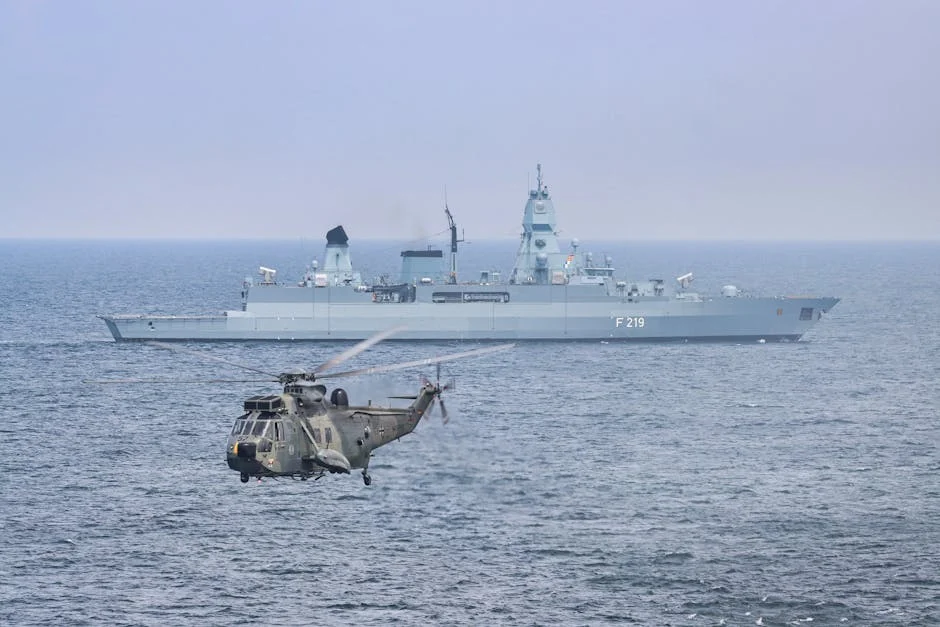
The suspension affects all male service members aged 45 and below who are scheduled for extended stays abroad. This includes those in roles such as peacekeeping, training missions, and combat support. The policy change has raised concerns among military families, particularly in cities like Munich and Stuttgart, where military installations are central to the local economy. “We understand the need for a review, but the uncertainty is difficult for families,” said Anna Schmid, a military spouse in Munich.
Impact on Local Communities
Local economies in regions with large military presence are already feeling the ripple effects. In Bavaria, where several major bases are located, businesses that rely on military personnel—such as retail stores, restaurants, and housing providers—are reporting a slowdown in demand. “We’ve seen a 15% drop in foot traffic since the announcement,” said Thomas Weber, owner of a café near the Weingarten military base. “Many families are considering moving, which could further impact the local economy.”
The move has also sparked discussions about the role of the military in Germany’s national identity. In recent years, there has been a shift towards more defensive and less interventionist policies. This suspension reflects that trend, but it has also led to concerns about Germany’s ability to contribute to international security efforts. “The military is a key part of our national fabric,” said Dr. Lena Hofmann, a political analyst at the University of Heidelberg. “This decision may signal a broader re-evaluation of Germany’s global role.”
What This Means for Citizens
Citizens in regions with strong military ties are now looking for clarity on how this policy will affect their daily lives. In towns like Kassel and Göttingen, where military personnel make up a significant portion of the population, there are questions about future employment opportunities and community stability. “We need to know if our sons and daughters will still have a future in the armed forces,” said Klaus Richter, a father of two active-duty soldiers in Göttingen.
The decision also raises concerns about the potential for increased reliance on female service members for overseas deployments. Currently, women make up about 12% of Germany’s military. With the suspension affecting men under 45, there may be a shift in the demographic composition of deployed units. “This could be a turning point for gender representation in the armed forces,” said Dr. Maria Fischer, a gender studies professor at the University of Freiburg.
Long-Term Implications
The suspension could lead to a rethinking of Germany’s military strategy and international commitments. The government has yet to outline the timeline for the review, but officials have indicated that the process may take several months. In the meantime, military units are being reassessed for their current roles, and new deployment plans are on hold. “We are in a transitional phase,” said Defence Ministry spokesperson Christian Lang. “The goal is to ensure that our forces are ready for any future challenges.”
The decision has also drawn attention from international allies, particularly within NATO. Germany has been a key contributor to peacekeeping missions, and the pause may affect ongoing operations. “This is a significant development that will be closely watched,” said NATO spokesperson Oana Lungescu. “We remain committed to working with Germany to ensure stability in all our operations.”
What to Watch Next
The German government is expected to release a detailed report on the review by the end of June 2025. This report will outline the findings and potential changes to deployment policies. Meanwhile, local communities are preparing for possible shifts in employment and economic activity. Military families are also seeking updates on how the policy will affect their loved ones’ careers and future assignments.
For citizens in Germany, the coming months will be critical in determining how this policy shift affects their daily lives, local economies, and national security. As the government moves forward with its review, the focus will remain on balancing military readiness with the well-being of service members and their families.