Researchers in Mumbai successfully rehabilitated a grounded peregrine falcon chick, which had been found injured near the city’s coastline. The bird, identified as a juvenile of the species, was taken to the Mumbai-based Wildlife Rescue and Rehabilitation Centre (WRRC) for medical care. After a two-week recovery period, the chick was released back into the wild, marking a rare success in urban wildlife conservation efforts.
Rescue and Rehabilitation Process
The peregrine falcon, a species known for its incredible speed, was discovered by a local fisherman on 15 May in the Versova area of Mumbai. The bird was suffering from a fractured wing and dehydration. The WRRC, a non-profit organisation dedicated to wildlife rescue, immediately took the chick under their care.
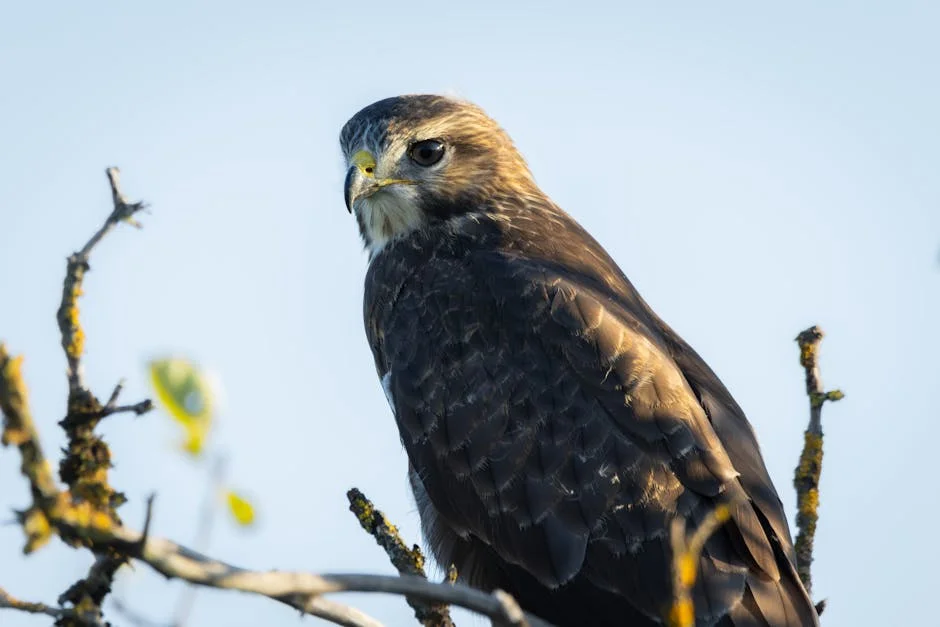
Dr. Anjali Mehta, a senior veterinarian at WRRC, explained the treatment process. “The chick was malnourished and had a minor fracture. We provided it with a controlled diet of small prey and monitored its recovery closely. After two weeks, it was strong enough to fly again,” she said.
Impact on Local Communities
The incident has sparked renewed interest in wildlife conservation among Mumbai residents. Local environmental groups have used the event to raise awareness about the need to protect urban biodiversity. The peregrine falcon, once a common sight in the city, has seen its population decline due to habitat loss and pollution.
“This is a reminder that even in a bustling metropolis like Mumbai, nature still has a place,” said Ravi Kapoor, a member of the Mumbai Environmental Alliance. “It shows that with proper care and attention, we can coexist with wildlife.”
Conservation Efforts in the Region
The WRRC has been at the forefront of wildlife rescue in Maharashtra for over a decade. In 2023 alone, the organisation rescued more than 200 animals, including birds, reptiles, and small mammals. The successful release of the peregrine falcon is part of a broader initiative to restore native species in urban areas.
Conservationists are now calling for more government support to expand such efforts. “We need policies that protect green spaces and encourage public participation in wildlife protection,” said Mehta. “Every small action can make a big difference.”
Public Response and Future Steps
Residents in Versova and nearby areas have expressed relief and pride in the bird’s recovery. Social media platforms have been flooded with photos and videos of the release, with many users sharing their admiration for the WRRC’s work.
Looking ahead, the WRRC plans to launch a public education campaign in June to teach residents how to identify and report injured wildlife. The initiative will include workshops in schools and community centres across Mumbai.
Community Engagement and Awareness
The peregrine falcon’s return to the skies has also inspired local schools to incorporate wildlife conservation into their curriculum. A pilot programme in 10 schools will begin in July, focusing on the importance of biodiversity in urban settings.
“This is a great opportunity to educate the next generation about the environment,” said Sunil Deshmukh, an environmental educator. “We want children to understand that their actions can have a real impact on wildlife.”
The release of the peregrine falcon is a small but significant step in the larger movement to protect urban wildlife. As the WRRC continues its efforts, the public is encouraged to stay informed and involved. With more awareness and support, conservation can thrive even in the heart of a city.