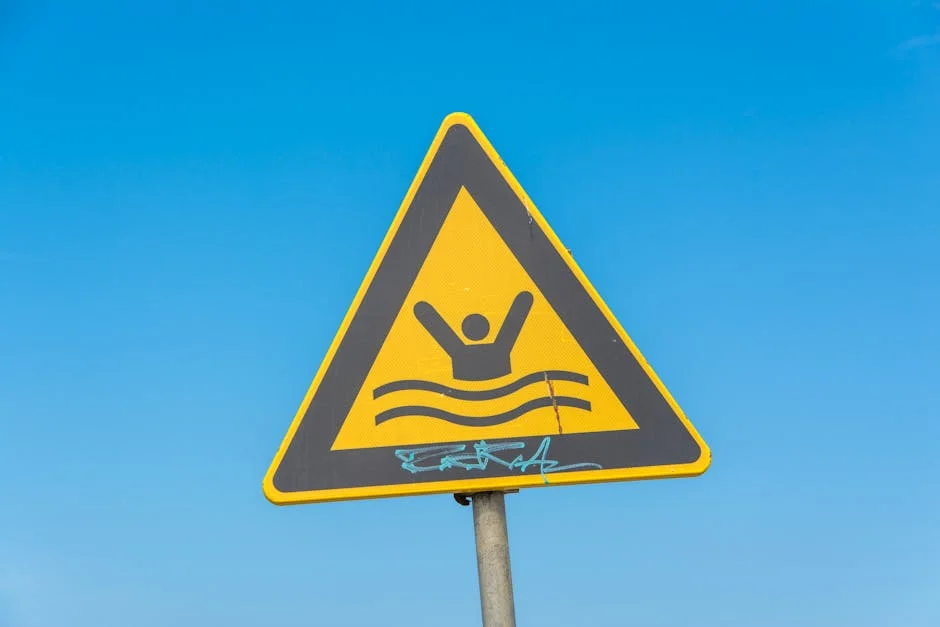
India's water sector faces a deepening crisis as hundreds of corruption cases linked to water management have been referred for prosecution, but no arrests have been made, leaving communities frustrated and questioning the effectiveness of local governance. The Central Water Commission, a key federal agency, confirmed the cases, but officials have not provided clear reasons for the lack of action. The situation has sparked anger in cities like Jaipur, where residents are struggling with water shortages and suspect foul play in resource distribution.
Water Corruption Cases Refereed, No Charges Filed
The Central Water Commission (CWC) has identified 328 cases of alleged corruption in the water sector since 2022, according to an internal report obtained by local media. These cases range from embezzlement of funds to misuse of public resources for private gain. Despite the referrals, none of the accused have been arrested, raising concerns about the enforcement of anti-corruption laws. "This is a clear failure of accountability," said Ravi Sharma, a local activist in Jaipur, where water rationing has become a daily struggle for thousands of families.

The lack of arrests has led to growing distrust among citizens, who feel that those in power are not being held responsible for their actions. In Jaipur, water supply has been erratic for months, with some areas receiving water only once a week. "We pay our taxes, but the government fails to deliver clean and reliable water," said Meera Patel, a resident of the city's old town. "It's not just a lack of resources—it's a lack of transparency and justice."
Impact on Daily Life and Local Economy
The water crisis is having a direct impact on daily life in Jaipur and other cities across Rajasthan. Businesses, especially those in the hospitality and agriculture sectors, are suffering due to inconsistent water supply. Small-scale farmers, who rely on groundwater for irrigation, are facing severe financial strain as wells dry up and water prices soar. "We can't afford to buy water from private suppliers," said Arjun Mehta, a farmer from the village of Sirohi. "Our crops are failing, and we're losing everything."
The economic strain is compounded by the lack of government action. A 2023 report by the Rajasthan State Planning Board found that 65% of rural households in the state face water scarcity for at least six months of the year. "This is not just a water issue—it's a social and economic crisis," said Dr. Anjali Verma, a development economist based in Jaipur. "Without proper governance and accountability, the situation will only get worse."
Community Response and Calls for Transparency
Local communities are increasingly taking matters into their own hands. In Jaipur, several grassroots organizations have started campaigns to demand accountability from officials. These groups are using social media and public demonstrations to highlight the issue and pressure the government to act. "We want transparency, not just promises," said Priya Kapoor, a volunteer with one such group. "We need to know who is responsible and what will be done about it."
The lack of arrests has also led to questions about the effectiveness of the National Anti-Corruption Bureau (NACB), which is responsible for investigating such cases. Critics argue that the bureau is understaffed and underfunded, making it difficult to pursue high-profile cases. "The NACB needs more resources and independence to do its job properly," said legal expert Manoj Kumar. "Otherwise, corruption will continue to thrive unchecked."
What Comes Next?
With the next general election approaching, the issue of water corruption is expected to become a major political talking point. Political parties are already using the crisis to criticize the current administration, promising reforms if elected. However, many residents remain skeptical, fearing that promises will not translate into action. "We've heard it all before," said Rajesh Singh, a local business owner. "We need results, not rhetoric."
As the monsoon season approaches, the pressure on water authorities will only increase. Officials have pledged to improve infrastructure and streamline water distribution, but without clear steps to address corruption, many believe the situation will remain unchanged. The coming months will be critical in determining whether the government can restore public trust or if the crisis will deepen further.