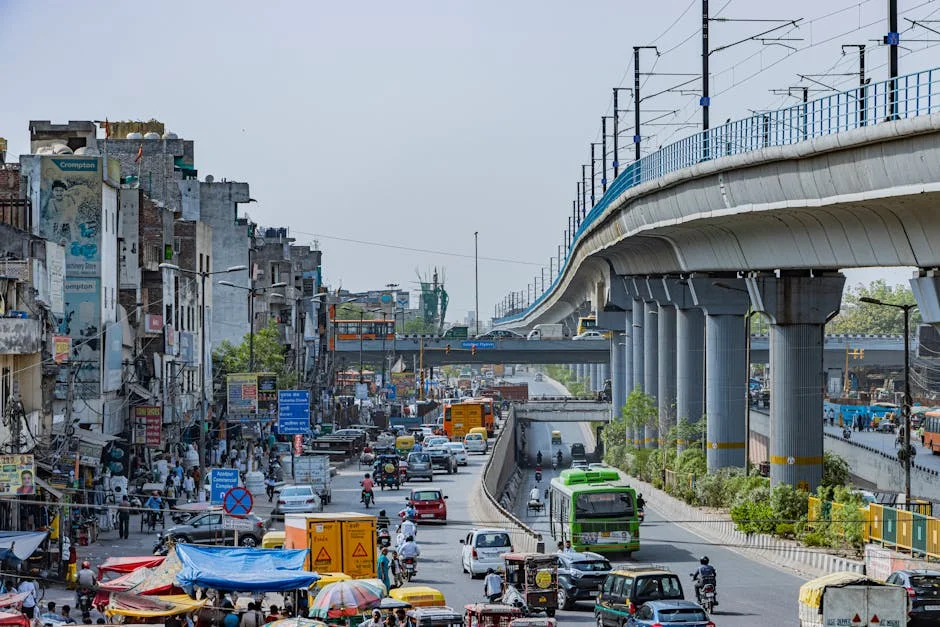
The Nigerian National Petroleum Company Limited (NNPC) announced significant petrol price cuts of N100 in Lagos and N95 in Abuja on Monday, a move aimed at alleviating the financial burden on citizens amidst ongoing economic challenges.
Immediate Financial Relief for Drivers and Commuters
The NNPC's decision comes at a crucial time when many citizens have been grappling with rising fuel prices that have adversely affected daily commuting costs. In a city like Lagos, where public transport relies heavily on petrol, this price reduction is expected to provide much-needed relief for thousands of commuters.
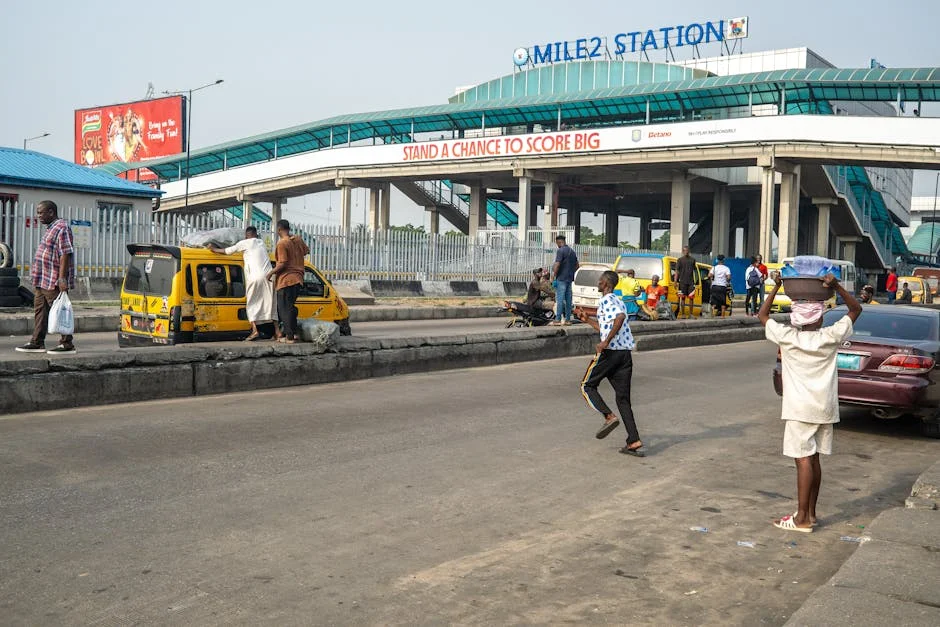
Local drivers expressed relief following the announcement, stating that the reduced petrol prices could lead to lower transport fares. With petrol prices previously soaring, many were forced to reconsider daily travel plans, impacting not only their mobility but also their work and social engagements.
Impact on Local Businesses and Economy
The cut in petrol prices is anticipated to have a ripple effect on Lagos's local economy. As transport costs decrease, businesses that rely on delivery services may also benefit from reduced operational expenses, potentially leading to lower prices for consumers on goods and services.
Economist Dr. Chijioke Amadi noted that this price adjustment could invigorate economic activities in Lagos, which has been hampered by high fuel costs. “Lower petrol prices could translate to increased consumer spending, which is vital for the city’s economy,” he added.
Community Responses and Concerns
While many welcomed the NNPC's announcement, some citizens remain cautious. “It’s a good step, but we hope this isn’t just temporary,” said Lagos resident Jane Obinna. “Fuel prices have fluctuated so much in the past; it’s hard to trust that this will last.”
Community leaders are urging the NNPC to ensure consistent pricing practices, as volatility in fuel costs can lead to broader economic instability. Local advocacy groups are also calling for transparency in how fuel prices are determined, advocating for more accountability from the NNPC.
What’s Next for Fuel Pricing in Nigeria?
The NNPC's recent price cuts may set a precedent for future fuel pricing in Nigeria, particularly in major urban areas like Abuja and Lagos. Analysts are watching closely to see if this trend continues, especially given the ongoing discussions about fuel subsidies and their impact on the Nigerian economy.
Citizens are advised to remain vigilant regarding potential changes in fuel pricing in the coming weeks. As the Nigerian government navigates the complexities of fuel supply and pricing, residents are hopeful for a more stable and transparent market that can sustain these recent cuts.
Conclusion: A Step Towards Economic Recovery?
The NNPC's petrol price reduction in Lagos and Abuja could be a pivotal moment for citizens navigating the challenges of daily life in Nigeria. If sustained, these cuts could contribute to easing the financial strain on households while stimulating local economic activity.
As communities adapt to these changes, ongoing dialogue between the government, businesses, and citizens will be vital in ensuring that such measures lead to lasting benefits for all.