The price of LPG cylinders has surged across major Indian cities such as Delhi, Mumbai, Kolkata, and Bengaluru, impacting the daily lives of millions of citizens. The rise in prices is partly attributed to global factors including geopolitical tensions between Iran and Israel.
LPG Cylinder Prices Soar in Major Cities
The cost of LPG cylinders has increased significantly in India's largest urban centres, with residents in Delhi, Mumbai, Kolkata, and Bengaluru noticing a notable rise in their energy bills. This increase is felt most acutely by families and small businesses that rely heavily on LPG for cooking and heating.
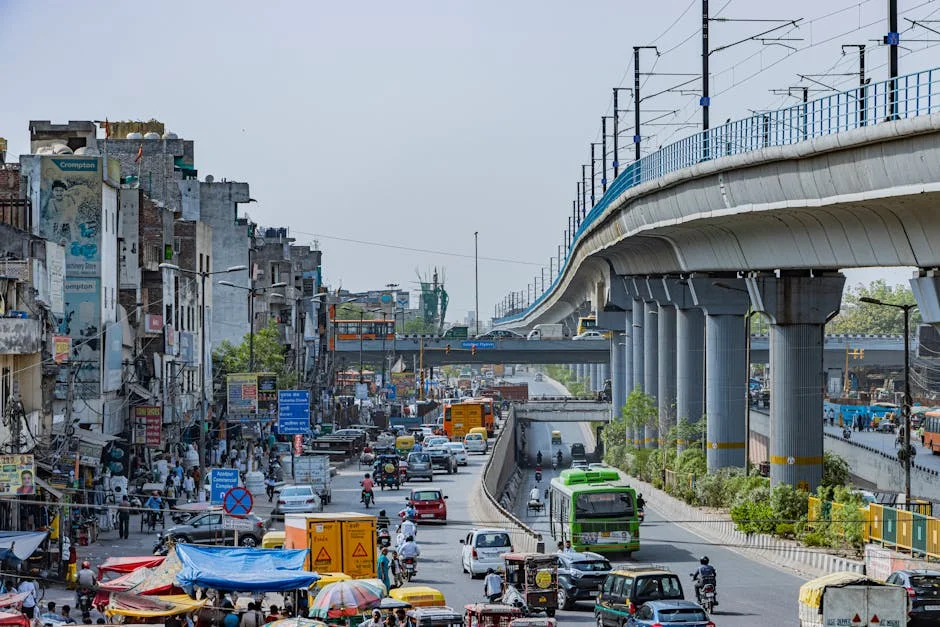
In Delhi, the average cost of an LPG cylinder has risen to ₹800, up from ₹750 just last month. Similarly, in Mumbai, the price has climbed to ₹820, while in Kolkata, it now stands at ₹810. Bengaluru has seen its prices go up to ₹830 per cylinder. These increases mean that households will have less disposable income for other essentials.
Global Factors Impacting Local Prices
The recent spike in LPG prices can be linked to several global events, notably the ongoing tensions between Iran and Israel. As a major exporter of LPG, Iran's stability plays a crucial role in the global supply chain. Any disruption in Iran's production or shipping routes can cause prices to fluctuate sharply.
Moreover, the weakening of the Indian Rupee against the US Dollar has also contributed to the rise in LPG prices. This makes imported goods, including LPG, more expensive for consumers in India.
Economic Impact on Daily Life
The increase in LPG prices has a direct impact on the daily lives of citizens in these cities. Families are finding it necessary to adjust their budgets, often cutting back on non-essential expenses to cover the higher cost of fuel. Small businesses, especially those in the food service industry, are facing increased operational costs, which may lead to higher prices for customers.
For many households, LPG is not just a luxury but a necessity, particularly in areas where electricity supply is unreliable. Therefore, any rise in its price is keenly felt and can affect the overall standard of living.
Community Response and Adaptation
Citizens in Delhi, Mumbai, Kolkata, and Bengaluru have responded to the rising LPG prices in various ways. Some have started using alternative fuels such as kerosene or wood for cooking, while others have opted to buy LPG in bulk to benefit from lower per-unit prices. Community groups have also organised to pool resources and purchase cylinders together, sharing the cost burden among members.
In addition, there has been an increase in demand for energy-efficient appliances that use less fuel, as consumers look for ways to reduce their overall energy consumption and save money.
Looking Ahead: What to Watch Next
As global events continue to unfold, particularly concerning Iran's oil and gas production, the prices of LPG in Indian cities could see further fluctuations. Citizens should keep an eye on currency exchange rates and international news for clues about future price trends. Additionally, local authorities may introduce measures to help ease the financial strain on households, such as subsidies or tax breaks for essential goods.
The impact of rising LPG prices extends beyond just the cost of cooking; it influences everything from grocery shopping habits to the types of jobs available in the market. As such, the economic ripple effects will likely be felt for some time to come.