Eid Mubarak celebrations across India brought joy and unity to families and communities, offering a moment of respite from ongoing regional tensions and conflicts. As the country observed the festival marking the end of Ramadan, the festive atmosphere provided a welcome distraction for many who have been affected by recent geopolitical events.
Eid Traditions and Customs Light Up Homes Across India
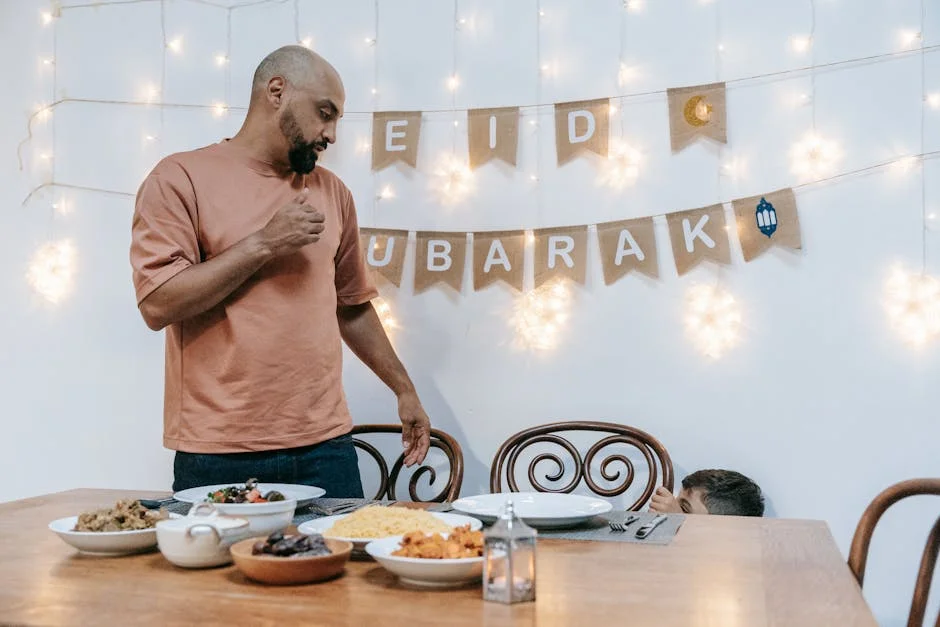
This year, Eid Mubarak was celebrated with great enthusiasm as Muslims across India gathered to share meals, exchange gifts, and visit with friends and family. The streets were adorned with lights and decorations, and mosques echoed with the sounds of prayer and celebration. In cities like Delhi and Mumbai, special prayers were held, and people took time off work to spend quality time with their loved ones. For many, these traditions serve as a reminder of the rich cultural heritage and deep connections within their communities.
Regional Conflicts Cast Shadow Over Festive Spirit
Despite the joyous occasion, the shadow of regional conflicts loomed over some areas. Families living near conflict zones found it difficult to fully immerse themselves in the festivities, with concerns about safety and well-being never far from their minds. However, the communal spirit of Eid helped to uplift spirits and provide a sense of normalcy amidst the turmoil. Community leaders worked tirelessly to ensure that everyone had access to the basic necessities of the holiday, such as food and clothing, and organised special events to bring people together.
Economic Impact of Eid Mubarak on Local Markets
The economic impact of Eid Mubarak was evident in bustling markets and shops, which saw an influx of customers seeking traditional clothing, sweets, and other festive items. Small business owners reported higher sales during the days leading up to the holiday, providing a much-needed boost to the local economy. Additionally, the increased demand for food and other essentials contributed to job creation in sectors such as hospitality and retail, benefiting the wider community.
Social Impact on Communities During the Festival
Eid Mubarak not only brought families closer but also strengthened social bonds within communities. Neighbours and friends came together to prepare for the celebrations, sharing stories and laughter while cooking traditional dishes and decorating homes. This sense of togetherness extended beyond immediate circles, with many communities organising group prayers and communal meals to include those who might otherwise feel isolated. The festival served as a powerful reminder of the importance of community support and mutual care, especially during challenging times.
How Regional Politics Influence Eid Celebrations
In recent years, regional politics have played a significant role in shaping the way Eid Mubarak is celebrated. Political leaders often use the occasion to highlight their commitment to inclusivity and diversity, making public appearances at mosques and community centres. This has not only boosted morale among the Muslim population but also fostered a greater understanding and appreciation of the festival among non-Muslims. The political landscape also influences the availability of resources for celebrations, with government funding sometimes allocated to support cultural events and activities.
Looking Ahead: What’s Next for Eid Mubarak in India?
As the festive season comes to a close, many are already looking forward to next year's celebrations. Community organisations and local governments are planning ahead, aiming to make future Eid Mubarak events even more memorable and inclusive. With continued efforts to address regional conflicts and improve economic conditions, there is hope that the coming years will see even greater joy and unity during this cherished holiday. For now, the memories of shared laughter, delicious food, and warm embraces will linger, bringing comfort and happiness to all who celebrated Eid Mubarak in India this year.