Tehran Shaken by War's Impact After Two Weeks of Conflict
Tehran Residents Face Daily Challenges
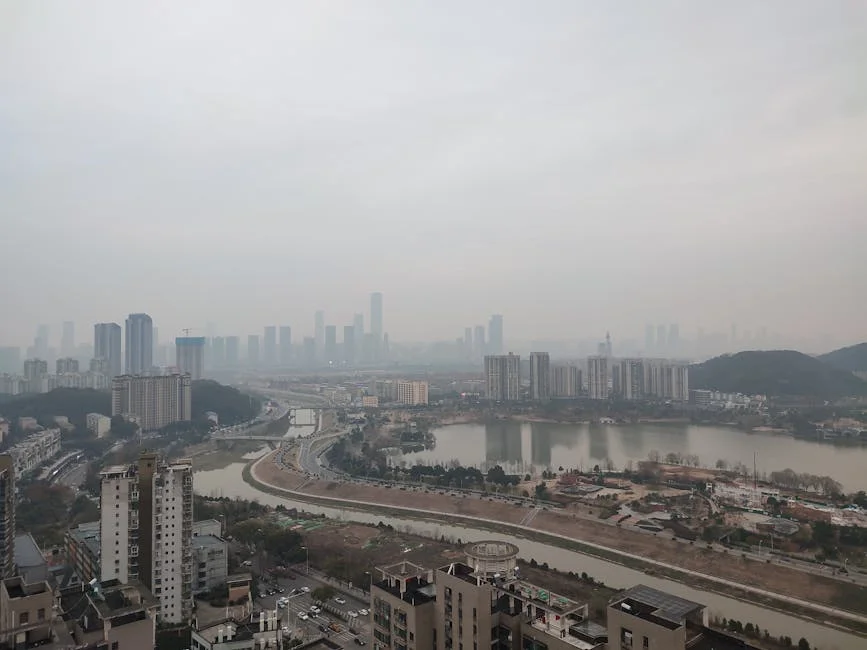
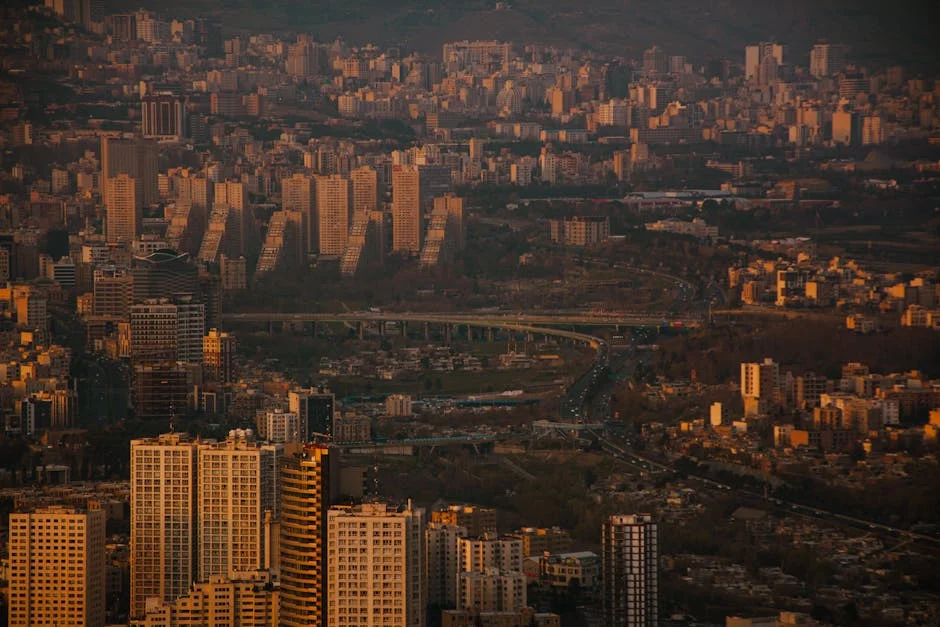
The citizens of Tehran have faced significant disruptions to their daily lives as the ongoing conflict between Iran and Israel enters its second week. Since the start of the war, Tehran has experienced multiple explosions, which have not only shaken the city but also caused power outages and disrupted transportation networks. The constant threat of further attacks has led many residents to stay indoors during evening hours, altering their usual routines and social activities.
Economic Strain on Local Businesses
Local businesses in Tehran have reported a decline in customer traffic since the onset of the conflict. Retailers, restaurants, and service providers have seen reduced sales, as people prioritise essential goods and services over non-essential spending. This economic downturn is particularly challenging for small business owners who operate on thin margins and rely heavily on foot traffic. In addition, supply chain disruptions due to border closures and transportation delays have made it harder for businesses to restock inventory, leading to shortages of certain goods.
Social Impact on Community Life
The social fabric of Tehran’s communities has been affected by the war, with families and friends adjusting their plans and gatherings to accommodate safety concerns. Schools have implemented new security measures, such as increased surveillance and emergency drills, to ensure the safety of students. Cultural events and public celebrations have been either postponed or held in smaller venues to minimise risk. Despite these challenges, the spirit of resilience remains strong among Tehran’s residents, who continue to support one another through community initiatives and local solidarity.
Israel’s Strategic Moves and Their Effects
Over the past two weeks, Israel has launched several strikes against targets within Iran, including military bases and research facilities. These actions have aimed to weaken Iran’s military capabilities and disrupt its technological advancements. The strikes have had both direct and indirect effects on the Iranian population. Directly, they have caused physical damage to infrastructure and resulted in casualties. Indirectly, they have contributed to an atmosphere of uncertainty and anxiety among Tehran residents, who closely follow the news of the conflict and its potential impacts on their lives.
US Aircraft Crash Adds Complexity
The recent crash of a US military aircraft near the Iran-Iraq border added another layer of complexity to the ongoing conflict. Although the incident did not immediately affect Tehran, it highlighted the interconnectedness of the region and the potential for further escalation. The crash raised questions about the strategic positioning of US forces and their involvement in the conflict. For Tehran residents, the crash served as a reminder of the global nature of the conflict and the importance of maintaining international stability.
Looking Ahead: What Lies in Store?
As the war continues into its third week, Tehran residents remain vigilant and hopeful for a swift resolution to the conflict. Local leaders and community organisers are working to provide support and resources to those affected by the explosions and other disruptions. While the immediate future holds some uncertainty, the resilience of the Tehran community is evident in their continued efforts to maintain normalcy and support one another through this challenging time.