The International Energy Agency (IEA) has announced the release of 400 million barrels of oil from its strategic reserves, in an effort to stabilise global energy markets amid escalating tensions between Iran, Israel, and other Middle Eastern nations.
Iranian Disputes Intensify
The decision by the IEA comes at a critical time, as disputes between Iran and Israel continue to escalate. These tensions have raised concerns about potential disruptions to oil supplies through the vital Strait of Hormuz, which is crucial for global energy trade.
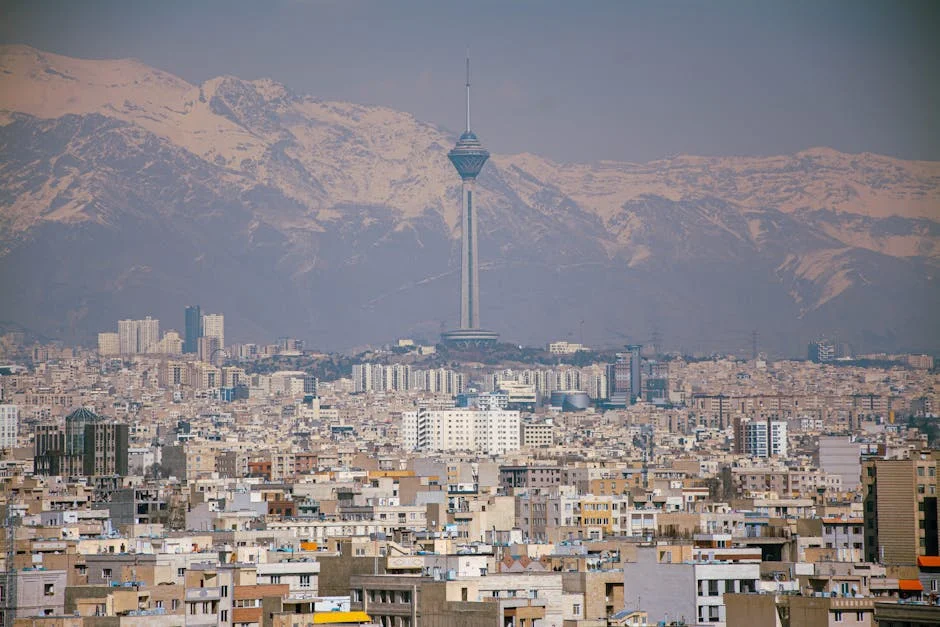
Iran's recent actions, including its aggressive stance towards Israel and other regional powers, have created uncertainty in the market. The IEA’s move to release oil stocks aims to mitigate any supply shortages that could arise if the situation in the Middle East worsens.
Strait of Hormuz Vitality
The Strait of Hormuz, located between Oman and Iran, is one of the world's most important chokepoints for oil transportation. Approximately 20% of the world’s oil passes through this narrow waterway every day, making it essential for global energy security.
Any disruption to the flow of oil through the Strait of Hormuz would have far-reaching consequences for the global economy, affecting not just the Middle East but also countries around the world, including India.
India’s Dependence on Middle Eastern Oil
India is one of the largest importers of oil from the Middle East, with approximately 80% of its crude oil needs met by the region. This makes the country particularly vulnerable to fluctuations in the global oil market caused by Middle Eastern tensions.
The release of 400 million barrels of oil by the IEA will help to ease concerns over potential supply shortages, providing some stability for the global market and benefiting Indian consumers and industries.
Economic Impact on Citizens and Communities
The release of oil stocks by the IEA is expected to have a positive impact on the daily lives of people in India. With more stable oil prices, the cost of fuel for transportation and heating may decrease, potentially leading to lower prices for goods and services across the board.
In addition, the availability of affordable energy can support local businesses and industries, contributing to job creation and economic growth in communities throughout India.
Regional Stability and Future Outlook
While the IEA’s action helps to stabilise the global energy market in the short term, the ongoing tensions in the Middle East remain a concern. Continued diplomatic efforts and peaceful resolution of conflicts will be crucial for maintaining long-term stability and ensuring a steady flow of oil to global markets.
As the situation in the Middle East continues to evolve, citizens and communities in India and around the world will be watching closely to see how these developments impact their daily lives and economic well-being.