Drones Spread Fear in Tehran as Airstrikes Shake Beirut - What It Means for Regional Stability
Drones Spread Fear in Tehran
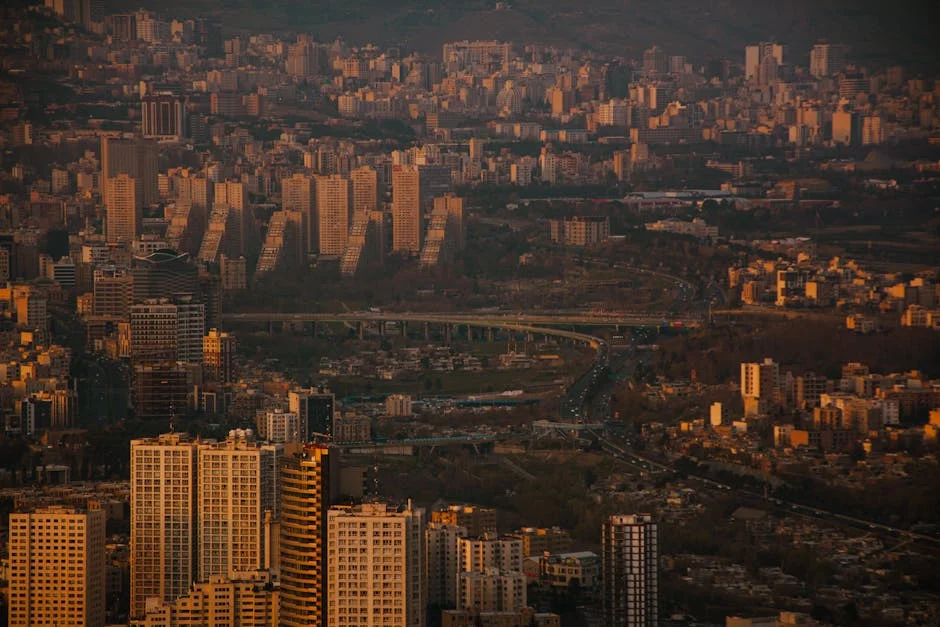
The buzzing sound of drones filled the air over Tehran on Monday, sending shockwaves through the city's residents. The unmanned aircraft, believed to be Israeli-made, were spotted flying near key military and industrial sites, causing widespread concern among Iranian citizens.
While no immediate damage was reported, the sight of foreign drones in the skies above the capital was a stark reminder of the ongoing tensions between Iran and its neighbours. The incident comes just days after a series of airstrikes hit Beirut, further destabilising the already fragile region.
Airstrikes Shake Beirut
On Sunday, a series of powerful explosions rocked the Lebanese capital, Beirut, leaving buildings damaged and residents in a state of panic. The blasts, which targeted areas close to military installations, were attributed to Israeli forces by local officials.
The attacks caused significant disruption to daily life in Beirut, with many businesses closing temporarily and public transport services disrupted. Families huddled together in shelters, seeking safety from the unexpected violence.
Regional Impact on Daily Life
The recent events in Tehran and Beirut have had a profound impact on the daily lives of citizens across the region. In Tehran, people have been staying indoors more often, avoiding crowded areas, and keeping an eye on the skies for any signs of further aerial activity.
In Beirut, the aftermath of the airstrikes has left many without electricity and running water, adding to the existing hardships faced by the Lebanese population. Schools and offices have been forced to delay their reopening, impacting both students and workers.
Economic Effects on Local Communities
The economic repercussions of these events have been felt acutely by local communities. In Tehran, businesses that rely on tourism and trade have seen a dip in visitors and customers, as uncertainty about the security situation deters potential visitors.
Beirut’s economy, which was already struggling due to years of political instability and financial crisis, has suffered another blow. Local traders report a drop in sales as people prioritise essentials over non-essential goods. The Lebanese pound has also experienced further devaluation against other currencies.
Social Impact and Community Response
The social fabric of both cities has been tested by these recent events. In Tehran, families have come together to support one another, sharing resources and offering shelter. Neighbours have formed informal watch groups to keep an eye out for any unusual activity.
In Beirut, community leaders have organised relief efforts, distributing food and supplies to those most affected by the bombings. Volunteers have stepped up to help repair damaged homes and clear debris from the streets, showing remarkable resilience in the face of adversity.
Looking Ahead
The incidents in Tehran and Beirut have underscored the delicate balance of power in the Middle East and highlighted the potential for further conflict. As citizens and communities continue to adapt to these challenges, they will look to their governments for stability and protection.
For now, the focus remains on ensuring safety and restoring normalcy to daily life. The international community watches closely, ready to respond to any further developments in this volatile region.