The global south has condemned the recent discussions between the United States and Israel regarding potential military actions against Iran, citing imperialist undertones that could destabilise the entire Middle East region. The move has drawn sharp criticism from countries such as China and other allies in the global south, who fear the repercussions on regional stability and economic growth.
Global South Condemns US-Israeli Military Posture
The global south, comprising mainly developing nations in Africa, Asia, and Latin America, has expressed its deep concern over the escalating tensions between the US and Israel and Iran. The condemnation stems from the perceived imperialist intentions behind the discussions, which they believe could have catastrophic consequences for regional stability.
China, a significant player in the global south, has been particularly vocal, issuing statements that highlight the need for peaceful resolution through dialogue rather than military intervention. Other nations, including Brazil, South Africa, and India, have echoed similar sentiments, emphasising the importance of diplomacy and international law.
Economic Impact on Citizens and Communities
The potential for a military conflict between the US, Israel, and Iran poses significant economic risks for citizens and communities in the global south. A prolonged conflict could disrupt oil supplies and increase fuel prices, leading to higher costs of living and reduced purchasing power for consumers. This is especially critical for countries heavily reliant on imported oil, such as India and China.
Furthermore, the economic uncertainty resulting from geopolitical tensions can deter foreign investment and slow down economic growth in the region. Small businesses and farmers may face increased difficulties in accessing credit and markets, exacerbating existing socio-economic challenges.
Social Impact and Community Response
The social impact of a potential conflict is also profound. In regions where there are already fragile peace agreements or ongoing conflicts, a new military engagement could trigger further unrest and violence. This could lead to an influx of refugees and internally displaced persons, placing additional strain on already stretched resources and infrastructure.
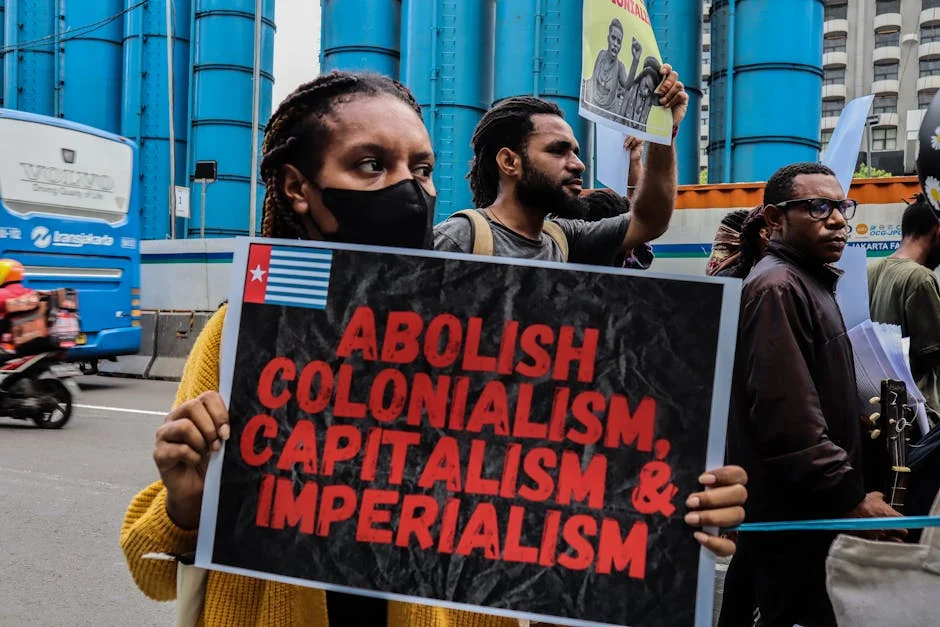
In response to these concerns, civil society organisations and community leaders across the global south are advocating for peace and urging their governments to engage in diplomatic efforts. Public demonstrations and online campaigns are calling for a cessation of hostilities and a return to dialogue-based resolutions.
Regional Stability and International Law
The discussions between the US and Israel raise serious questions about regional stability and adherence to international law. Critics argue that unilateral military actions could undermine the sovereignty of nations and violate principles of non-intervention and self-determination.
International organisations, including the United Nations, have called for restraint and dialogue, emphasising the importance of upholding international norms and protecting human rights. Diplomatic channels remain open, but the risk of escalation remains high, prompting continued vigilance from the global community.
Consequences and Future Outlook
The global south's condemnation of the US-Israeli stance underscores the complex interplay between geopolitics and domestic interests. As tensions continue to rise, the focus will likely shift towards finding diplomatic solutions that address the underlying issues while minimising harm to civilians and economies.
For citizens and communities in affected regions, the coming months will be crucial. Economic resilience and social cohesion will be tested as they navigate the uncertainties of a potentially volatile geopolitical landscape. The international community will need to work together to ensure that any resolution respects the rights and needs of all parties involved.