Khalifa Haftar, the commander of the Libyan National Army (LNA), has emerged as a powerful force in Libya’s fragmented political landscape, despite not holding any official government position. His military operations and strategic alliances have shaped the country's recent history, leaving many citizens and communities struggling under his shadow.
The Rise of Haftar
Since 2014, Khalifa Haftar has been building his power base in eastern Libya, where he commands the LNA. Initially seen as a stabilising force against Islamist militias, Haftar’s ambitions have grown beyond military control. In April 2019, he launched an offensive to capture Tripoli from the Government of National Accord (GNA). This move plunged the country into further chaos, exacerbating the humanitarian crisis and deepening divisions within Libya.
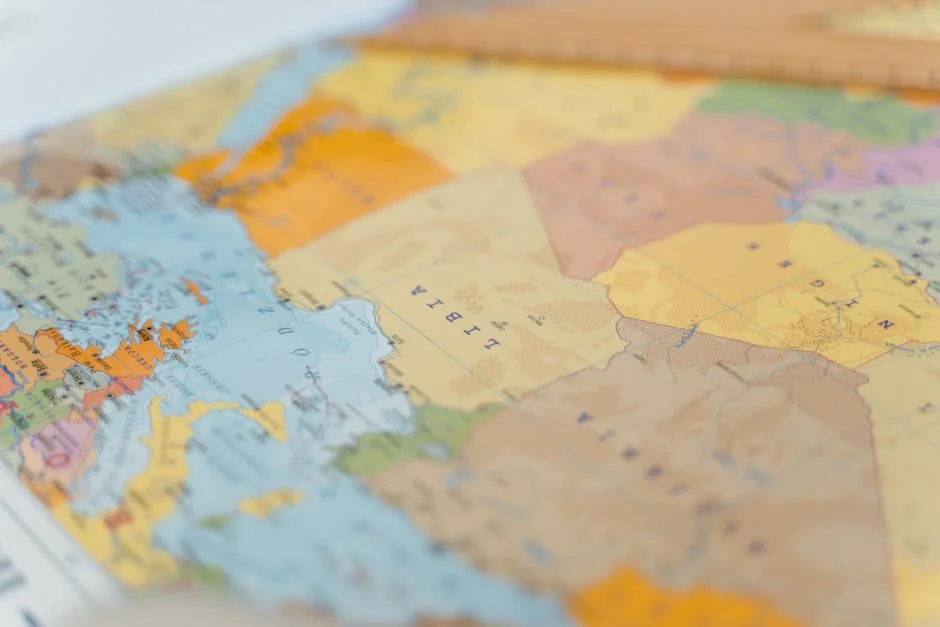
The international community, including European nations and the United States, has expressed concern over Haftar’s actions. However, the complex web of alliances and support he has cultivated, including backing from Russia and Egypt, complicates efforts to curb his influence.
The Human Cost
The ongoing conflict has had devastating effects on Libya’s citizens. Civilians have faced shortages of basic necessities, displacement, and the threat of violence. According to the United Nations, over 1 million people have been internally displaced due to the fighting, with many more living in precarious conditions. The situation is particularly dire in areas under Haftar’s control, where access to healthcare and education is severely limited.
In addition to the physical toll, the psychological impact cannot be ignored. Children growing up amidst constant conflict face long-term trauma that could shape the future of the nation. The International Rescue Committee reports that mental health services are woefully inadequate, leaving many in need of support without access to it.
Economic Strain
Haftar’s grip on Libya also affects the country’s economy. He controls significant oil fields and ports, which he uses as leverage in negotiations with the international community. This control disrupts the flow of oil revenues, essential for Libya’s economic stability. The World Bank estimates that Libya’s GDP contracted by nearly 8% in 2020 due to the prolonged conflict and instability.
The economic downturn has led to widespread unemployment and inflation, pushing many Libyans into poverty. Small businesses, already struggling to survive, face additional challenges as supply chains are disrupted and consumer spending drops.
International Response and Alliances
The international community, particularly European nations concerned about migration flows and security, has taken notice of Haftar’s influence. Countries like Italy and Greece have maintained diplomatic channels with Haftar, viewing him as a potential partner in managing migration from Libya to Europe.
However, this approach has drawn criticism from human rights organisations and other European countries. Critics argue that engaging with Haftar legitimises his actions and prolongs the suffering of Libyan citizens. The European Union has called for a unified stance against external interference in Libya’s affairs, but reaching consensus remains challenging.
The Path Forward
As the conflict continues, the situation in Libya remains fragile. The UN-led peace process aims to bring together rival factions and establish a unified government. However, progress has been slow, and Haftar’s refusal to participate fully in these talks poses a significant obstacle.
Local communities and civil society groups are increasingly taking matters into their own hands, advocating for peace and rebuilding their lives amidst the chaos. Grassroots initiatives focus on providing essential services, promoting reconciliation, and fostering dialogue between different groups.
Ultimately, addressing the root causes of the conflict, including economic disparities and political fragmentation, will be crucial for achieving lasting stability. International support for these efforts can help create a foundation for sustainable peace and development in Libya.