Somalia's government has unveiled a new constitution that will allow for directly elected lawmakers, marking a significant shift in the country's political landscape. This landmark decision, announced on 15 October 2023, aims to enhance democratic representation in a nation long plagued by instability and factionalism.
Transforming Political Representation in Somalia
The new constitution introduces a framework for direct elections for members of parliament, which is expected to empower citizens and increase political engagement across the country. Currently, lawmakers are chosen through a convoluted system involving clan delegates, a method that has often led to corruption and lack of accountability. This reform seeks to rectify those issues and restore faith in the electoral process.
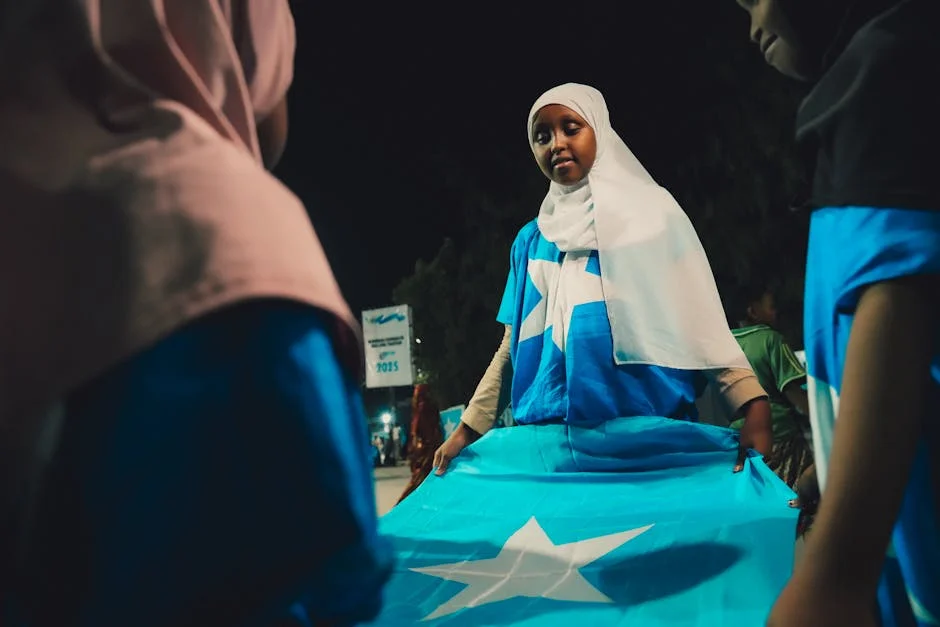
Local Impact: A New Era for Communities
For many Somali citizens, the change signifies a chance for their voices to be heard in the corridors of power. Local community leaders have expressed optimism that direct elections will finally allow constituents to hold their representatives accountable, leading to improved governance and services. Ahmed Ali, a community activist in Mogadishu, stated, "This is a historic moment for us. We have waited for so long to have our say in who represents us. It gives us hope for a better future."
Challenges Ahead: Building a Functional Democracy
While the new constitutional framework is a step forward, many citizens remain cautious about its implementation. Somalia faces significant challenges, including ongoing insecurity from militant groups and entrenched political rivalries. As the country gears up for elections, community groups are calling for peace and stability to ensure a fair electoral process. The International Crisis Group warns that without adequate security measures, the elections could exacerbate existing tensions.
Economic Implications: Boosting Local Economies
The introduction of a more democratic political system is expected to have positive repercussions for Somalia's local economies. With representatives elected by the populace, there is hope that policies will be more aligned with the needs of ordinary citizens. Economic experts believe that better governance could attract foreign investment, which is crucial for rebuilding the war-torn nation. Ibrahim Mohamed, an economist based in Hargeisa, noted, "Direct elections can lead to more responsible spending of public funds and create an environment conducive to investment, benefiting everyone at the local level."
A Community United: Responding to the New Constitution
The announcement has sparked a wave of discussions and debates across Somalia, with community forums popping up to engage citizens in conversations about their expectations for the future. Local NGOs are mobilising efforts to educate voters about the new electoral process, ensuring that everyone understands their rights and responsibilities. This grassroots engagement is vital to fostering a culture of civic participation, which has been historically absent in Somalia.
The success of the new constitution ultimately depends on the commitment of both the government and its citizens to uphold democratic principles. As Somalia stands on the brink of a new political chapter, all eyes will be on how these changes manifest in the daily lives of its people.