The UK government has announced a halt to issuing study visas for citizens of Cameroon and Sudan, effective immediately. This decision comes in light of ongoing political instability and security concerns in both nations, raising significant questions about the impact on students and educational opportunities.
Impact on Educational Aspirations in Cameroon
The UK’s new policy will directly affect Cameroonian students who aspire to study abroad, especially in reputable British institutions. According to the British High Commission, the decision was made to mitigate risks associated with the ongoing unrest in the region. Many students had planned to pursue higher education in the UK, a destination known for its quality education.
Community Response to Visa Ban
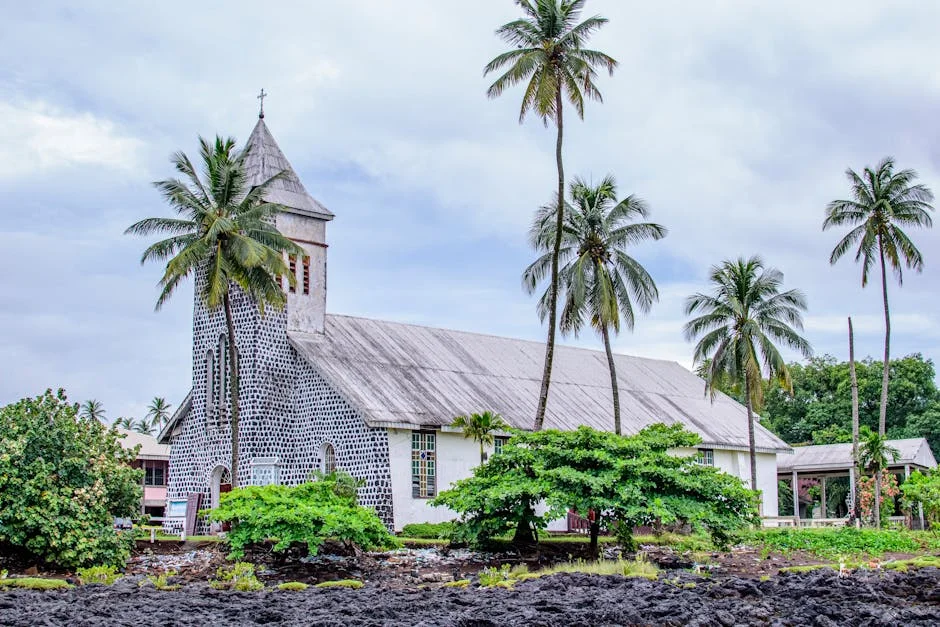
Local communities in Cameroon have reacted with disappointment and frustration. Many families had invested significant resources in preparing for their children’s education overseas. This visa ban not only stalls their academic pursuits but also impacts the local economy, as students often contribute to various sectors through their spending and engagement in community activities.
Repercussions for the Local Economy
The suspension of study visas could lead to a downturn in the local economy, particularly in urban areas where educational consultancy firms thrive. Businesses that cater to students preparing for overseas education, including language schools and accommodation services, are expected to suffer a decline in revenue. This disruption comes at a time when many families are already facing economic challenges due to inflation and unemployment.
The Broader Context: Why This Matters
This visa policy is part of a broader narrative regarding international relations and educational exchanges. The UK’s decision reflects a growing trend among countries to reconsider their immigration policies in response to global security issues. For citizens in Cameroon, this signals a tightening of opportunities that could otherwise foster development and exchange of ideas through education.
Future Developments to Watch
As this situation unfolds, it will be crucial for stakeholders in Cameroon to explore alternative avenues for education abroad, perhaps looking to other countries that still welcome students from the region. Additionally, community leaders and educational advocates may begin to push for policy discussions aimed at addressing the root causes of instability, hoping to reverse the UK’s decision in the future. The implications of this visa ban extend beyond education; they touch on the aspirations and future potential of an entire generation.