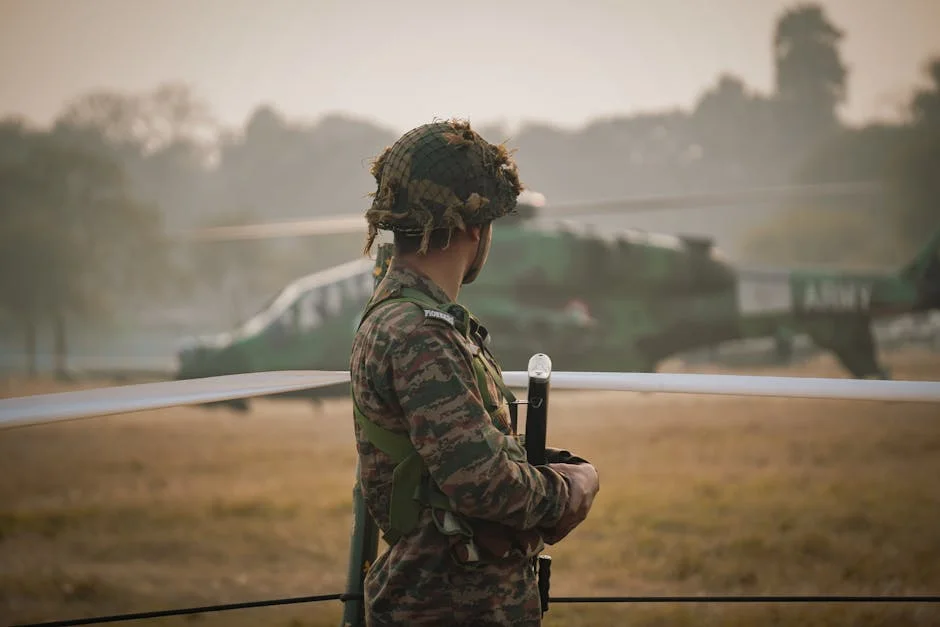
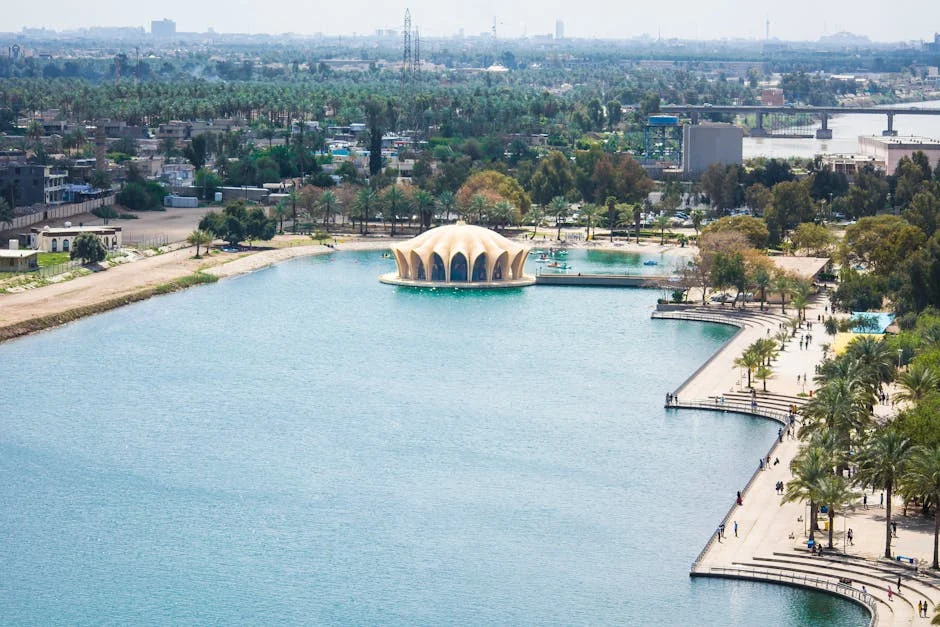
In a significant escalation of regional tensions, the United Arab Emirates (UAE) and Qatar reported successful interceptions of drone and missile attacks on Tuesday, further intensifying concerns over the ongoing conflict in the Middle East. This situation not only threatens military infrastructure but also poses substantial risks to civilian safety and local economies.
Details of the Interceptions: A Regional Response
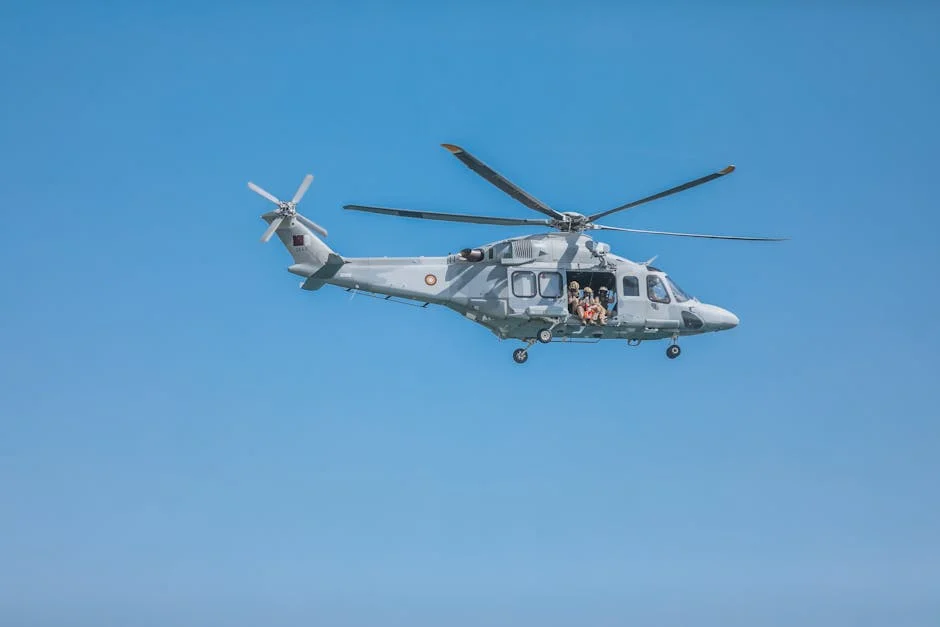
The UAE Ministry of Defence announced that it had intercepted a series of drones aimed at its territory, claiming that these attacks originated from a hostile group in the region. Similarly, Qatar's air force confirmed the interception of missile barrages, emphasising its commitment to safeguarding its airspace. The incidents occurred against a backdrop of heightened military activity, as tensions flare in various parts of the Middle East.
Impacts on Daily Life for Citizens
The ramifications of these military encounters are felt acutely by citizens in both the UAE and Qatar. Residents are increasingly anxious about their safety, as the sound of alarms and the sight of military aircraft have become more frequent in the skies. Local businesses that rely on tourism are particularly vulnerable; potential visitors may reconsider their plans due to perceived instability in the region.
The Economic Ripple Effect
Both nations have been enjoying a period of economic recovery post-pandemic, with tourism and trade playing crucial roles in their growth. However, the escalation of hostilities could deter investment and disrupt supply chains, affecting jobs and livelihoods. The UAE and Qatar's economies are intertwined with broader Middle Eastern stability, making the consequences of these military actions significant not just locally, but for the entire region.
Community Responses: Resilience and Solidarity
In light of these developments, communities have begun organising to ensure the safety and well-being of their members. Local leaders are urging citizens to remain vigilant while fostering a spirit of unity. Community centres are offering resources and information to help residents prepare for emergencies, while social media campaigns are being launched to reassure people and counteract panic.
Looking Ahead: What to Watch For
The situation remains fluid, with potential for further military action and retaliatory strikes. Observers are closely monitoring international responses, especially from powers that have vested interests in Middle Eastern stability. Citizens should stay informed about safety protocols and government advisories, as the conflict's outcome could significantly impact their daily lives and the regional economy.