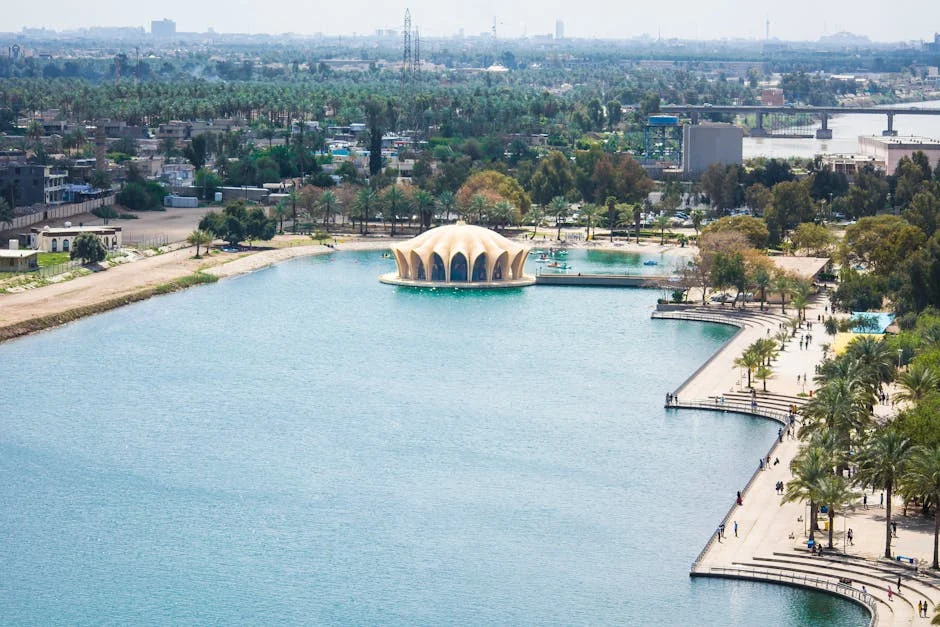
UAE markets reopened on Monday after a two-day shutdown, only to witness a sharp decline in stock prices as tensions from the ongoing Iran conflict sent ripples through investor confidence. In Dubai and Abu Dhabi, stocks tumbled, reflecting the growing apprehension surrounding the regional instability and its potential consequences for the local economy.
Stock Market Reaction: A Direct Hit to Investments
The Dubai Financial Market Index dropped by more than 3% while the Abu Dhabi Securities Exchange saw a decline of over 2% during the first hours of trading. The downturn follows a two-day closure that had left many investors on edge, unsure how the escalating situation in Iran would impact their portfolios. Analysts noted that investor sentiment was frazzled by fears of escalating conflict, leading to a sell-off across various sectors.
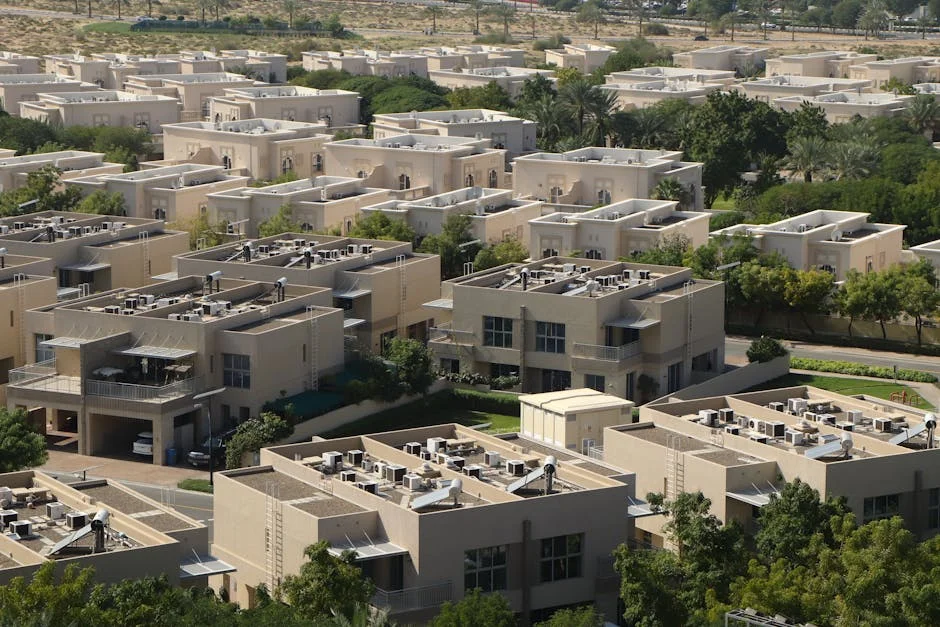
Local Economy Faces Uncertainty Amid Regional Tensions
The sudden plunge in stock prices raises critical questions about the stability of the local economy. Many small and medium-sized enterprises (SMEs) in Dubai and Abu Dhabi rely heavily on a stable investment climate to thrive. A shaky market could hinder access to capital, affecting job creation and local development projects.
“This situation is concerning for local businesses that depend on stock performance for funding,” said Ali Khan, a financial analyst based in Dubai. “If the markets remain volatile, it could lead to layoffs and reduced consumer spending, which directly impacts our communities.”
Community Response: Concerns Over Daily Life
Residents in both cities are already beginning to feel the effects of this market downturn. As investors pull back, businesses are preparing for a possible slowdown in consumer spending. Local shops and service providers are bracing for lower foot traffic, which could affect their daily operations.
“I’m worried that if the stocks keep falling, people will hold back on spending, and that will hurt my café,” shared Fatima, a small business owner in Dubai. “It’s a chain reaction that affects everyone in the community.”
Broader Implications: The Ripple Effect on Citizens
The ramifications of the stock market decline extend beyond immediate financial losses. As tensions rise in the region, the societal fabric of both Dubai and Abu Dhabi may be tested. Concerns over job security, economic opportunities, and the potential for increased costs of living are looming large.
Local governments have begun to monitor the situation closely, considering interventions to support businesses and maintain consumer confidence. While there are no immediate measures announced, stakeholders are advocating for a proactive approach to mitigate the downturn’s impact on citizens.
What’s Next? Keeping an Eye on Developments
As the situation continues to evolve, residents are advised to stay informed about market developments and government responses. With the potential for further escalations in the Iran conflict affecting the UAE’s economy, it’s crucial for citizens to understand how these changes could impact their livelihoods and daily lives.
In the coming weeks, investors and community members alike will be watching closely for signs of recovery or further decline in the markets. The hope is that local economies can withstand this shock and emerge resilient amid uncertainty.