India's strategic landscape is being reshaped as President Donald Trump strengthens ties with Israel, creating new opportunities and challenges for the subcontinent.
Trump's War Alliance Strengthens Israel's Position
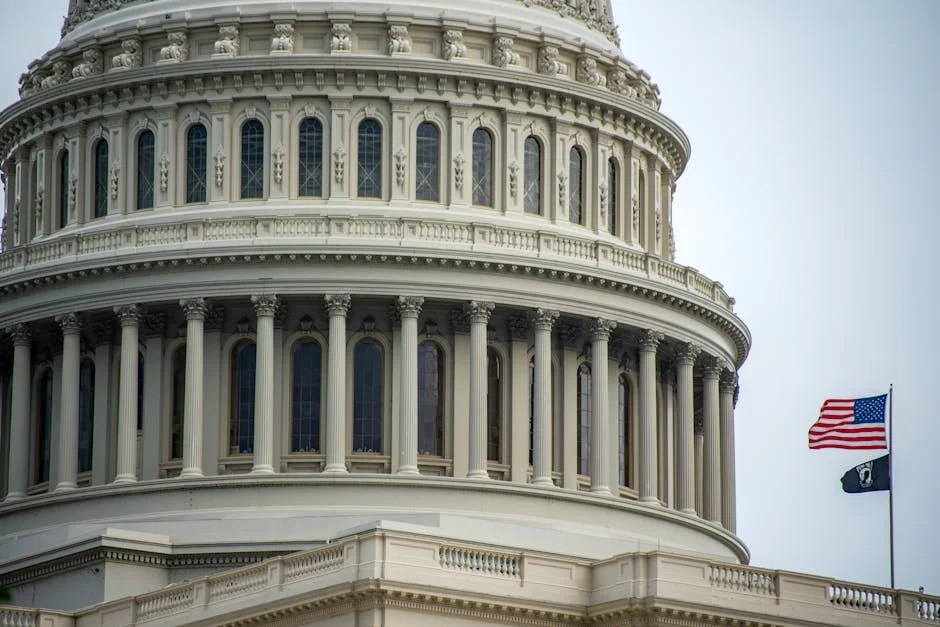
The United States has solidified its alliance with Israel through a series of bold moves under the Trump administration, including recognising Jerusalem as Israel's capital and moving the US embassy there. This decision not only boosted Israel's standing in the region but also sent a clear signal to other countries about the strength of the US-Israel relationship.
In addition to diplomatic recognition, the US has provided military support to Israel, including advanced weaponry and technology. This bolstered Israel's defence capabilities, making it a formidable force in the Middle East.
Impact on Regional Stability and Security
The strengthening of the US-Israel alliance has had a ripple effect across the Middle East, influencing the dynamics between different nations. Countries such as Saudi Arabia and the United Arab Emirates have aligned themselves more closely with both the US and Israel, leading to a shift in traditional alliances.
This realignment has implications for regional stability and security. For example, it has led to improved relations between Israel and some of its neighbours, which could potentially lead to increased trade and cooperation.
Economic Opportunities and Challenges for India
India's economic interests in the Middle East are significant, with millions of Indians working in the Gulf states and substantial investments in the region. The changes brought about by the US-Israel alliance could create new opportunities for Indian businesses and workers, but they also pose risks.
For instance, closer ties between the US, Israel, and some Gulf states might lead to new economic partnerships that could benefit India, such as joint ventures or increased trade. However, it could also result in competition for resources and markets, which could be challenging for Indian companies operating in the region.
Social Impact on Indian Communities AbroadCONTENT:
India's strategic landscape is being reshaped as President Donald Trump strengthens ties with Israel, creating new opportunities and challenges for the subcontinent.
Trump's War Alliance Strengthens Israel's Position
The United States has solidified its alliance with Israel through a series of bold moves under the Trump administration, including recognising Jerusalem as Israel's capital and moving the US embassy there. This decision not only boosted Israel's standing in the region but also sent a clear signal to other countries about the strength of the US-Israel relationship.
In addition to diplomatic recognition, the US has provided military support to Israel, including advanced weaponry and technology. This bolstered Israel's defence capabilities, making it a formidable force in the Middle East.
Impact on Regional Stability and Security
The strengthening of the US-Israel alliance has had a ripple effect across the Middle East, influencing the dynamics between different nations. Countries such as Saudi Arabia and the United Arab Emirates have aligned themselves more closely with both the US and Israel, leading to a shift in traditional alliances.
This realignment has implications for regional stability and security. For example, it has led to improved relations between Israel and some of its neighbours, which could potentially lead to increased trade and cooperation.
Economic Opportunities and Challenges for India
India's economic interests in the Middle East are significant, with millions of Indians working in the Gulf states and substantial investments in the region. The changes brought about by the US-Israel alliance could create new opportunities for Indian businesses and workers, but they also pose risks.
For instance, closer ties between the US, Israel, and some Gulf states might lead to new economic partnerships that could benefit India, such as joint ventures or increased trade. However, it could also result in competition for resources and markets, which could be challenging for Indian companies operating in the region.
Social Impact on Indian Communities Abroad
Indian communities living in the Middle East have seen changes in their daily lives due to the evolving political landscape. Improved relations between Israel and other countries in the region may lead to better living conditions and job prospects for Indians residing there.
However, these changes could also mean that some Indians may face new challenges, such as increased competition for jobs or changes in visa requirements. The social fabric of Indian communities abroad is intricately linked to the broader geopolitical trends in the region, making them sensitive to any shifts in power and alliances.
Community Response in India
The Indian public and policymakers have taken note of the changes in the Middle East and their potential impact on the country. There is a mix of optimism and concern regarding how these developments will affect India's position in the global arena.
Many Indians see the strengthened US-Israel alliance as an opportunity for India to deepen its own relationships with these nations. However, there is also awareness that the changing dynamics could present new challenges, particularly in terms of economic competitiveness and strategic partnerships.