The Trinamool Congress (TMC) has released its list of candidates for the upcoming Bengal Polls, with Chief Minister Mamata Banerjee asserting that her party will secure more than 226 seats in the 294-member state assembly. The announcement, made on Monday, marks a pivotal moment in the electoral campaign, as the region braces for a high-stakes contest that could reshape political dynamics and daily life for millions. The TMC’s strategy hinges on consolidating its base in rural Bengal while countering the Bharatiya Janata Party’s (BJP) growing influence, raising questions about how the outcome will affect local governance, economic policies, and community welfare.
TMC's Strategy and Voter Expectations
The candidate list, which includes seasoned politicians and new faces, underscores the TMC’s focus on key constituencies in West Bengal. Banerjee, addressing a rally in Kolkata, declared, “We will not only retain power but expand our majority.” Her confidence stems from the party’s stronghold in rural areas, where it has historically prioritized land reforms and rural development. However, the BJP’s recent gains in urban centers and its emphasis on national security have intensified competition, forcing the TMC to adopt a dual strategy of grassroots mobilization and digital outreach.
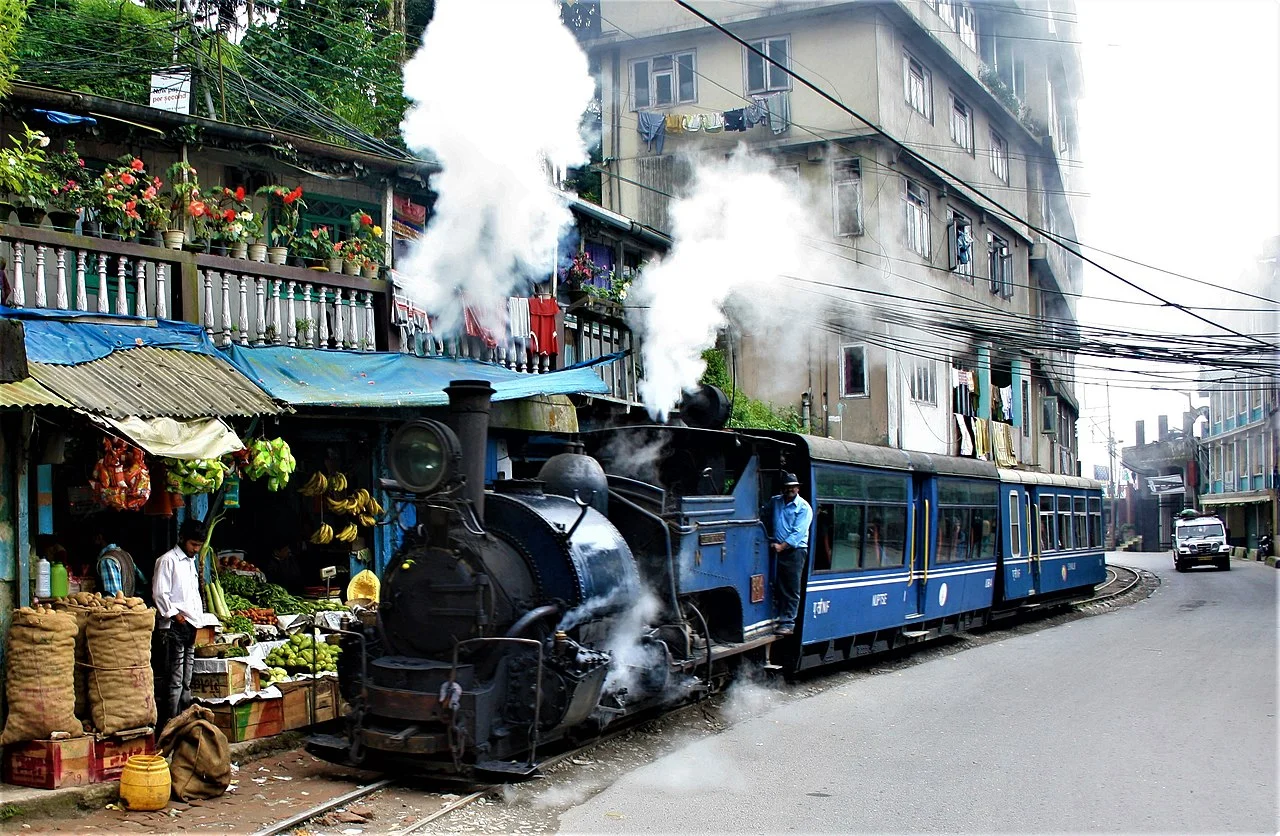
Local voters, however, remain divided. In Howrah, a manufacturing hub, small business owner Rakesh Ghosh expressed concern over the uncertainty. “Every election brings promises, but the real impact is felt in daily struggles—electricity cuts, rising prices, and job insecurity,” he said. Meanwhile, farmers in Nadia district, a TMC stronghold, welcomed the party’s focus on agricultural subsidies. “We trust Mamata to protect our interests,” said Sanjay Mandal, a rice cultivator. The challenge for the TMC is to translate such sentiments into tangible electoral gains without alienating urban voters.
Economic Implications for Bengal
The Bengal Polls have significant economic ramifications for the region, which contributes over 7% to India’s GDP. Analysts note that the outcome could influence investment flows, particularly in sectors like agriculture, manufacturing, and infrastructure. The TMC’s emphasis on state-led development projects, such as the Kolkata Metro expansion and rural electrification, contrasts with the BJP’s push for private-sector participation. A TMC victory might sustain existing policies, while a BJP win could introduce market-oriented reforms, potentially altering the economic landscape.
However, inflation and unemployment remain pressing issues. According to the Centre for Monitoring Indian Economy (CMIE), West Bengal’s unemployment rate stood at 6.2% in 2023, higher than the national average. Retailers in Howrah’s markets report declining footfalls, with shopkeeper Priya Das stating, “People are spending less, and the election rhetoric doesn’t address our immediate needs.” The parties’ manifestos will be scrutinized for concrete solutions to these challenges, as citizens seek clarity on how policies will affect their livelihoods.
Social Impact and Community Response
The electoral battle has also sparked debates over social welfare and education. The TMC’s “Pensioner Welfare Scheme” and free rice distribution have won support among older voters, while the BJP’s focus on digital literacy and skill development appeals to youth. In rural areas, schoolteachers report that students are increasingly aware of political issues, with some classrooms becoming informal campaign hubs. “Children ask, ‘Will my school get more funds if the BJP wins?’” said Anjali Roy, a teacher in Malda. Such conversations highlight the deepening intersection between politics and daily life.
Community leaders, however, urge caution. “Elections should not overshadow urgent issues like healthcare access,” said Dr. Arjun Bhattacharya, a physician in Burdwan. “While parties compete for votes, the public’s health needs—like rural medical facilities—remain unaddressed.” This sentiment reflects a broader frustration among citizens, who demand that political campaigns prioritize tangible improvements over rhetoric.
What’s Next for Bengal’s Political Landscape
The TMC’s candidate list has set the stage for a fiercely contested election, with both parties vying for the 226-seat majority. The BJP, which secured 138 seats in the 2019 assembly polls, has intensified its campaign in urban centers, while the TMC continues to focus on rural alliances. The outcome will determine the direction of state policies, from education funding to environmental regulations, with far-reaching consequences for communities.
As the campaign unfolds, citizens are watching closely. For now, the Bengal Polls remain a microcosm of India’s broader political tensions, where local concerns intersect with national narratives. Whether the TMC’s projection of a landslide victory materializes or the BJP makes inroads, the results will shape the region’s trajectory for years to come.