Protests erupted in Srinagar on Monday following the killing of Iranian Supreme Leader Ayatollah Ali Khamenei, leaving 14 individuals injured. Local authorities issued an advisory to maintain peace and prevent further unrest in the region.
Protests Sparked by International Events
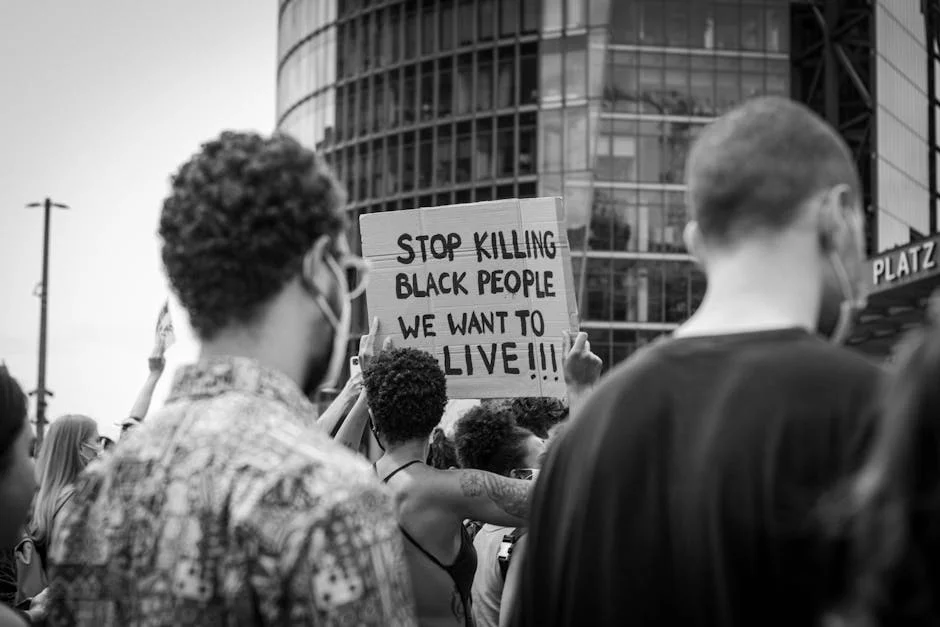
The protests in Srinagar were ignited by the assassination of Ayatollah Ali Khamenei, an influential figure in Iran and a symbol of resistance for many in the region. As news of the incident spread, residents took to the streets, expressing their solidarity with Iran and their discontent with perceived injustices. This local unrest is further complicated by the ongoing geopolitical tensions that often impact Kashmir, making it a flashpoint for demonstrations.
Local Authorities Respond with Advisory
In response to the growing unrest, the Jammu and Kashmir administration issued an advisory urging residents to stay indoors and avoid gatherings. Officials expressed concern over the potential for escalated violence, emphasising the need for community cooperation to maintain peace. The advisory reflects a broader strategy to prevent the situation from spiralling out of control, particularly in a region with a history of civil strife.
Impact on Daily Life and Local Economy
For many in Srinagar, the protests have disrupted daily life. Streets that were once buzzing with activity are now filled with fear and uncertainty. Businesses have closed early, and students have been sent home to avoid potential clashes. The local economy, which has been struggling to recover from previous lockdowns and unrest, is bracing for yet another setback. Residents fear that prolonged protests could lead to more restrictions and economic challenges.
Community Responses and Solidarity
The protests have triggered mixed reactions within the community. While many express solidarity with those demonstrating, there are also voices calling for calm and restraint. Local leaders have urged citizens to engage in peaceful dialogue rather than violence, highlighting the importance of community unity in a time of crisis. Social media has also played a significant role in mobilising support and spreading information about the situation, further complicating the narrative.
What’s Next for Kashmir?
As the situation unfolds, the focus remains on how these protests will affect Kashmir's already fragile socio-political landscape. With ongoing concerns over security and governance, residents are left wondering what the future holds. Will the unrest lead to a renewed crackdown by authorities, or will it foster greater political engagement among the youth? The coming days will be crucial in determining the trajectory of both local and regional dynamics in Kashmir.