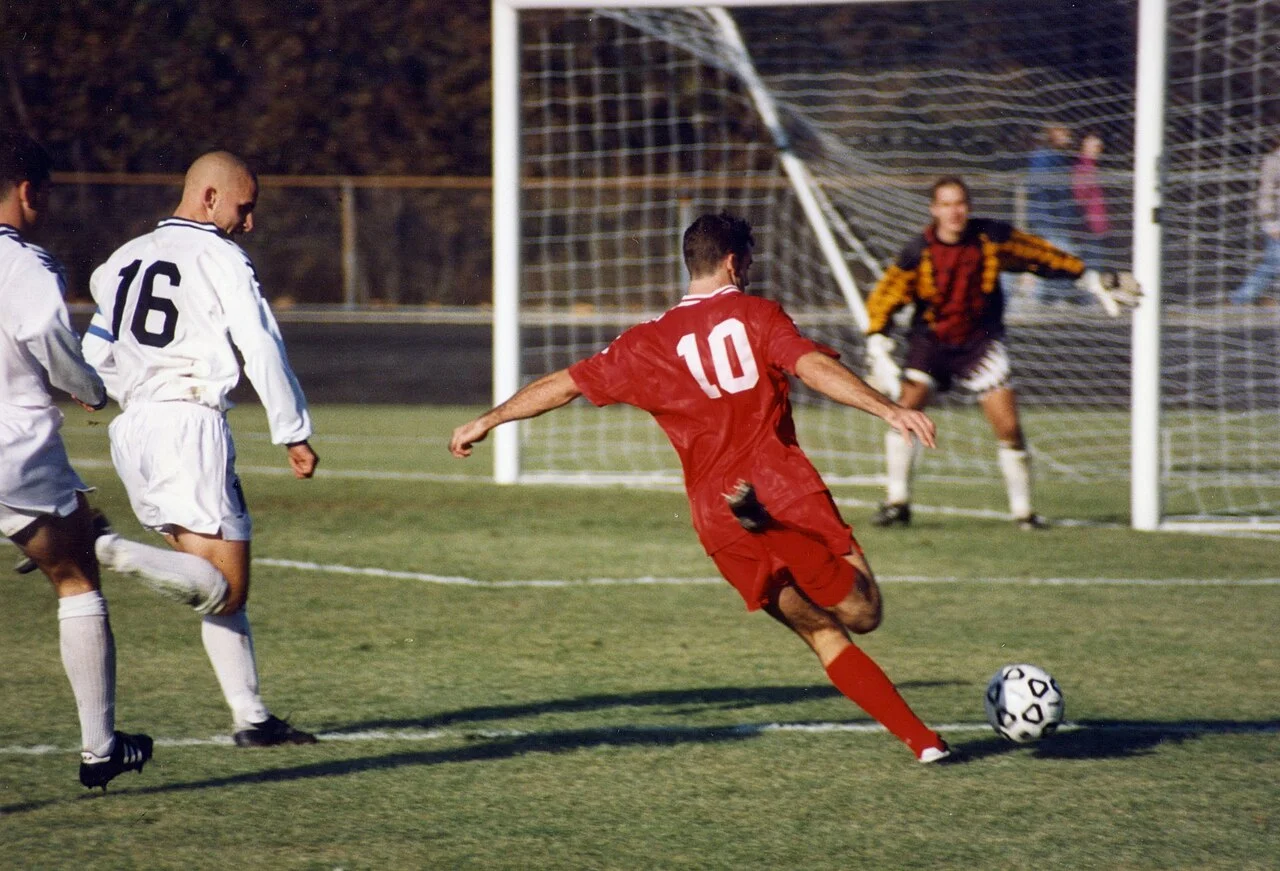
Portuguese futsal giants Sporting moved a step closer to the Champions League title after defeating Cartagena 4-2 in a thrilling semifinal clash on Wednesday. The victory, secured in front of 3,000 fans at the Sport Lisboa e Benfica Arena, has sparked celebrations across Lisbon, with local businesses and communities reaping the benefits of the high-stakes match. The result marks a pivotal moment in the tournament, raising questions about its broader implications for futsal’s growing popularity in Europe and beyond.
Local Fandom and Economic Boost
The match injected energy into Lisbon’s streets, with bars and restaurants near the stadium reporting a 40% surge in customers. Local vendors sold merchandise featuring Sporting’s iconic green and white colors, while taxi drivers reported longer queues as fans traveled to and from the venue. “This kind of event brings the community together,” said Ana Ferreira, a shopkeeper in the Alcântara district. “It’s not just about the game—it’s about pride and shared excitement.”
The economic ripple effect extends to nearby towns, where hotels and cafes saw bookings rise by 25% in the days leading up to the match. Sports analysts note that such events highlight futsal’s potential to drive local economies, especially in regions with strong football cultures. However, critics warn that the focus on high-profile matches could overshadow grassroots development, leaving smaller clubs struggling to compete.
Community Response and Social Impact
For many Lisbon residents, the victory is more than a sporting milestone—it’s a symbol of resilience. Sporting, a club with deep historical roots in the city, has long been a unifying force, particularly during times of economic uncertainty. “When the team wins, it lifts everyone’s spirits,” said Manuel Costa, a retired teacher. “It reminds us that we can overcome challenges, just like the players.”
The match also sparked discussions about inclusivity in futsal. Local NGOs organized community screenings in underprivileged neighborhoods, ensuring fans without access to the stadium could share in the experience. “Sports should be for everyone,” said Sofia Martins, a volunteer with the Lisbon Futsal Foundation. “This win is a reminder of how sports can bridge gaps and foster unity.”
Looking Ahead: What’s Next for Sporting and Cartagena?
With the final against Spanish side Tenerife looming, Sporting’s players face intense pressure to maintain their momentum. The club’s management has pledged to invest in youth academies, citing the semifinal win as a catalyst for long-term growth. Meanwhile, Cartagena’s fans, though disappointed, have praised their team’s performance. “We gave our all,” said captain Luis Mena. “This is just the beginning.”
The outcome of the final could influence future sponsorship deals and media rights, potentially reshaping the financial landscape of futsal. For now, the focus remains on the upcoming showdown, with Lisbon buzzing with anticipation. As one fan put it, “This is more than a game—it’s a celebration of passion, perseverance, and the power of community.”
The Broader Significance of the Champions Futsal League
The Champions Futsal League, now in its 15th season, has seen a 30% increase in global viewership over the past three years. For Indian fans, the tournament offers a glimpse into Europe’s thriving futsal scene, though local leagues still struggle for visibility. “There’s a growing interest in futsal in India, but we need more investment and infrastructure,” said sports commentator Ravi Kapoor. “Events like this inspire the next generation of players.”
As the final approaches, the match’s impact extends beyond the pitch. It underscores the role of sports in fostering community engagement and economic activity, while also highlighting the challenges of balancing competitiveness with inclusivity. For now, Lisbon’s streets remain alive with the energy of a city that sees its team’s success as a reflection of its own spirit.