South African jet fuel prices have surged by over 30% in the past six months, posing a significant threat to the affordability of air travel for millions of citizens. The sharp increase in fuel costs is expected to force airlines to hike ticket prices, potentially making flights out of reach for many South Africans.

Rising Costs Strain Airlines

The escalating cost of jet fuel is putting immense pressure on South African airlines, which already face numerous financial challenges. According to industry analysts, the average price per litre of jet fuel has risen from R18.50 to R24.50 since January. This dramatic rise is attributed to global supply chain disruptions and increased demand post-pandemic, compounded by geopolitical tensions affecting oil-producing regions. Airlines such as South African Airways (SAA) and low-cost carriers like Mango and Kulula are now grappling with how to absorb these additional expenses without compromising their operations. SAA spokesperson Musa Zwane stated, "We are closely monitoring the situation and exploring various cost-saving measures, but ultimately, we may need to adjust our pricing strategy to ensure our viability."

Affordability Concerns for Passengers

For many South Africans, air travel is an essential mode of transportation, especially for those living in remote areas or conducting business across the country's vast landscape. The proposed fare hikes are likely to make air travel less accessible, particularly for lower-income families and students who rely on affordable flights for educational purposes. Tourism operators also express concern over the potential impact on the tourism sector, which heavily relies on domestic and international flights. Tourism South Africa CEO Sisa Ntshona warned, "Higher flight costs could deter both domestic and international tourists, significantly impacting the revenue and job creation in our industry."
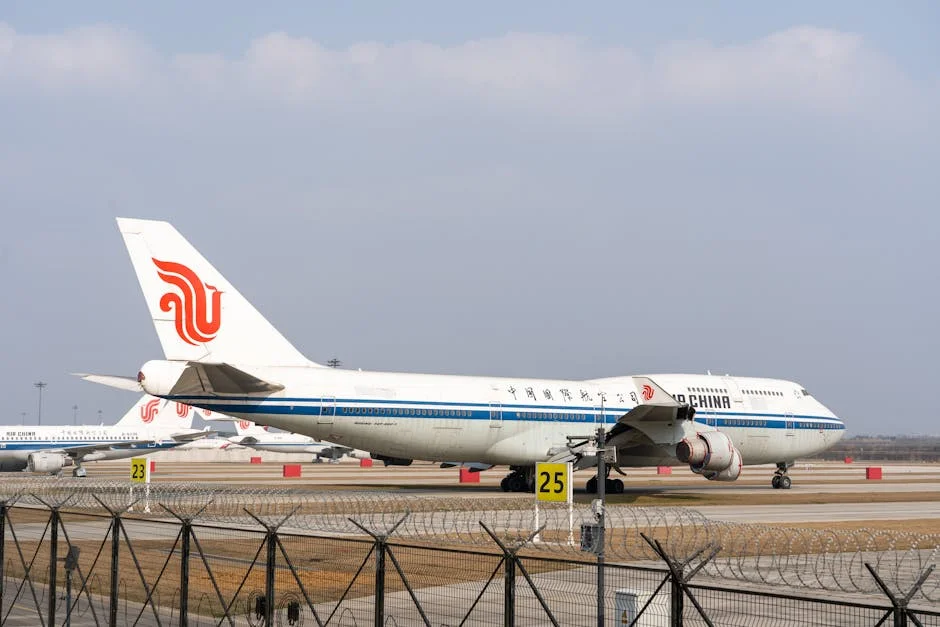
South African Jet Fuel Prices Soar, Threatening Affordability of Air Travel — Business Economy
business-economy · South African Jet Fuel Prices Soar, Threatening Affordability of Air Travel

Economic Ripple Effects

The ripple effects of higher jet fuel prices extend beyond the aviation sector, impacting the broader economy. Increased travel costs could reduce consumer spending power, as more disposable income is allocated towards transportation. This shift could dampen economic activity in sectors that depend on tourism and business travel. Moreover, the aviation industry contributes substantially to South Africa’s GDP and employment rates. Any downturn in the sector could exacerbate unemployment issues, particularly in regions where air travel is a vital part of the local economy. For instance, cities like Cape Town and Durban, which thrive on tourism, stand to lose significant revenue if air travel becomes prohibitively expensive.

Government Response and Future Outlook

In response to the rising fuel costs, the South African government has initiated discussions with stakeholders to explore possible subsidies or tax relief for the aviation industry. Transport Minister Fikile Mbalula stated, "We understand the gravity of the situation and are working diligently to find sustainable solutions that balance the needs of the industry and the public." However, experts caution that any immediate relief measures may not fully offset the current price surge. Dr. John Smith, an economist at the University of Johannesburg, noted, "While government support can help alleviate some pressures, long-term sustainability will require innovative strategies to enhance fuel efficiency and diversify energy sources within the aviation sector." As the situation unfolds, South Africans will closely monitor the outcome of these discussions, hoping for a resolution that ensures affordable air travel remains a viable option for all segments of society.