Portugal has witnessed a significant increase in cocaine seizures, with a 20% rise reported in 2025 compared to the previous year. This development highlights a growing trend in drug trafficking and poses new challenges for law enforcement and public health in the country.
Cocaine Seizures Reach New Heights
In 2025, Portuguese customs and border control agencies seized a total of 10,800 kilograms of cocaine, marking a substantial increase from the 9,000 kilograms recorded in 2024. The rise in cocaine seizures is attributed to improved detection methods and increased international cooperation in drug trafficking operations.
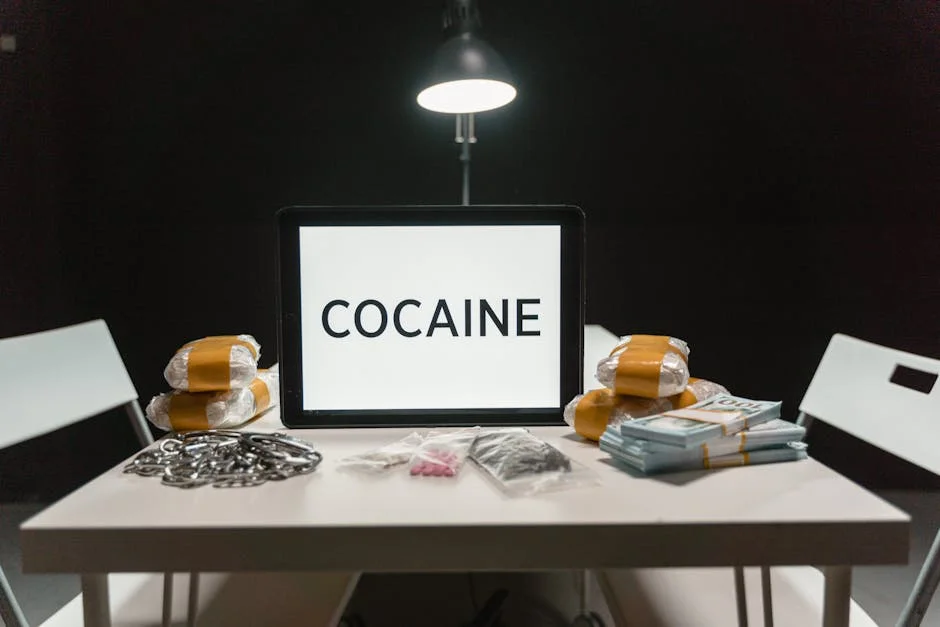
The surge in cocaine seizures not only signifies a higher volume of illegal drugs entering Portugal but also reflects the evolving tactics used by drug traffickers to circumvent existing border controls and law enforcement efforts. This trend impacts the daily lives of citizens, as it indicates that more people might be exposed to the risks associated with drug abuse and crime.
Impact on Public Health and Safety
The increase in cocaine seizures suggests that there could be a corresponding rise in cocaine use among the population. This has implications for public health, with potential increases in addiction rates, mental health issues, and related societal problems. The availability of more cocaine on the streets may also lead to an uptick in violent crime, as rival gangs and individuals compete for control over drug distribution networks.
Furthermore, the heightened presence of cocaine in Portugal can have economic consequences, particularly in areas such as healthcare and criminal justice. Increased demand for medical services to treat drug-related conditions and the costs associated with law enforcement and judicial processes will likely place additional financial pressures on the government and society.
Law Enforcement Efforts Strengthened
The Portuguese government has responded to the rise in cocaine seizures by enhancing its law enforcement capabilities. This includes the allocation of additional resources to border control and customs departments, as well as increased collaboration with international partners to track and intercept drug shipments.
These measures aim to not only curb the flow of cocaine into the country but also to disrupt the networks responsible for its distribution. By doing so, law enforcement hopes to reduce the overall availability of cocaine on the streets, thereby mitigating its impact on public health and safety.
Community Response and Awareness
The community response to the increased cocaine seizures has been varied. While some residents express concern about the rising drug trade and its potential effects on their neighbourhoods, others remain optimistic that the government’s efforts will be successful in curbing the problem. Community groups and local organisations have stepped up awareness campaigns to educate residents about the dangers of drug use and encourage them to report any suspicious activity.
The increased visibility of cocaine seizures has also sparked discussions about the broader issues of drug addiction and poverty in Portugal. These conversations highlight the interconnected nature of social and economic factors that contribute to drug use and the importance of addressing these underlying issues to create a healthier and safer community for all.
Looking Ahead
As the trend of rising cocaine seizures continues, it is crucial for Portugal to maintain and strengthen its law enforcement and public health initiatives. Ongoing monitoring of drug trends and continued support for community-based programmes will be essential in ensuring that the impact of cocaine on daily life remains manageable and that the health and safety of citizens are protected.
With the right strategies in place, Portugal can mitigate the effects of increased cocaine availability and continue to provide a safe and prosperous environment for its citizens.