The Prime Minister has launched a scathing attack on the opposition Congress party, accusing them of spreading panic among the public during times of war and revealing that they have deep ties with anti-India forces. This move could have significant implications for the stability and unity of the country.
Congress Accused of Stirring Up Fear Among Citizens
The Prime Minister's comments come at a time when India is facing multiple challenges, including ongoing military tensions with neighbouring countries. He argues that the Congress party has used these moments to sow discord and create an atmosphere of fear and uncertainty amongst the general public. This strategy, according to the Prime Minister, is aimed at weakening the government’s position and undermining national morale.
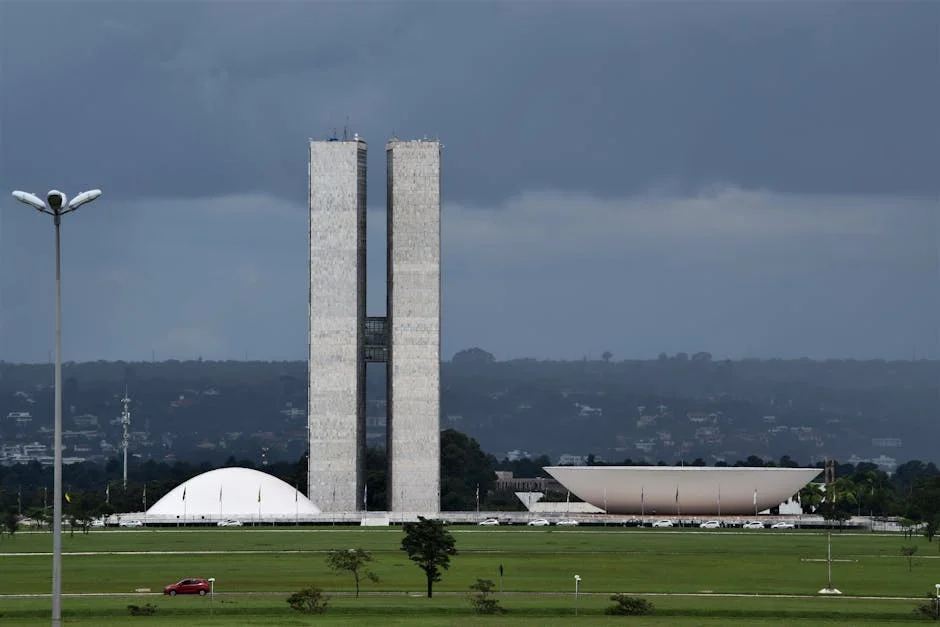
“The Congress party is not just content with opposing our policies,” said the Prime Minister. “They are actively working to spread panic and division among our people, especially during times when we need to stand united.” This assertion underscores the political rivalry between the ruling party and the main opposition, highlighting how closely intertwined domestic politics are with national security concerns.
Deep Ties With Anti-India Forces Uncovered
In addition to the charge of spreading panic, the Prime Minister also revealed that the Congress party has maintained close connections with anti-India forces. These relationships, he suggests, go back several years and have influenced the party's stance on various issues, particularly those related to foreign policy and defence.
“It’s not just about the here and now,” the Prime Minister continued. “The Congress party’s actions and alliances have a long history, and they continue to shape their approach to governance and international relations.” This insight provides context for understanding the motivations behind some of the Congress party’s recent decisions and its interactions with other nations.
Impact on Daily Life and Local Economy
The Prime Minister’s critique of the Congress party extends beyond political manoeuvring, touching on how these dynamics affect the everyday lives of citizens and the local economy. The fear and uncertainty stirred by the opposition can lead to decreased consumer confidence and reduced investment, which in turn impacts job creation and economic growth.
Moreover, the perception of instability can make it harder for businesses to plan for the future, potentially leading to delays in expansion or new projects. For many families, this means less job security and possibly lower wages. In rural areas, where agriculture plays a crucial role, such economic pressures can be even more pronounced, affecting everything from crop yields to access to basic necessities.
Community Response and Next Steps
The community response to the Prime Minister’s criticism of the Congress party has been mixed. While some citizens express support for the ruling party’s efforts to highlight the opposition’s perceived shortcomings, others feel that such rhetoric is merely a distraction from pressing issues like inflation and healthcare.
Economic analysts predict that the political climate will remain volatile in the coming months, with the potential for further fluctuations in the stock market and currency values. This means that citizens and communities across India will continue to be closely watching the political landscape, as well as the actions of both the ruling party and the opposition, to gauge how these developments might affect their daily lives and economic prospects.
Implications for National Unity
The Prime Minister’s claims about the Congress party’s role in spreading panic and maintaining ties with anti-India forces raise important questions about the state of national unity. As the country faces external challenges, the ability of its political leaders to work together and present a united front becomes even more critical.
The Prime Minister’s comments serve as a reminder of the ongoing importance of trust and cooperation within the political system. They also highlight the need for citizens to stay informed and engaged, as their support and participation can play a vital role in shaping the direction of the nation.