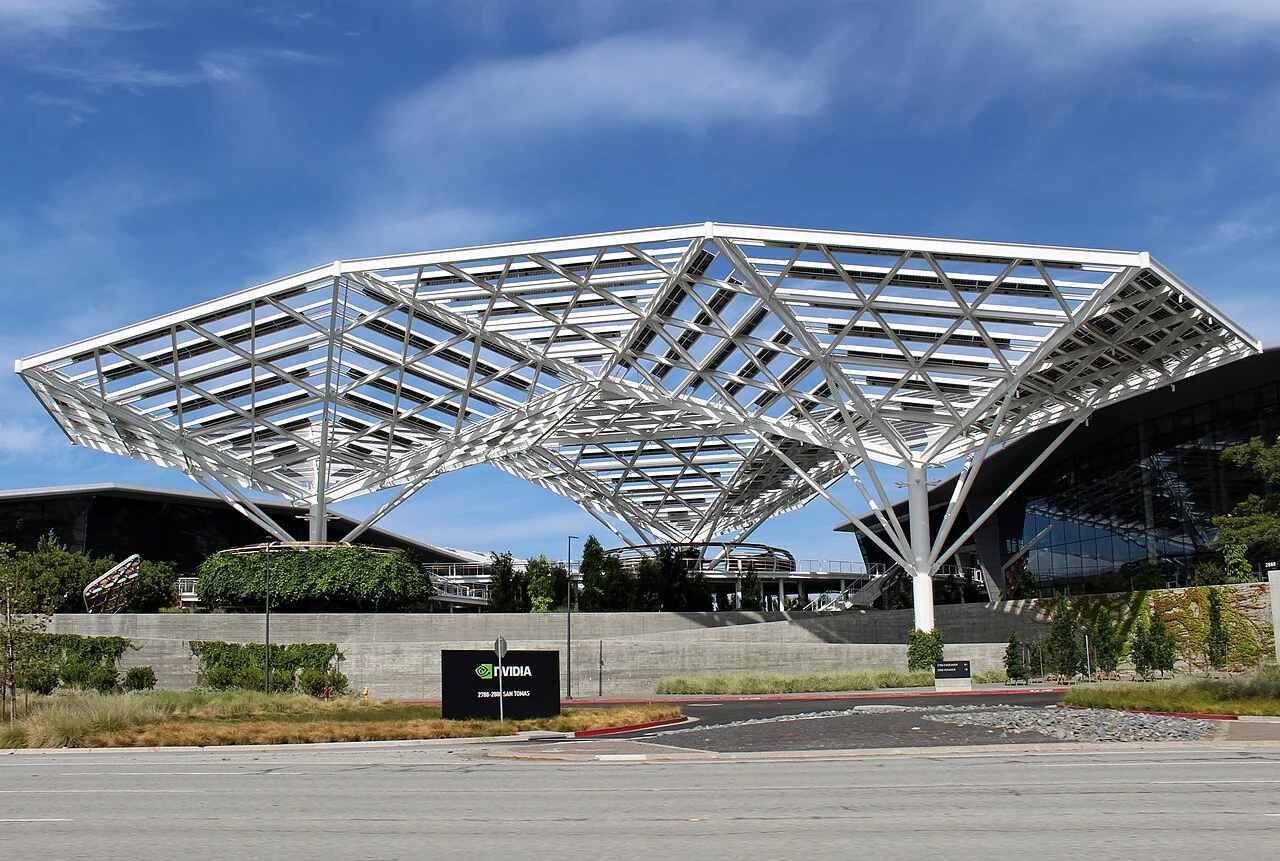
Nvidia, the global leader in graphics processing, unveiled its latest AI-driven chipset at the GTC Developer Conference, marking a significant leap in computing power and efficiency. The product, the GH200 Grace CPU and GB200 Blackwell GPU, promises to revolutionize industries from healthcare to autonomous systems. The announcement, made by CEO Jensen Huang, has sent ripples through the tech sector, with immediate implications for India’s growing digital economy.
Revolutionizing Computing for Indian Tech Firms
The new Nvidia chipset is designed to handle complex AI workloads with unprecedented speed, reducing energy consumption by up to 50% compared to previous models. For Indian tech companies, this could mean faster development cycles for AI applications, from language translation tools to predictive analytics. Startups in Bengaluru and Hyderabad, which rely heavily on cloud-based AI services, may now access more affordable and efficient hardware, potentially lowering operational costs.
Industry experts note that the product’s integration with Nvidia’s CUDA platform could accelerate adoption in sectors like e-commerce and fintech. “This is a game-changer for Indian developers,” says Ravi Sharma, a tech analyst at NASSCOM. “The reduced latency and enhanced processing power will enable real-time AI solutions, which are critical for services like personalized banking and smart logistics.”
Impact on India’s AI Ecosystem
India’s AI market, valued at $2.5 billion in 2023, is projected to grow rapidly, driven by government initiatives like the National AI Strategy. Nvidia’s new product could further fuel this growth by enabling local firms to compete globally. However, challenges remain, including the need for skilled engineers to harness the technology’s full potential. Training programs and partnerships between Nvidia and Indian institutions may be crucial to bridging this gap.
The product also raises questions about data sovereignty. As AI systems become more powerful, concerns about data security and regulatory compliance in India could intensify. Tech firms will need to navigate these issues while leveraging the new hardware to stay competitive.
Social and Economic Implications
For everyday citizens, the ripple effects could be profound. AI-powered services, such as voice assistants and automated customer support, may become more accurate and accessible. In rural areas, where digital infrastructure is still developing, the efficiency of Nvidia’s chipset could support initiatives like telemedicine and agricultural analytics, improving quality of life.
However, the shift toward AI-driven automation may also disrupt traditional jobs. Sectors like manufacturing and customer service could see workforce transformations, necessitating government and corporate efforts to reskill workers. “The key is ensuring equitable access to these technologies,” says Priya Mehta, a policy advisor. “Without inclusive strategies, the benefits may not reach all communities.”
What’s Next for India’s Tech Landscape
Nvidia’s announcement comes amid a global AI arms race, with competitors like AMD and Intel also rolling out advanced chips. For India, the challenge lies in adopting these innovations while addressing local constraints. The government’s push for “Make in India” in tech could see increased collaboration with Nvidia to tailor solutions for the country’s unique needs.
Looking ahead, the success of the new chipset in India will depend on factors like pricing, ecosystem support, and regulatory clarity. As the tech sector braces for rapid changes, stakeholders must balance innovation with social responsibility to ensure sustainable growth.