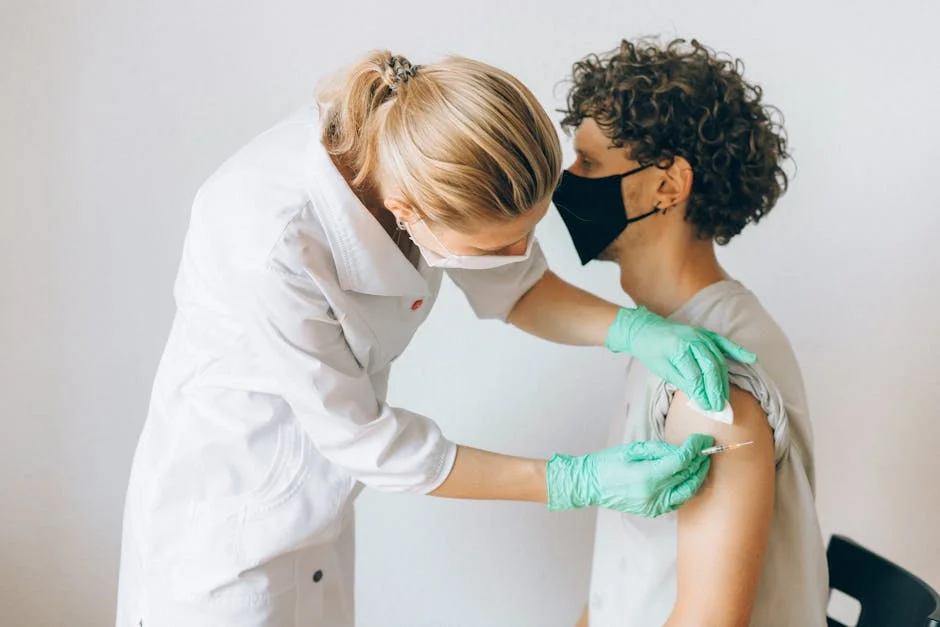
Children in India with Dravet syndrome, a severe form of epilepsy, are experiencing a transformative change after gaining access to a new treatment. The drug, approved earlier this year, has significantly reduced seizures in patients, allowing families to witness a marked improvement in their children’s quality of life. This development has sparked hope in communities across the country, particularly in regions with limited healthcare resources.
Breakthrough in Epilepsy Treatment
The new medication, developed by a global pharmaceutical company, targets the underlying causes of Dravet syndrome, a condition that often leads to frequent, prolonged seizures. Clinical trials showed a 60% reduction in seizure frequency among participants, with many children reporting fewer hospital visits. For families in India, where epilepsy affects over 12 million people, this breakthrough is a long-awaited advancement. Dr. Anjali Mehta, a neurologist at a Mumbai hospital, noted, “This drug is changing the narrative for children with severe epilepsy, offering them a chance to live more independently.”

Local healthcare providers have begun integrating the treatment into their protocols, with initial reports highlighting its effectiveness. In rural areas, where access to specialized care is limited, the drug has been distributed through government health initiatives. Parents like Ravi Kapoor from Hyderabad describe the difference it has made: “My son used to miss school frequently. Now, he’s back to playing with his friends and even helps with household chores.”
Impact on Daily Life and Community
The reduction in seizures has allowed children to engage more actively in school and social activities, strengthening family dynamics. In communities where epilepsy was often stigmatized, the success of the new treatment is fostering a sense of optimism. Schools in cities like Bengaluru and Pune have reported higher attendance rates among students with epilepsy, while local support groups have seen increased participation. “It’s not just about health—it’s about redefining what’s possible,” said Priya Desai, a community organizer in Ahmedabad.
The economic impact is also notable. With fewer medical emergencies, families are saving on healthcare costs, which has eased financial burdens. In some regions, local businesses have started partnering with hospitals to provide transportation for patients, creating small but meaningful job opportunities. This ripple effect underscores how medical advancements can strengthen community infrastructure.
Challenges and Future Prospects
Despite the progress, challenges remain. The drug’s high cost has limited its availability in some states, prompting calls for expanded government subsidies. Advocacy groups are pushing for policies to ensure equitable access, particularly in underserved areas. “We need a national strategy to make this treatment accessible to all children, not just those in urban centers,” said Arjun Patel, a campaign lead for a national epilepsy foundation.
Looking ahead, researchers are exploring whether the drug can be combined with other therapies to further improve outcomes. Early data suggests it may also benefit patients with related conditions, broadening its potential impact. For families in India, the hope is that this innovation will pave the way for more breakthroughs, ensuring that children with epilepsy can thrive.
Community Response and Advocacy
Local communities have rallied around the cause, with parents and healthcare workers sharing stories of resilience. Social media campaigns have amplified awareness, while volunteer networks are helping distribute medication to remote villages. In Delhi, a grassroots initiative has launched a “Seizure-Free Future” drive, collecting donations to support families unable to afford the drug. “Every child deserves a chance to grow without the shadow of epilepsy,” said Meera Singh, a volunteer.
As the treatment gains traction, its success is inspiring broader discussions about healthcare equity. Policy makers are now examining how to scale similar innovations, ensuring that medical advancements translate into tangible benefits for all. For now, the focus remains on celebrating the progress made and the brighter futures it has brought to children and their families across the region.