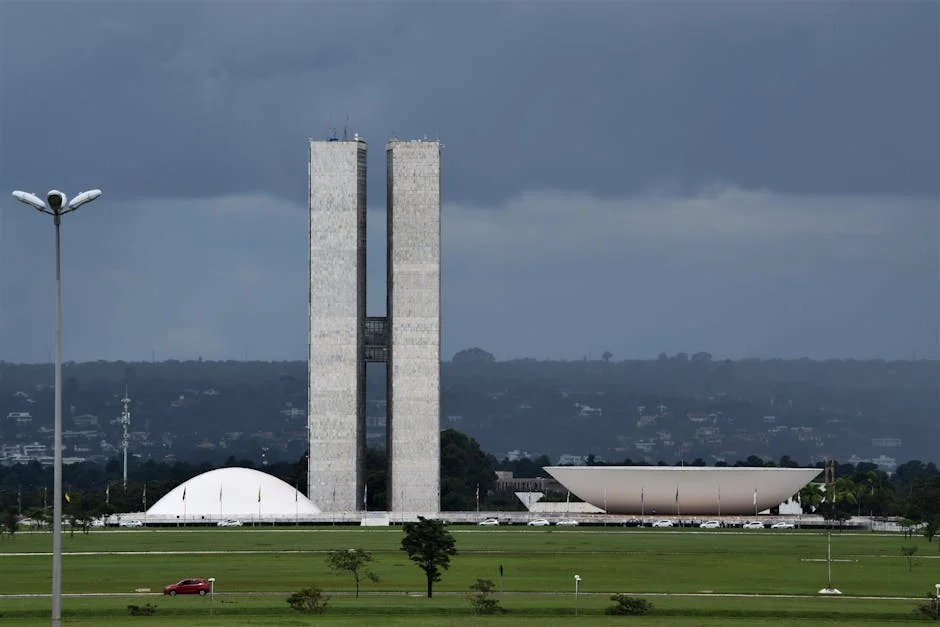
In a significant move for local governance, politicians across the region have called for a renewed commitment to decorum and fair debate in upcoming elections. This appeal comes amid rising tensions and personal attacks that have characterised recent political discourse, prompting concerns about the impact on community engagement.
Politicians Unite for Decency in Discourse
On Tuesday, local leaders from various parties gathered at a town hall meeting to address the alarming trend of incivility in politics. The event, held at the community centre in downtown, saw representatives from major political parties, including the ruling party and the opposition, jointly advocating for a respectful exchange of ideas as the election season approaches.

“We must rise above petty squabbles and focus on the issues that matter to our constituents,” stated Mayor Anita Sharma, who emphasised the importance of a healthy political atmosphere for the local electorate. This call for decorum comes in response to numerous instances of personal attacks during debates, raising questions about the integrity of local politics.
Impact on Community Engagement
The growing divisiveness in local politics has had a tangible effect on community engagement. Many residents have expressed disillusionment with the political process, citing the aggressive nature of recent debates as a deterrent to participation in local governance. “I used to be active in town hall meetings, but it feels like a circus now,” shared local resident Rajiv Malhotra.
This sentiment is echoed by community leaders, who fear that when politicians resort to personal attacks, it alienates constituents and diminishes the public's interest in vital issues such as education, healthcare, and infrastructure. Political analysts argue that a respectful discourse is essential not only for attracting voters but also for fostering a sense of community solidarity.
Historical Context of Political Decorum
The call for civility in political discussions is not a new phenomenon, but it has gained urgent relevance in today's climate of heightened political polarisation. Historically, local elections have seen candidates vying for voter approval through substantive debates rather than personal animosity. However, in recent years, the trend has shifted, with many voters expressing frustration over the lack of meaningful dialogue.
This shift can be traced back to national political dynamics, where aggressive campaigning has trickled down to local levels, affecting how politicians communicate with their constituents. Local leaders are now recognising that this approach may backfire, prompting their collective demand for a return to civility.
Economic Implications for the Region
The political climate also has significant implications for the local economy. Businesses thrive in stable environments, and when political discourse becomes toxic, it can deter investment and hinder economic growth. Local entrepreneur and business owner Tara Gupta remarked, “When politicians can't agree on the basics, it creates uncertainty for us. Investors prefer stable environments.”
Moreover, municipal projects and funding are often contingent on political cooperation, making it imperative for elected officials to work together constructively. As the local economy grapples with post-pandemic recovery, fostering a collaborative political environment may prove essential for attracting new businesses and retaining existing ones.
Looking Ahead: What Citizens Should Expect
As the election approaches, citizens are urged to keep a close eye on how local politicians respond to this call for decorum. Voter turnout could be influenced by the quality of political debate, and a commitment to respectful dialogue may be viewed favourably by the electorate. “I hope this leads to better discussions and a focus on real issues that affect our lives,” said voter activist Priya Singh.
The upcoming election cycle will serve as a litmus test for local politicians. Will they adhere to their pledge for civility, or will the trend of aggressive campaigning continue? For citizens, the answer to this question could determine the future of local governance and community cohesion.