UAE billionaire Khalaf Al Habtoor has publicly questioned former President Donald Trump regarding his authority to escalate tensions with Iran, sparking considerable concern across the Gulf region. Al Habtoor's comments, made during a recent interview, reflect widespread apprehension about the potential consequences of military actions in the Middle East.
Local Business Leaders Voice Concerns Over Regional Stability
The remarks by Al Habtoor, a prominent figure in UAE's real estate and hospitality sectors, come as fears grow about the implications of a renewed conflict with Iran. Speaking directly to Trump, he asked, "Who gave you authority to drag us into war?" This question resonates deeply with local citizens and business leaders who worry that military escalation could destabilise the Gulf, affecting trade, tourism, and overall economic stability.
Impacts on Daily Life: Citizens Fear Economic Fallout
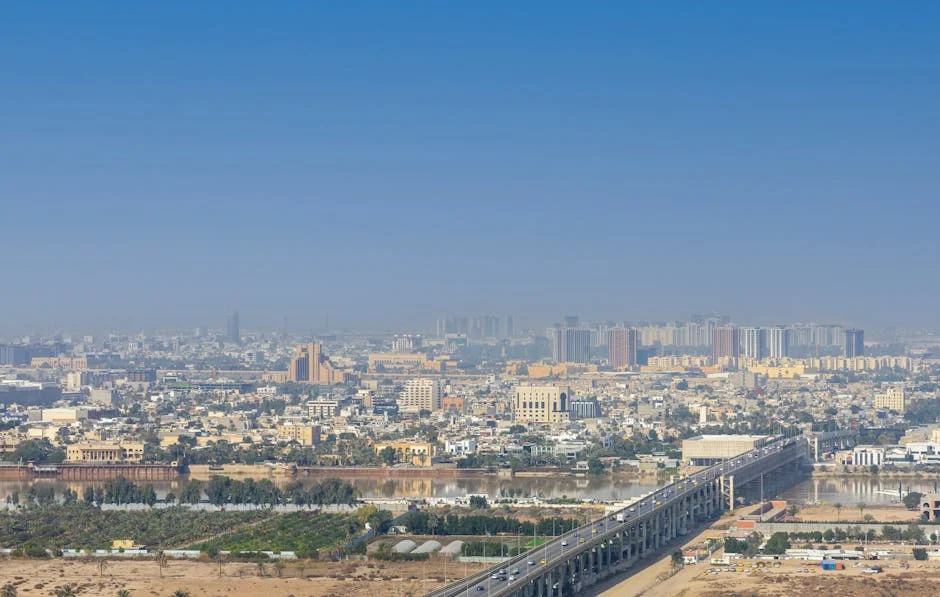
For many residents of the UAE and surrounding Gulf countries, the threat of conflict is not just a political issue but a direct threat to their daily lives. Local businesses that rely heavily on tourism and international investment are particularly vulnerable. Should tensions escalate, we could see a downturn in economic activity, leading to job losses and reduced consumer spending.
Local markets have already begun to reflect these anxieties, with stock indices showing signs of volatility. Community sentiment is shifting towards caution as families consider their financial futures amidst these geopolitical tensions.
Social Response: What Community Members Are Saying
Community forums across the UAE have seen an uptick in discussions about national security and regional politics. Many citizens express frustration, feeling that decisions made by powerful leaders in foreign nations disregard the voices of those directly affected. There is a growing sense of solidarity among residents, with calls for more transparency and accountability in political decisions impacting their lives.
Social media platforms have also become a battleground for opinions, with hashtags related to Al Habtoor's comments trending among users who are concerned about the future of the region. Community leaders are urging citizens to stay informed and engaged, advocating for local dialogues to address these pressing issues.
The Broader Context: Why Middle East Matters
The situation in the Middle East holds significant implications not only for regional citizens but also for global geopolitics. The Gulf region is a major hub for oil production, and any instability could lead to fluctuations in oil prices worldwide, impacting economies as far away as India.
Al Habtoor's challenge to Trump highlights the complex interplay between local and international politics. As the Middle East continues to navigate its fraught landscape, the voices of influential figures like Al Habtoor may serve as critical barometers of public sentiment and regional stability.
What to Watch For: Future Developments in Middle East Politics
As tensions with Iran remain high, observers should monitor both the political rhetoric and potential military movements in the region. Local citizens will be seeking reassurances from their leaders regarding their safety and economic prospects. Moreover, community responses to these developments will likely shape the political landscape in the UAE and beyond, influencing how leaders engage with foreign powers going forward.
In the coming weeks, Al Habtoor's statements may catalyse further discussions on the role of Gulf nations in global politics, with an emphasis on the need for a united front in preserving regional peace and prosperity.