In a significant move for marine conservation, researchers in Kerala have initiated land-based nurseries aimed at coral conservation in Vizhinjam. This innovative approach, spearheaded by the Kerala University of Fisheries and Ocean Studies (Kufos), is poised to address the alarming decline of coral reefs in the region, which impacts both the local ecosystem and the communities dependent on it.
Why Coral Conservation Is Critical for Vizhinjam
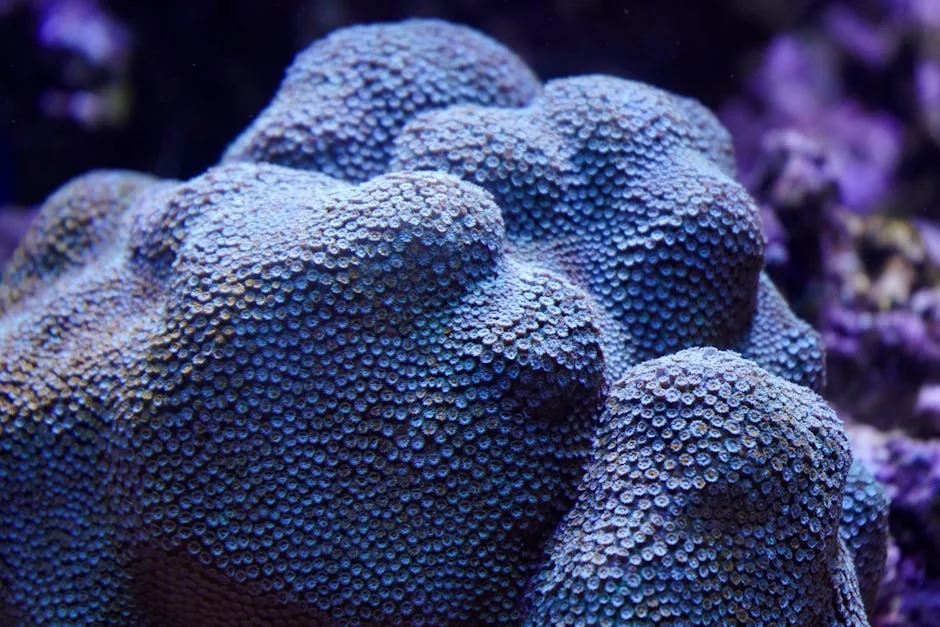
The coral reefs off the coast of Vizhinjam are not only a stunning natural resource but also a crucial component of the local marine ecosystem. These reefs provide habitats for diverse marine species, support fisheries, and protect coastal areas from erosion. However, rising sea temperatures, pollution, and human activity have led to significant coral degradation. Researchers argue that without immediate intervention, the local economy, heavily reliant on fishing and tourism, could suffer devastating consequences.
Kufos Researchers Implement Innovative Strategies
In response to the urgent need for coral restoration, researchers at Kufos have developed a programme that utilises land-based nurseries to rear coral seedlings. This initiative involves cultivating corals in controlled environments, allowing for better growth rates and resilience against environmental stressors. Once mature, these corals will be transplanted back onto degraded reefs, enhancing their recovery.
Dr. Anil Kumar, lead researcher at Kufos, stated, "By creating these nurseries, we not only aim to restore coral populations but also to educate local communities about the importance of coral ecosystems. This project represents a sustainable approach to marine conservation that directly benefits both nature and the livelihoods of local fishermen and tourism operators."
Community Response and Involvement
The local community in Vizhinjam has shown enthusiastic support for the coral conservation project. Fishermen, who have noticed declining fish populations due to coral loss, are eager to see the positive effects of restored reefs. Community meetings held by Kufos have garnered interest and participation from fishermen, local business owners, and school children, fostering a collective sense of responsibility towards marine conservation.
Local fisherman Rajesh Menon expressed hope, saying, "We depend on the sea for our livelihood. Healthy coral reefs mean more fish and better business for us. We are excited to be part of this initiative and learn more about how we can help protect our waters."
The Economic and Social Impact of Coral Restoration
The implications of this coral conservation project extend beyond environmental benefits. The restoration of coral reefs is expected to rejuvenate the local economy by enhancing fish populations, which will, in turn, support fishing livelihoods. Additionally, healthier reefs can attract more tourists, boosting the local tourism industry significantly.
As the initiative progresses, researchers are closely monitoring the ecological changes and engaging with the community to ensure sustainable practices are adopted. The integration of local knowledge with scientific research is expected to yield long-term benefits for both the marine environment and the residents of Vizhinjam.
What Comes Next for Coral Conservation in Kerala?
The success of the land-based nursery project could set a precedent for similar initiatives along the Indian coastline, particularly in regions facing coral degradation. As Kufos continues its research and implementation, residents of Vizhinjam and the surrounding areas will be watching closely. The project not only holds promise for coral restoration but also represents a united front in the fight against climate change and its effects on local ecosystems.
With the first phase of this initiative already underway, the community is encouraged to stay involved and informed about coral conservation strategies. The hope is that through collaborative efforts, the local population can help safeguard their marine resources for future generations, ensuring that Vizhinjam continues to thrive as a vibrant coastal community.