In a significant escalation, Israel has targeted an Iranian missile unit, coinciding with an attempted drone attack on a Saudi refinery. This military move, reported on Tuesday, raises concerns about the implications for regional security and daily life in surrounding communities.
Israel's Military Action Explained
The Israeli military confirmed the airstrike on an Iranian missile facility located near the border with Iraq, stating that the operation aimed to thwart potential threats to its national security. The attack, conducted early in the morning, targeted a site believed to be developing long-range missiles capable of hitting strategic locations in Israel.
This military action follows a series of tensions between Israel and Iran, particularly over Iran's nuclear ambitions and its military presence in neighbouring countries. Analysts suggest that Israel's decision to act now reflects an urgency to eliminate perceived threats before they can materialise further.
The Impact on Saudi Arabia's Oil Infrastructure
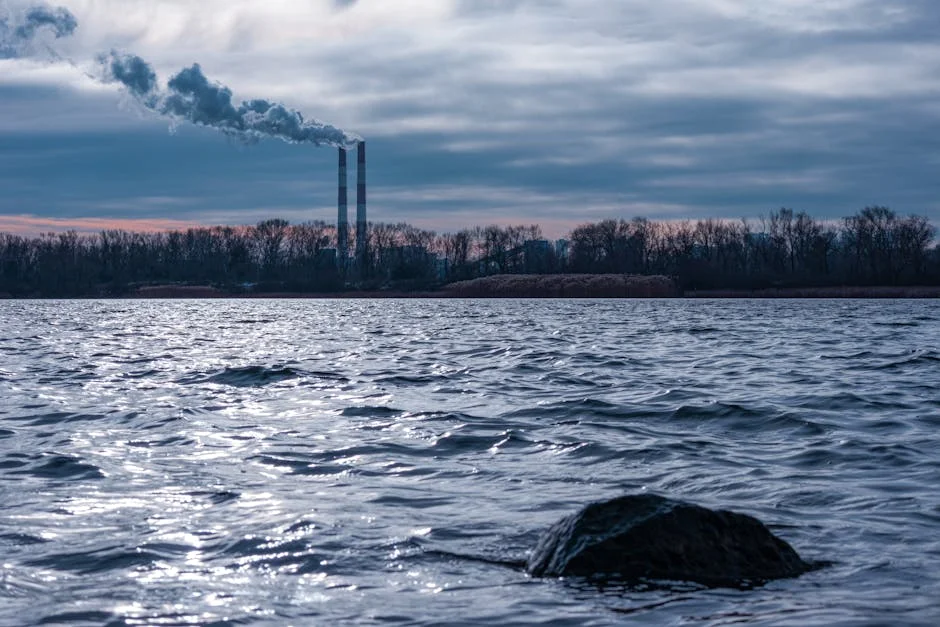
Simultaneously, the attempted drone strike on the Saudi refinery highlights the ongoing risks to one of the world's most crucial oil supply chains. The refinery, located in the eastern region of Saudi Arabia, is a key facility for energy production, and any disruption could have significant repercussions not only for Saudi Arabia's economy but also for global oil prices.
Local authorities in Saudi Arabia have heightened security measures around critical infrastructure in response to this incident, and citizens are advised to remain vigilant. The Saudi government is expected to enhance its military readiness to deter future attacks.
Local Communities Bracing for Potential Fallout
The recent developments in Israel and Saudi Arabia raise critical questions for citizens in the region. For many, daily life is already affected by the broader geopolitical tensions. In Israel, citizens are grappling with the anxiety of potential retaliatory strikes from Iranian-affiliated groups, while those in Saudi Arabia are acutely aware of the implications for energy prices and local economic stability.
In both countries, communities are beginning to stockpile essential supplies, fearing that heightened conflict could disrupt normal life and lead to shortages. The escalation of military actions can also lead to increased military presence, which some residents view as necessary for their safety, while others fear it may lead to indiscriminate violence.
What Comes Next for the Region?
As tensions escalate, analysts predict a period of heightened military readiness and potential retaliatory strikes from Iran or its proxies. The international community is closely monitoring the situation, with calls for diplomatic solutions to prevent further escalation.
For citizens in the region, the uncertainty of military confrontations looms large, influencing both daily life and economic activities. Local businesses, especially those linked to energy and security industries, may see fluctuations as governments react to perceived threats. Residents should remain informed through reliable news sources as the situation unfolds.