A news correspondent captured on camera ducking for cover as an Israeli airstrike hit a nearby site in southern Lebanon highlights the escalating danger facing civilians and journalists alike. The incident occurred during a routine field report near the border, underscoring the volatility that now defines daily life in the region. This event marks a critical shift in how the conflict impacts those living and working within the zone.
Journalists Face Heightened Risks Amid Strikes
The footage showing the reporter seeking shelter serves as a stark reminder of the operational risks now inherent in covering this conflict zone. Media personnel are no longer safe observers but are potentially caught in the crossfire of precision airstrikes targeting military positions. Local news crews report that access to the **southern Lebanon** border is increasingly restricted due to security warnings.
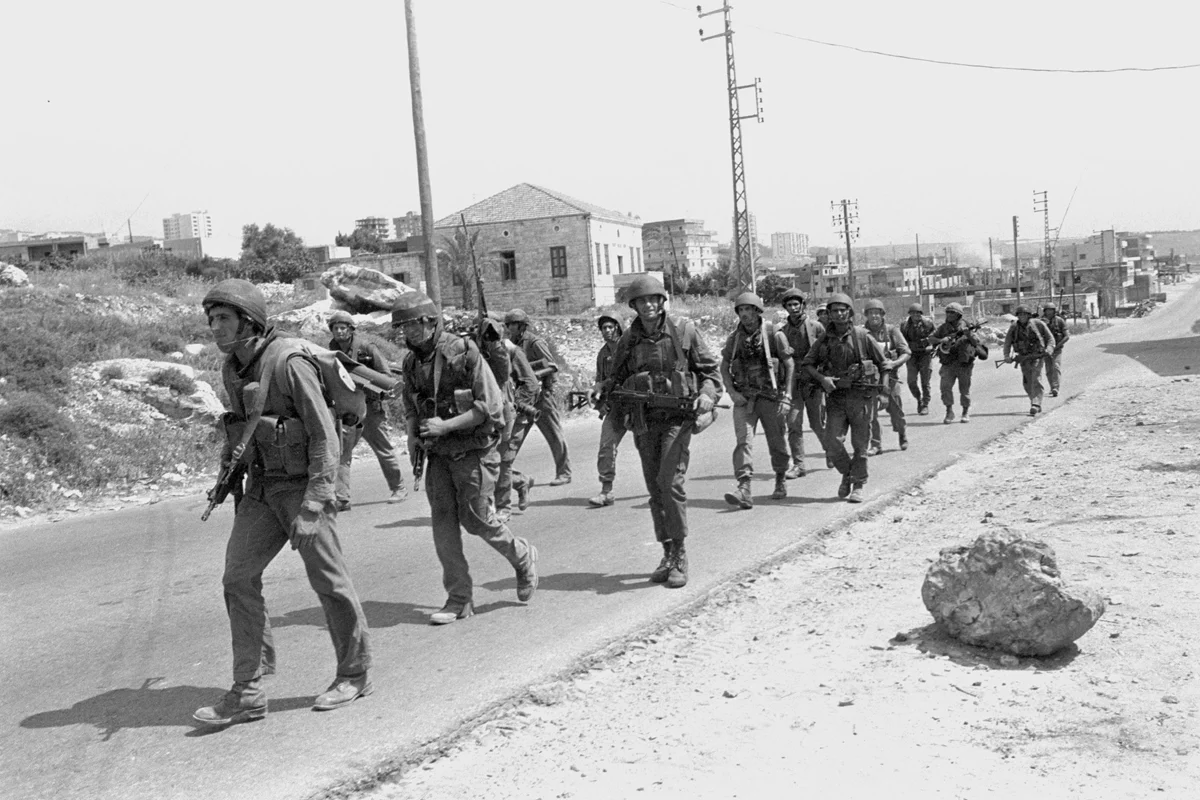
International bureaus have issued new safety protocols for their staff operating in the immediate vicinity of the clashes. These measures include mandatory evacuation zones and limited on-ground reporting windows to minimize exposure to sudden bombardments. The psychological toll on these journalists is significant, as they must balance their duty to report with the instinct for self-preservation.
Despite these dangers, the demand for on-the-ground verification remains high for audiences seeking unfiltered information. Without direct access, misinformation can spread rapidly through social media channels, complicating the narrative for global observers. This creates a challenging environment where the cost of truth is measured in physical safety.
Displacement Waves Through Southern Towns
Civilian communities in the border regions are experiencing mass displacement as families flee the advancing front lines. Thousands of residents have already abandoned their homes, seeking refuge in safer northern districts or neighboring countries. The humanitarian crisis is deepening as infrastructure like water and power grids fail under the strain of continuous conflict.
For those who remain, daily routines are dictated by air raid sirens rather than the clock. Schools have been closed indefinitely, and local businesses have shuttered their doors to avoid the risk of casualties. The social fabric of these towns is fraying as communities are forced to scatter across the country.
Understanding what is Lebanon in this context requires looking beyond the political borders to the human cost of the war. It is a nation where the concept of safety is rapidly eroding for its most vulnerable citizens. Aid organizations are struggling to reach isolated pockets of the population that are cut off from supply lines.
Trade Routes Disrupted by Ongoing Conflict
The economic stability of the region is heavily impacted as trade routes along the border face severe interruptions. Agricultural exports, which are vital for the local economy, cannot reach international markets due to the security risks on transport roads. Farmers are watching their crops rot in the fields as they cannot safely access their land to harvest.
Import costs are rising sharply as shipping companies increase insurance premiums for vessels navigating the eastern Mediterranean. This inflationary pressure is felt immediately in local markets, where prices for basic necessities have doubled in recent weeks. The economic fallout threatens to push more families into poverty and dependence on international aid.
Regional partners are also feeling the strain as cross-border commerce comes to a near halt. The disruption affects not just Lebanon but also its trading neighbors who rely on efficient logistics through the area. Long-term economic recovery will depend heavily on the duration and intensity of the hostilities.
Regional Security Implications for Neighbors
The broader security architecture of the Middle East is being tested by the escalation in violence along this border. Understanding why Israel matters to the global security conversation is essential, as its actions here influence diplomatic relations across the continent. Neighboring states are mobilizing their own defenses in anticipation of potential spillover effects.
Tensions are high among various political factions, with the potential for the conflict to widen beyond its current geographical scope. Diplomatic channels are working overtime to contain