Gulf nations are expressing growing frustration with President Donald Trump over US security pacts, with some officials openly questioning the longstanding arrangement that has seen them rely on American military support. The shift in sentiment reflects a broader recalibration of power dynamics within the region.
Gulf States Reassess Security Agreements
The frustration among Gulf states stems from recent statements made by US officials, particularly President Trump, who has called into question the value of existing defence agreements. These arrangements have traditionally provided a framework for joint military exercises, intelligence sharing, and mutual protection against external threats.
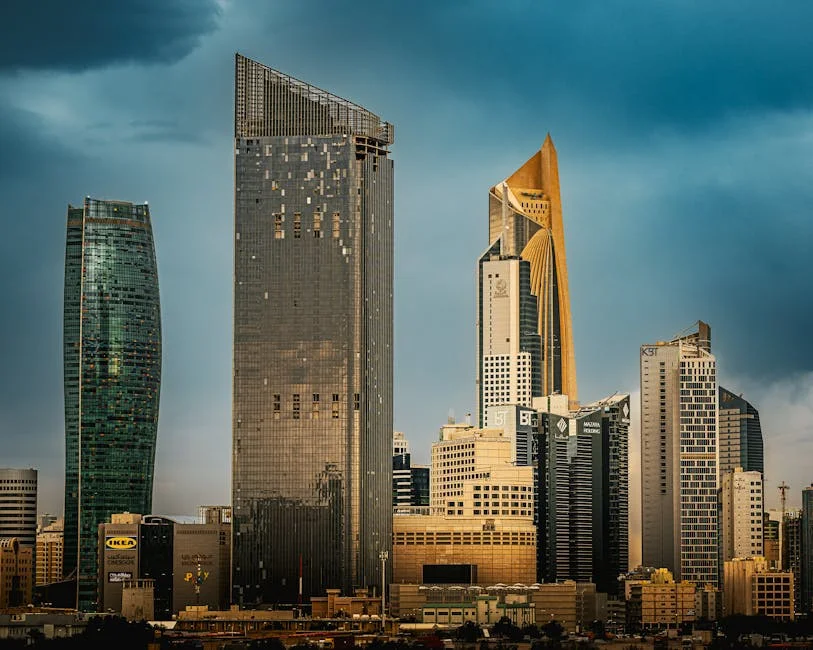
Kuwait, among other Gulf countries, has been at the forefront of voicing concerns about the reliability of the US as a security partner. A senior Kuwaiti official stated, "We have always protected America, not vice versa. Our contributions to regional stability go far beyond financial support."
Historical Context and Current Challenges
The relationship between the United States and Gulf states dates back decades, with the US playing a pivotal role in ensuring regional stability through military presence and strategic alliances. However, recent geopolitical shifts, including increased tensions with Iran and evolving regional dynamics, have put this relationship under scrutiny.
The ongoing trade war between the US and China, coupled with the administration's emphasis on 'America First,' has led to a reevaluation of the benefits of the current security setup. Gulf states are now considering how they can bolster their own defences and reduce reliance on external powers.
Economic Impact on Citizens and Communities
The economic implications of this shift are significant for Gulf citizens and communities. The reduction in military spending due to decreased reliance on US forces could redirect funds towards domestic projects, potentially improving infrastructure and services for residents.
However, there are also risks associated with the transition. Should the region face heightened security threats, the absence of a robust US-led security umbrella could leave Gulf states vulnerable, impacting public safety and economic stability.
Social Impact and Community Response
The social fabric of Gulf societies is closely tied to the perception of national security. A growing sense of self-reliance among Gulf citizens has been fuelled by the rhetoric from both sides, leading to a nuanced debate within communities.
Public opinion polls suggest a mixed reaction, with some segments of society supporting the idea of greater autonomy and others concerned about potential instability. Community leaders and influencers are engaging in dialogue to address these concerns and shape a collective vision for the future.
Consequences and What to Watch Next
The current state of affairs presents both opportunities and challenges for Gulf states. On one hand, increased self-sufficiency could enhance national pride and resilience. On the other, the geopolitical landscape remains unpredictable, with potential new threats emerging.
As Gulf nations reassess their security strategies, observers will be watching closely for signs of cooperation or conflict within the region. The coming months may see intensified efforts to strengthen intra-Gulf ties and explore alternative security partnerships.