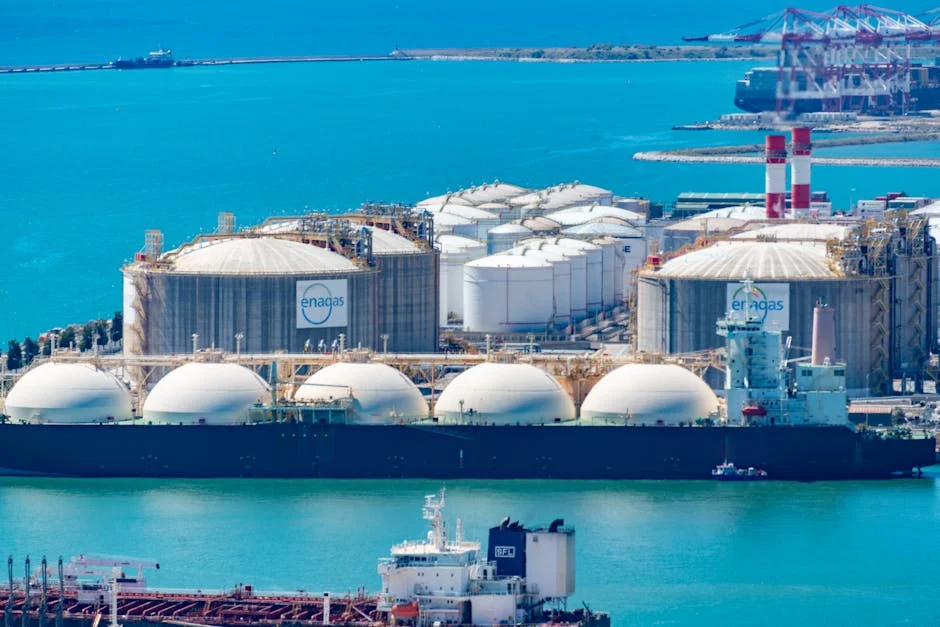
The Indian government has announced that it will ensure a 70% supply of liquefied natural gas (LNG) to fertiliser plants across the country, aiming to stabilise prices and support the agricultural sector. This move comes amid concerns over rising costs and potential shortages affecting farmers and the broader rural economy.
Fertiliser Industry Faces Challenges
The decision by the government to guarantee a significant portion of LNG supply to fertiliser plants addresses ongoing issues within the industry. Over the past few months, fertiliser manufacturers have faced challenges due to fluctuations in global energy prices and limited domestic supplies. These factors have led to increased production costs and uncertainty about future availability, which could potentially lead to higher prices for farmers.
Government's Commitment to Agriculture
In a press conference held earlier today, Minister of Chemicals and Fertilizers, Mr. Mansukh Mandaviya, highlighted the government’s commitment to supporting the agricultural sector. He stated, “This assurance is part of our ongoing efforts to ensure that farmers have access to affordable fertilisers. We understand the critical role that fertilisers play in sustaining crop yields and food security.” The minister further explained that the government would work closely with fertiliser companies to monitor supply levels and adjust as necessary to meet the needs of farmers.
politics-governance · Government Guarantees 70% LNG Supply to Fertiliser Plants - What It Means for Farmers
Economic Impact on Farmers
For farmers, the guaranteed LNG supply is expected to have a direct positive impact on their livelihoods. With stable fertiliser prices, they can plan their cultivation cycles more effectively without worrying about sudden spikes in input costs. Dr. Ramesh Chand, an agricultural economist, noted, “Affordable fertilisers are crucial for maintaining soil health and increasing productivity. This government initiative will help in reducing the financial burden on farmers and ensuring better returns from their crops.”
Social and Community Response
The announcement has been met with relief among farming communities, particularly in states like Punjab, Haryana, and Uttar Pradesh, where agriculture is a major source of income. Farmers' unions have expressed gratitude towards the government for taking such proactive measures. However, there are also calls for continuous monitoring to ensure that the promised supply levels are maintained throughout the year.
Future Outlook and Next Steps
While the immediate focus is on stabilising current supply chains, the government is also looking ahead to address long-term sustainability. Plans include exploring alternative energy sources for fertiliser production and enhancing domestic production capacities to reduce reliance on imported LNG. Additionally, there are discussions about improving distribution networks to reach remote areas more efficiently, thereby benefiting a larger number of farmers.
The government’s commitment to securing LNG supply for fertiliser plants underscores its dedication to supporting the agricultural sector and the welfare of farmers. As the implementation of these measures unfolds, it remains crucial to monitor their effectiveness and adapt strategies based on feedback from the field.