Floating Factories Slam Bubaque's Fishing Industry - Impact on West Africa Explained
Pedro Luis Pereira Reveals Concerns Over Fishing Stocks
Pedro Luis Pereira, the Minister of Fisheries in Guinea-Bissau, has expressed deep concern over the depletion of local fish stocks due to the activities of industrial fishing vessels. This issue not only affects the economic backbone of Bubaque, a small island off the coast of Guinea-Bissau, but also impacts the entire west African region.
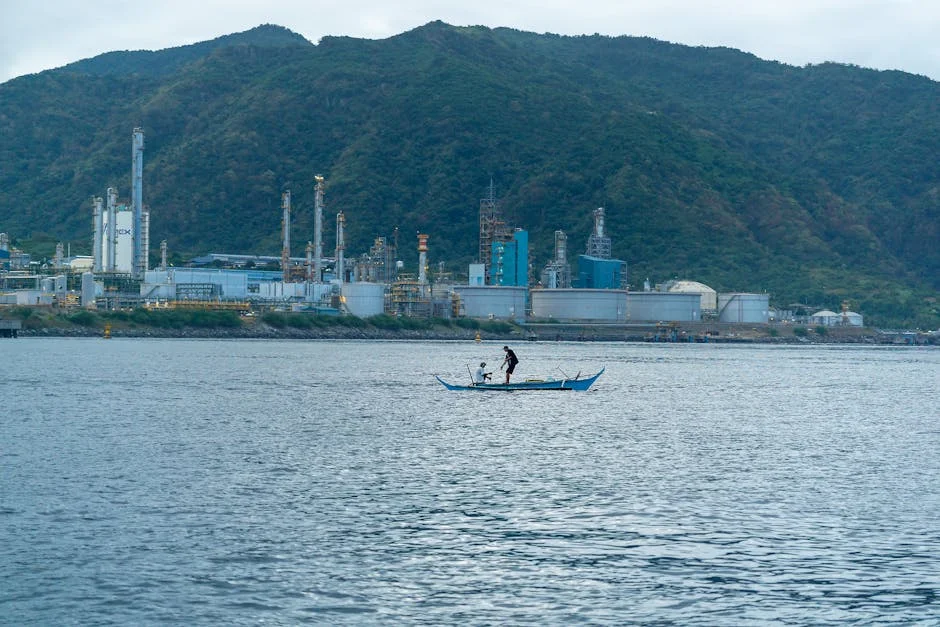
The minister highlighted that large-scale industrial fishing operations, often referred to as "floating factories," have been operating near Bubaque for several years. These vessels, which can process and freeze thousands of tonnes of fish at sea, pose a significant threat to the sustainability of local fisheries.
Bubaque's Vital Role in West Africa's Fishing Economy
Bubaque, known as the "Galápagos of west Africa" for its rich biodiversity, plays a crucial role in the local and national economies of Guinea-Bissau. The island's coastal waters are home to a wide variety of fish species, making it an important destination for both local fishermen and international fleets.
The influx of industrial fishing vessels has put immense pressure on the marine resources around Bubaque. Local fishermen report smaller catches and fewer fish overall, leading to decreased income and hardship for many families who rely on fishing for their livelihood.
Economic Impact on Citizens and Communities
The economic impact of reduced fish stocks is felt acutely in Bubaque and surrounding areas. With fewer fish to catch, local fishermen struggle to earn a living, leading to increased unemployment and poverty. The ripple effect extends to related industries such as fish processing and retail, where businesses also face challenges due to lower supply volumes.
In addition to the direct financial impact, the depletion of fish stocks also affects the cultural fabric of the region. Fishing traditions and practices, passed down through generations, are at risk as younger people may be less inclined to pursue a career in fishing due to the perceived instability and lower earnings.
Community Response and Efforts to Protect Marine Resources
The residents of Bubaque and other coastal communities have responded to the threat posed by industrial fishing with a range of initiatives aimed at protecting their marine resources. Local conservation groups have worked closely with government officials to advocate for stricter regulations on fishing quotas and seasonal restrictions.
Moreover, community-led projects have focused on sustainable fishing practices, such as using traditional methods that cause less damage to the marine ecosystem. These efforts aim to strike a balance between maintaining the local fishing industry and preserving the health of the ocean environment.
Looking Ahead: What to Watch For
The future of Bubaque's fishing industry hinges on the success of ongoing efforts to manage fish stocks sustainably. Key indicators to watch include changes in fishing regulations, the implementation of community-based conservation measures, and improvements in the quality and availability of fish for local markets.
As the "Galápagos of west Africa," Bubaque holds a special place in the hearts of many locals and visitors alike. By safeguarding its unique marine ecosystems, the island can continue to thrive as a hub of biodiversity and a source of prosperity for its inhabitants.