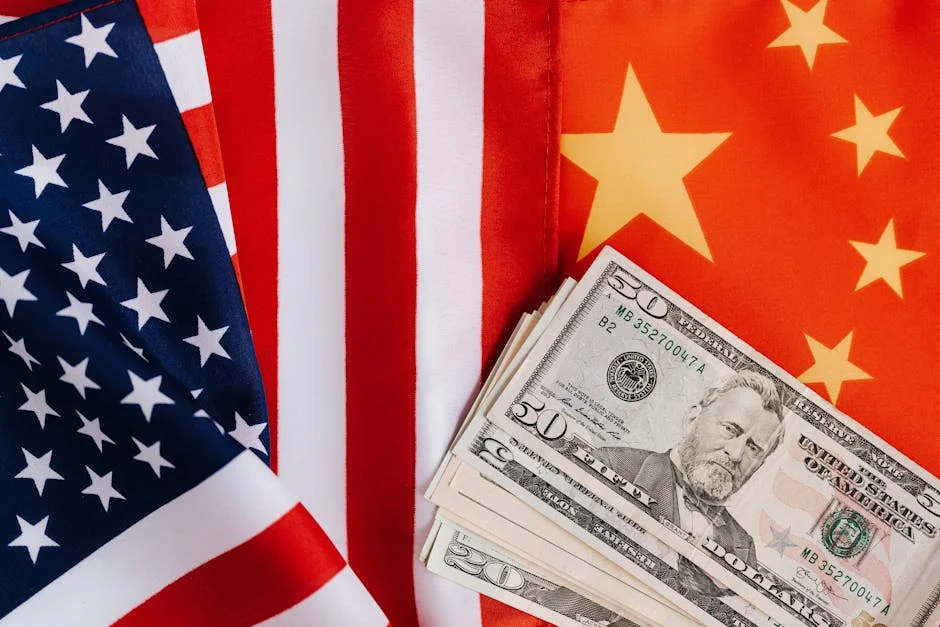
The European Council has decided to extend sanctions against Russian individuals and entities for six months, a move that could have significant implications for the lives of citizens in the affected regions.
Economic Impact on Local Communities
The extension of these sanctions means that local businesses in the regions most closely tied to trade with Russia will continue to face challenges. In particular, small and medium-sized enterprises (SMEs) that rely on cross-border trade may see reduced profits as tariffs and import/export restrictions remain in place. This affects not just business owners but also local employees who depend on steady income from these companies.
Moreover, the ongoing sanctions contribute to higher prices for goods imported from Russia, which can be felt by consumers across the board. For instance, everyday items such as food and fuel might become more expensive, putting pressure on household budgets.
Social Impact on Citizens
The continued presence of sanctions also has social implications. Families and friends living in border areas often maintain close ties with counterparts in Russia, and these personal connections can be strained due to travel and communication difficulties caused by the sanctions. Additionally, cultural exchanges, such as student exchanges and academic collaborations, may be impacted, limiting opportunities for young people to experience different cultures and gain international perspectives.
In educational institutions, there could be fewer opportunities for students to study abroad in Russia, which traditionally offers rich cultural experiences and valuable learning opportunities. This could be particularly noticeable in universities and colleges that have strong partnerships with Russian institutions.
Community Response and Adaptation
The decision to extend the sanctions has been met with a mix of reactions from local communities. While some express concern about the economic and social effects, others see it as an opportunity for innovation and growth. Local businesses are adapting by diversifying their product offerings and exploring new markets beyond Russia. Some have even reported success in forging stronger trade relationships with neighbouring countries, which has helped to offset some of the losses from reduced trade with Russia.
Citizens are also finding ways to support each other through community initiatives. For example, local food banks and charities have seen increased donations and volunteerism as people come together to help those facing financial hardships due to the higher costs of living.
Future Outlook for the Region
As the sanctions remain in place, it is important to keep an eye on how they evolve over time. The European Council will continue to review the situation regularly, and any changes could significantly affect the local economy and social landscape. For now, the focus remains on adaptation and resilience within the communities most impacted by these measures.
Local leaders and business owners are looking ahead to potential opportunities for growth and collaboration, even as they navigate the current challenges. With continued support and ingenuity, the regions affected by the sanctions can look forward to a future where they thrive despite these ongoing economic pressures.