Ethiopia's government has raised alarms over the potential resurgence of conflict in the Tigray region, a situation that could dramatically affect local communities and the overall stability of the nation. With tensions escalating as of late October 2023, many citizens are left wondering what this means for their daily lives and safety.
Government Accusations and Rising Tensions
In a recent statement, Prime Minister Abiy Ahmed's administration accused Tigray People's Liberation Front (TPLF) forces of mobilising for a possible return to armed conflict. This alarming development follows a fragile ceasefire that had been in place since late 2022, which was intended to allow humanitarian aid to flow into the region, severely affected by the previous war.
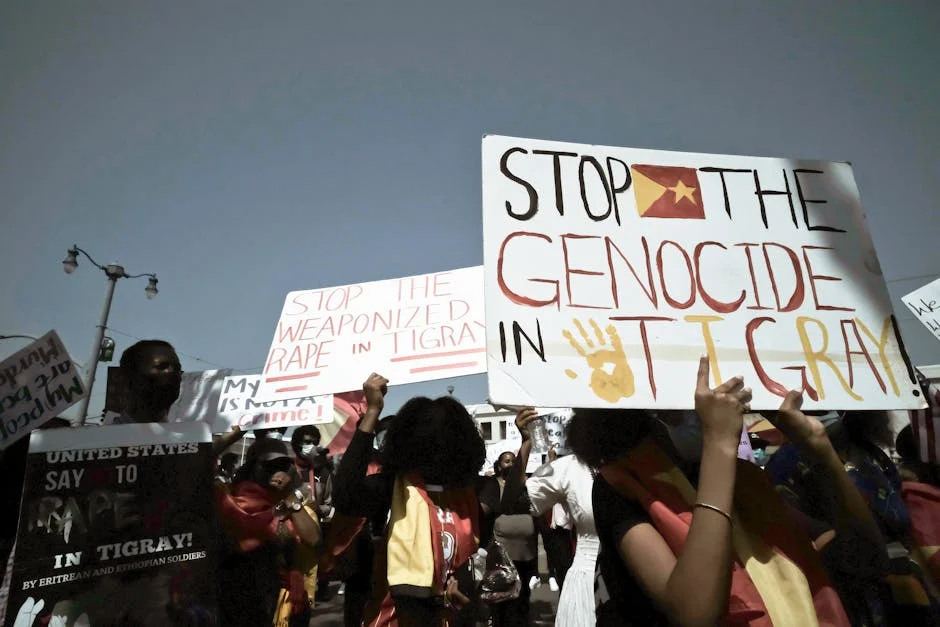
The Tigray region has been a hotspot for conflict since a civil war erupted in November 2020, leading to widespread devastation and humanitarian crises. Many analysts today are closely monitoring the situation, as the stakes for local communities are high.
The Humanitarian Impact on Tigray’s Citizens
Over the last two years, the Tigrayan population has suffered immensely. The United Nations estimates that over 5 million people in the region are in urgent need of humanitarian assistance. Renewed fighting could jeopardise efforts to rebuild lives and restore essential services.
A local resident, who wished to remain anonymous, shared, "We are still recovering from the last conflict, and the thought of going back to war is terrifying. Our families need peace to survive, not more violence." This sentiment is echoed across the region, where daily life has been marred by uncertainty and fear.
Economic Repercussions: Who Will Suffer?
The escalating situation in Tigray is likely to have severe implications for the local economy. Tigray, once an agricultural backbone, has seen its economy crippled by conflict. Farmers are struggling to plant crops due to insecurity, leading to food shortages that affect not only Tigray but also the broader Ethiopian market.
Local businesses are already feeling the pinch, with many shops closing due to fear of violence. Economic analysts warn that renewed conflict could destabilise the entire region, affecting trade routes and increasing prices for essential goods. This could have a ripple effect that reaches as far as India, where economic ties with Ethiopia are significant.
Community Responses and Calls for Peace
In response to the growing threats, community leaders and NGOs are stepping up efforts to promote peace and dialogue. Many grassroots organisations are mobilising to encourage discussions among rival factions, hoping to prevent further violence.
One prominent local activist stated, "We cannot afford to go back to war. Our focus now is on healing and rebuilding our community. We urge leaders on both sides to choose dialogue over conflict." The collective voice of local citizens is crucial in shaping a peaceful resolution.
What’s Next? Watchful Eyes on Tigray’s Future
The international community is also paying close attention to developments in Tigray. There are increasing calls for intervention to prevent another humanitarian disaster, as many fear that further conflict could lead to a mass exodus of refugees.
As Ethiopia stands on the brink of potential warfare, the lives of millions hang in the balance. Local communities are urged to remain vigilant and united, advocating for peace while preparing for the worst. The situation remains fluid, and citizens are left waiting, hoping for a resolution that prioritises human dignity and safety.