Ethiopia has rejected calls for a ceasefire in the Tigray region, raising fears of a return to full-scale conflict. The decision comes as tensions continue to escalate amid ongoing military operations, with reports of increased violence and displacement affecting thousands of civilians.
Escalating Violence Threatens Civilians
The rejection of a ceasefire by Ethiopian officials has heightened concerns over the safety of civilians in Tigray. Since the conflict began in November 2020, the region has witnessed significant human suffering, including widespread food shortages and access to basic healthcare. According to the United Nations, nearly six million people in Tigray are in urgent need of aid, with many facing severe malnutrition.
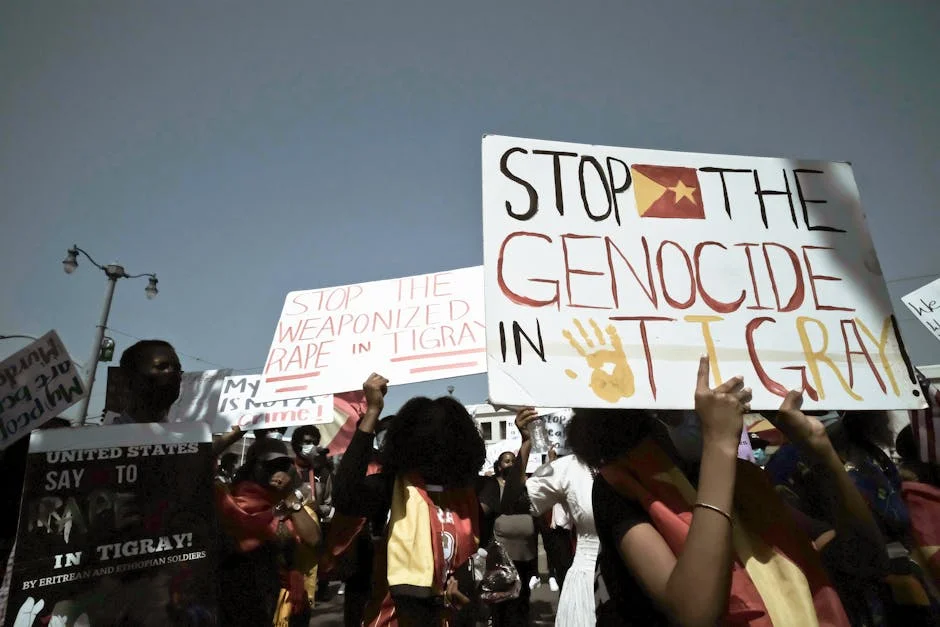
The recent escalation in hostilities has forced thousands of residents to flee their homes, seeking refuge in neighbouring regions or camps. This mass displacement has put immense strain on local resources and infrastructure, exacerbating existing challenges such as overcrowding and limited access to clean water.
Economic Impact on Local Communities
The ongoing conflict has had devastating effects on the local economy, particularly in Tigray. Agriculture, which forms a significant part of the region's livelihood, has been severely disrupted due to the destruction of crops and farmland. Farmers have reported difficulties in accessing seeds and fertilisers, leading to reduced harvests and economic instability.
Moreover, businesses in the region have struggled to operate under the prevailing conditions of insecurity and curfews. Retailers, traders, and service providers have faced financial losses, contributing to a broader economic downturn. The lack of trade and commerce has also affected the availability of essential goods, further impacting daily life for residents.
Social Impact and Community Response
The social fabric of Tigray has been severely tested by the prolonged conflict. Families have been separated, with many members displaced or unable to contact loved ones due to communication disruptions. Schools and educational institutions have remained closed for extended periods, depriving children of their right to education and jeopardising future opportunities.
In response to the crisis, local communities have shown remarkable resilience and solidarity. Grassroots organisations and volunteer groups have stepped up to provide assistance, distributing food and supplies to those in need. However, these efforts are often hampered by logistical challenges and the sheer scale of the humanitarian emergency.
International Reactions and Diplomatic Efforts
The international community has expressed deep concern over the situation in Tigray and called for an immediate cessation of hostilities. Diplomatic channels have been active, with various countries and international bodies urging all parties to engage in dialogue and find a peaceful resolution.
Regional leaders, including representatives from the African Union, have played a crucial role in mediating discussions between Ethiopian authorities and the Tigray People’s Liberation Front (TPLF). These efforts aim to address the underlying political tensions and pave the way for a sustainable peace agreement.
Consequences and Future Outlook
The rejection of the ceasefire proposal raises serious questions about the prospects for peace in Tigray. Continued military actions could lead to further displacement and suffering for civilians, potentially triggering a wider regional crisis. The humanitarian community remains vigilant, ready to respond to any emerging needs but constrained by the volatile security environment.
Citizens and communities in Tigray are closely watching the developments, hoping for a swift resolution that prioritises their safety and well-being. As the situation unfolds, it is imperative that all stakeholders work towards de-escalation and the establishment of a lasting peace.