The Directorate of Technical Education (DTC) has mandated that colleges and schools across the region adhere to stringent safety norms following a series of alarming incidents. This directive, issued on Monday, aims to enhance the safety of students and staff in educational institutions throughout the area.
Recent Incidents Prompt Urgent Action
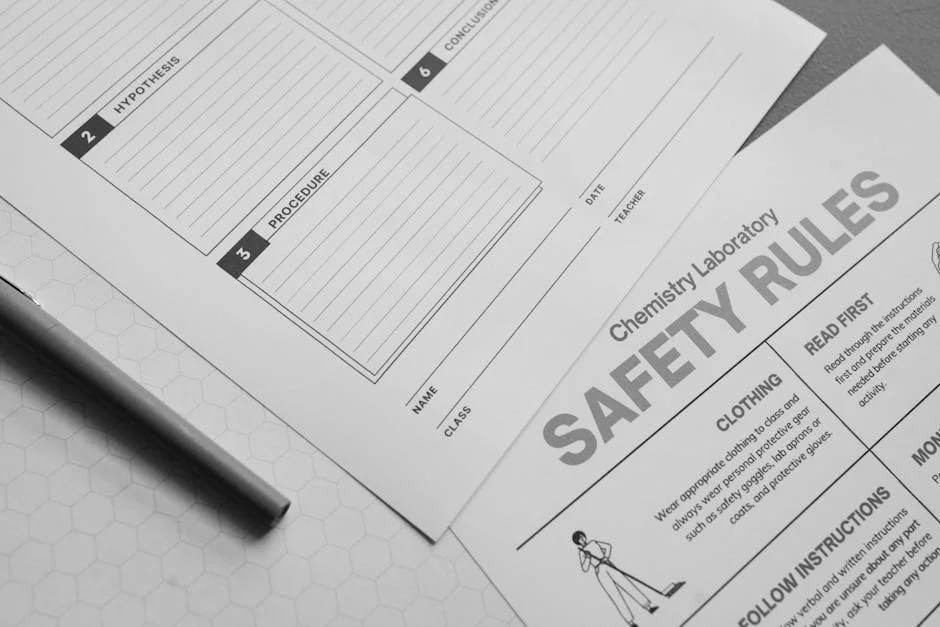
In light of recent events, including a fire outbreak at a local college and incidents of violence on campus, the DTC has taken a firm stance to ensure that safety standards are prioritised. The directive outlines specific measures that institutions must implement, such as regular safety drills, installation of fire safety equipment, and mental health support systems. These requirements are designed to protect students and staff alike, aiming to prevent future tragedies.
Community Response to the Directive
The DTC’s announcement has been met with a mixture of relief and concern among parents, educators, and students. Many applaud the decision as a necessary step towards creating a safer learning environment. A parent of a student at a local college expressed, "We have been worried about our children's safety, especially after the recent incidents. This new directive gives us hope that measures will be taken to protect them." However, some educators worry about the feasibility of implementing these norms while maintaining academic standards.
Impact on Local Economy and Employment
The enforcement of these safety norms is expected to have a ripple effect on the local economy. Educational institutions are significant employers in the region, and ensuring safety may require hiring additional staff for security and maintenance. Furthermore, institutions that fail to comply with DTC regulations may face penalties, which could lead to financial strain or even closures. This concern raises questions about job security for educators and staff, as well as the potential impact on students’ educational opportunities.
What Comes Next for Schools and Colleges
As schools and colleges prepare to comply with the DTC's requirements, stakeholders are keenly observing how this will unfold. Institutions have been given a timeline to implement the necessary changes, and many are initiating discussions on how best to meet the new standards. The DTC has emphasised that it will conduct regular inspections to ensure compliance, which could influence the operations of these institutions significantly.
Conclusion: A New Era of Safety in Education
Ultimately, the DTC's directive represents a critical shift in how educational institutions prioritise safety. With heightened awareness of security issues in schools, the community is hopeful that these measures will not only protect students but also foster a sense of trust and security within educational environments. As these developments unfold, all eyes will be on how effectively schools and colleges can implement these new norms, marking a pivotal moment for educational safety in the region.