Dentists in England have returned £900m to the National Health Service (NHS) after failing to meet patient care targets, a move that has sparked concerns about access to dental services across the country. The repayment, confirmed by NHS England, stems from a 2022-2023 review that found many private dental practices did not fulfill their obligations to treat NHS patients, leading to a financial shortfall. This development highlights growing tensions between the NHS and dental providers, with local communities facing potential disruptions in healthcare access.
Financial Reckoning for Dental Practices
The £900m repayment was part of a broader audit of NHS contracts with private dental practices, which revealed that over 1,200 clinics failed to meet agreed-upon patient quotas. NHS England stated that the funds were recovered to ensure fair distribution of resources, but some dentists argued the process was rushed and did not account for regional variations in demand. “This decision impacts not just our finances but also our ability to serve patients in rural and underserved areas,” said Dr. Emily Carter, a dentist in Yorkshire.
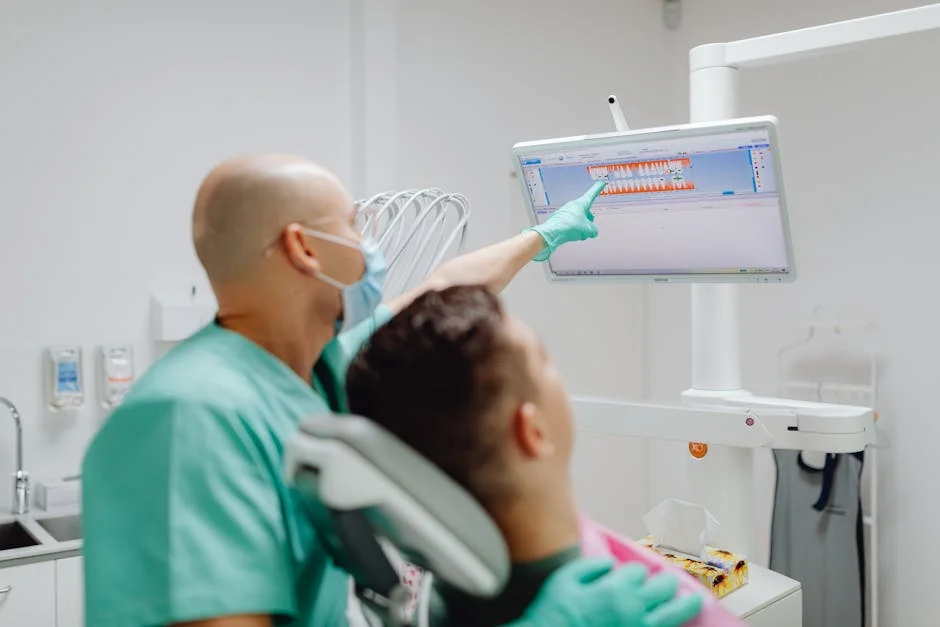
The repayment has also raised questions about the sustainability of NHS dental contracts. A 2023 report by the Royal College of Dental Surgeons noted that 40% of practices in the south of England reported reduced capacity due to staffing shortages, compounding the challenge of meeting targets. Local authorities now face pressure to negotiate new agreements to prevent further service gaps.
Impact on Local Communities
Residents in towns like Derby and Leicester have reported longer waiting times for dental appointments since the review. In Derby, a local NHS trust reported a 25% increase in patient complaints about delayed care. “My child’s routine check-up was postponed by three weeks,” said Sarah Mitchell, a parent. “It’s frustrating when services we rely on aren’t consistent.”
The financial adjustment has also affected the local economy. Dental practices contribute significantly to small businesses, and some clinics have had to reduce staff or close temporarily. In Leicester, two practices merged to stay afloat, while others shifted to part-time operations. “This isn’t just about numbers—it’s about the people who depend on these services daily,” added local councilor Raj Patel.
Calls for Revised Contract Models
Dental associations are urging the NHS to adopt a more flexible approach to contracts, citing the need to adapt to fluctuating patient numbers. A proposed model would link payments to actual service delivery rather than fixed targets. “This could prevent future disputes and ensure fairer support for practices,” said Dr. Amina Khan, a spokesperson for the British Dental Association.
Regional health officials are also exploring partnerships with private clinics to expand access. In the east of England, a pilot scheme aims to integrate 50 new practices into the NHS network by 2024. “These collaborations are vital for maintaining quality care,” said NHS regional director Mark Thompson. “We’re committed to finding solutions that benefit both providers and patients.”
Looking Ahead: Balancing Budgets and Care
The repayment has intensified debates about the long-term viability of NHS dental contracts. With rising costs and staff shortages, experts warn that without reforms, service gaps could widen. “This is a critical moment for dental care in England,” said Dr. James Wilson, a health policy analyst. “The NHS and dentists need to work together to avoid further strain on communities.”
As discussions continue, citizens remain hopeful for stable, accessible care. For now, the focus is on ensuring that the £900m repayment does not overshadow the broader goal of improving dental health across the region. “Our patients deserve consistent support,” said NHS England’s chief officer. “We’re determined to get this right.”