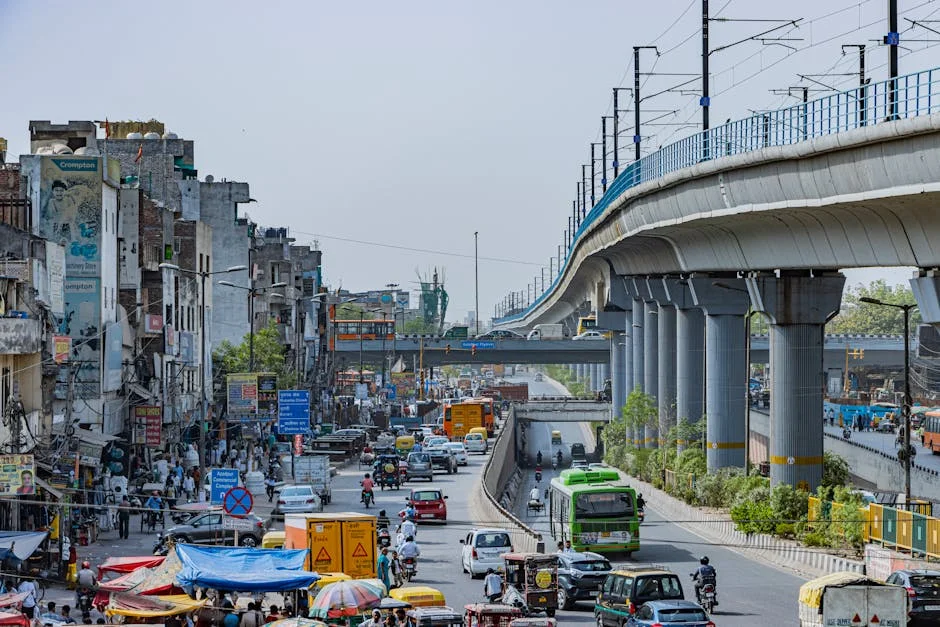
The Indian National Congress has raised serious concerns regarding the U.S. government's pressure on India over its continued purchase of Russian oil. This questioning follows a recent 30-day waiver granted by the U.S. to its allies, sparking fears of geopolitical repercussions for India. The Congress party claims that this 'blackmail' undermines India's sovereignty and its economic stability.
Congress Calls Out Centre's Response to U.S. Demands
The Congress party has been vocal about its disapproval of the Central government’s handling of foreign relations, particularly concerning energy imports from Russia. With the ongoing war in Ukraine and sanctions imposed on Moscow, the U.S. has issued a 30-day waiver allowing certain nations to continue buying Russian oil. Congress argues that this waiver reflects a larger strategy of 'blackmail' at play, compelling India to conform to U.S. interests.
Why Russian Oil Matters for India’s Economy
India has significantly increased its imports of Russian oil, making up a large portion of its energy needs amid rising global prices. As a developing nation, reliant on energy imports, India's ability to negotiate favourable terms is crucial for its economy. The Congress party emphasises that any U.S. intervention could jeopardise these negotiations, ultimately affecting the cost of fuel for Indian citizens. Consumer prices at petrol pumps are already at an all-time high, with citizens feeling the pinch daily.
The Social Impact: Citizens React to Rising Fuel Prices
As the Congress party raises questions about foreign policy, citizens are increasingly frustrated with the rising fuel costs. Many have taken to social media platforms to express their discontent, linking the price hikes to government inaction and the pressures from international allies. Local economies, particularly in rural areas where transportation costs are pivotal, are being heavily impacted. Small businesses that rely on affordable fuel are struggling to maintain operations, leading to layoffs and reduced services.
Community Responses: Mobilising Against Price Hikes
In response to rising costs, community groups across India are mobilising to challenge the government’s policies. Protests have begun to surface in various cities, with citizens demanding accountability and transparency in energy imports. The Congress party is leveraging this discontent, pushing for a parliamentary discussion on the matter and calling on the Centre to protect India's interests in the global market.
Looking Ahead: What Comes Next for India’s Energy Strategy?
As political tensions mount, the next steps for India's energy strategy remain uncertain. The Congress party demands that the government provide clarity on its stance regarding U.S. pressures and future oil purchases from Russia. Citizens will be watching closely for any government announcements or policy shifts that could affect fuel prices and economic stability. With the ongoing war in Ukraine and geopolitical dynamics constantly evolving, how the Centre navigates these challenges will have significant implications for Indian communities and the economy at large.