In a recent development that could have significant implications for Nigeria's legal and political landscape, Obi has called for a fair trial for El-Rufai. The demand was made as the Abuja Presidential election tribunal prepares to hear charges against El-Rufai. Obi warned against selective justice, underscoring the importance of impartiality in high-profile legal proceedings.
Details of the Case Against El-Rufai
The trial in question involves charges of corruption and misuse of office against El-Rufai, a prominent political figure in Nigeria. The allegations, if proven true, could have severe consequences for his political career. The case is being handled by the Abuja Presidential election tribunal, a body known for its rigorous legal processes. However, concerns about the fairness and impartiality of these proceedings have been raised, prompting Obi's public call for a fair trial.
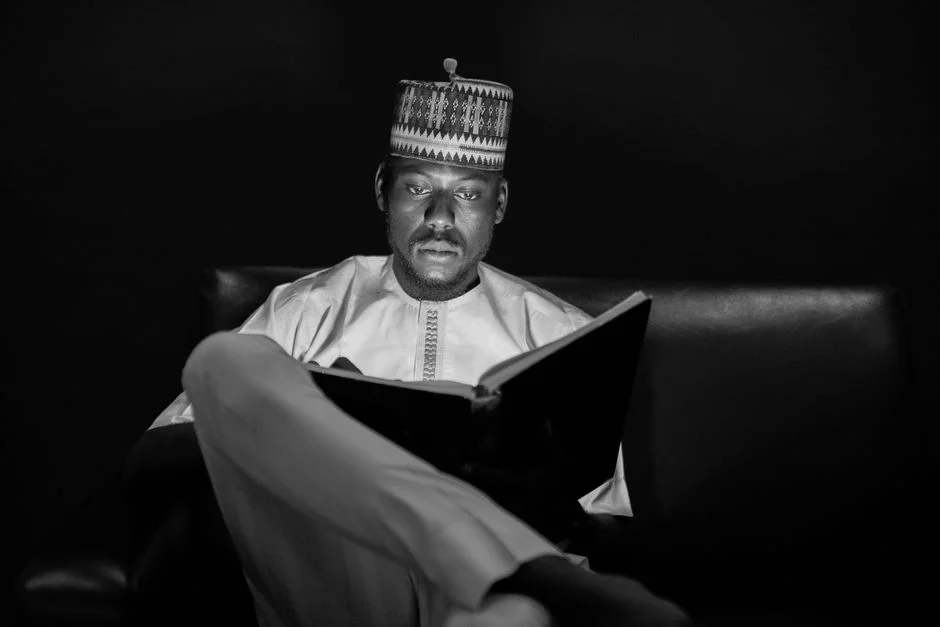
The legal battle is not just a test for El-Rufai but also for Nigeria's judicial system. Observers are closely watching how the tribunal will manage this high-profile case amid accusations of political bias. The outcome of this trial could set a precedent for how corruption cases involving senior politicians are handled in the future.
Historical Context and Background
Nigeria has a long history of political and judicial challenges, particularly concerning corruption cases. The country has struggled with corruption across various levels of government, leading to public disillusionment and calls for reform. The trial of El-Rufai fits into a broader pattern of the Nigerian judiciary being scrutinized for its handling of cases involving high-profile individuals.
In recent years, there have been several instances where the judicial system was accused of being used as a tool for political vendettas. These concerns have led to widespread debate about the independence of Nigeria's legal institutions. Obi's demand for a fair trial reflects broader public anxiety about the potential for political interference in the judiciary.
The Stakes: Why Obi's Demand Matters
The stakes of this trial extend beyond El-Rufai himself. It raises critical questions about the integrity of Nigeria's judicial system and the potential impact on governance. A fair trial is essential not just for justice but also for maintaining public trust in the legal system.
Political observers argue that the outcome of this trial could either reinforce or undermine efforts to combat corruption. A transparent process may bolster confidence in the government's anti-corruption agenda, whereas any indication of bias or manipulation could lead to further scepticism.
Key Players and Institutions Involved
As the trial unfolds, several key players and institutions will play pivotal roles. The Abuja Presidential election tribunal, which is overseeing the case, is tasked with ensuring a fair and transparent legal process. Its decisions will be under intense scrutiny from both domestic and international observers.
El-Rufai, the defendant, is a well-known figure in Nigeria. His political career and influence add an additional layer of complexity to the proceedings. Meanwhile, Obi, who has emerged as a vocal advocate for justice, is leveraging his platform to demand transparency and fairness.
Reactions and Positions from Stakeholders
Public reactions to Obi's demand have been mixed. Some view it as a necessary step to ensure justice, while others see it as political manoeuvring. Various political groups have weighed in, reflecting a spectrum of opinions on the matter.
Critics argue that Obi's intervention could be seen as an attempt to influence the trial's outcome. However, his supporters maintain that his call for fairness is a legitimate response to concerns about selective justice. This divergence in viewpoints underscores the polarized nature of political discourse in Nigeria.
Broader Implications for Nigeria and Beyond
The implications of this trial are far-reaching. It is not only a litmus test for Nigeria's judicial system but also a reflection of broader challenges facing the country. Issues of corruption, governance, and judicial independence are prominent in many African nations, making this case a focal point for broader regional discussions.
Furthermore, the trial may influence international perceptions of Nigeria's commitment to fighting corruption. A fair and transparent process could attract positive attention, while any legal missteps might deter foreign investment and diplomatic engagement.
What to Watch Next
As the trial progresses, key dates and decisions will be crucial for observers. The tribunal's rulings, any appeals, and the reactions of political stakeholders will provide further clarity on the case's trajectory. Additionally, the broader political environment in Nigeria will continue to shape how this trial and other similar cases are perceived.
The coming months will be pivotal in determining not only the outcome for El-Rufai but also the future direction of Nigeria's legal and political systems. Observers should watch for any shifts in judicial processes or political alliances that may arise as a result of this trial.
See Also
- India, Canada Launch Trade Forum to Reset Strained Relationship
- Pakistan Demands Action on Taliban — Tensions Threaten Border Communities