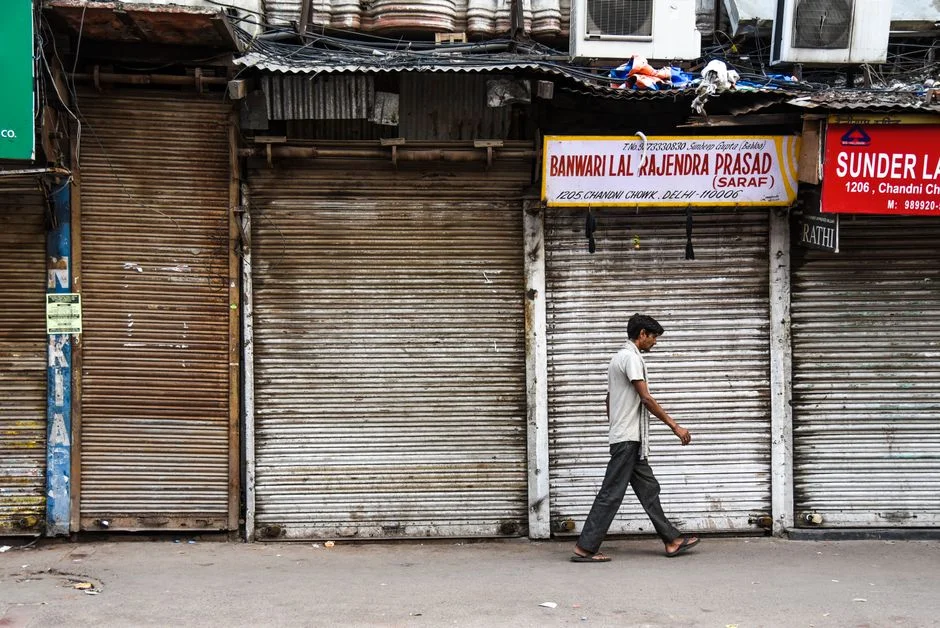
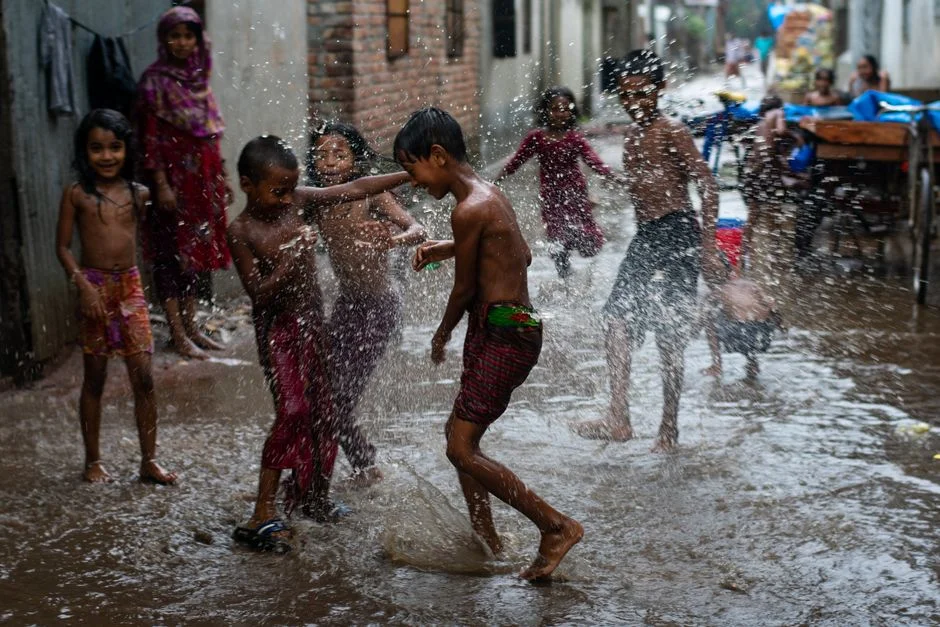
The southwest monsoon reached Delhi on Friday, arriving five days behind its typical schedule and bringing some relief after weeks of intense summer heat. The India Meteorological Department confirmed the onset, marking the official start of the four-month rainy season in the capital. Light to moderate rainfall was reported across several neighbourhoods on Friday morning.
Why the Delay Happened
Meteorologists attributed the late arrival to weak wind patterns over the Bay of Bengal, which slowed the monsoon's progress northward. The IMD had initially predicted the monsoon would hit Delhi around June 21. Instead, the capital endured an extended spell of temperatures above 40 degrees Celsius, creating uncomfortable conditions for millions of residents. Hot and dry westerly winds dominated the region for most of June, preventing the usual moisture-laden monsoon currents from advancing.
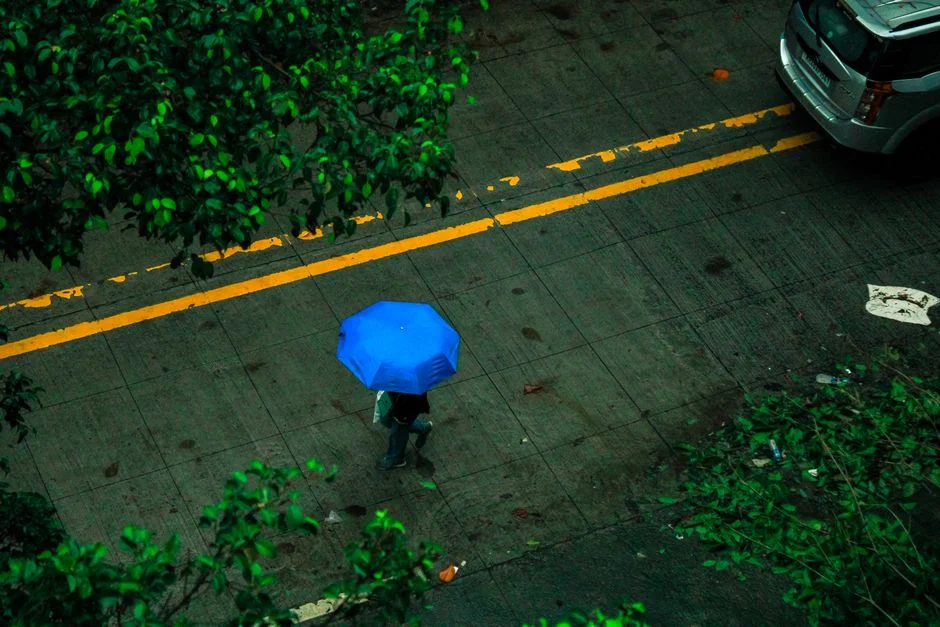
The delay was not unique to Delhi. Neighbouring states including Haryana and Uttar Pradesh also experienced similar setbacks, with the monsoon arriving two to four days behind schedule in those regions. The IMD's regional office in New Delhi had been monitoring conditions closely, issuing regular updates as the delay became apparent.
What the Late Arrival Means for Water Supplies
Delhi receives nearly 80 percent of its annual rainfall during the monsoon season. The five-day delay means the city's reservoirs have less time to fill before the season ends in September. Water officials told local media that groundwater levels and reservoir capacities would need several weeks of consistent rainfall to reach normal levels. The Capital's municipal corporation has already started preparing for potential water shortages in areas that rely on groundwater sources.
Residents React to First Rains
People across Delhi took to social media to share videos and photos of the rain, calling it a long-awaited reprieve. In areas like South Delhi and Gurgaon, streets that had been coated with dust saw immediate improvement as the rain washed away accumulated pollution.Temperatures in the capital dropped sharply on Friday, with the maximum temperature falling to 32 degrees Celsius compared to 43 degrees a day earlier.
Shopkeepers near the IGI Airport area said business had been difficult during the heat wave. One vendor selling cold drinks said his sales dropped by half during the worst of the heat. "Now, finally, people are coming out," he said on Friday afternoon. The change in weather was noticeable across commercial areas, with outdoor markets seeing more foot traffic than they had in weeks.
The Week Ahead
The IMD has forecast intermittent rainfall for Delhi over the next several days, with heavy showers possible in some areas. The weather office has warned of potential waterlogging in low-lying areas, particularly in parts of East Delhi and the Yamuna floodplains. City drainage crews were deployed to key intersections on Friday in preparation for the rain.
Traffic police in New Delhi advised commuters to expect slower movement on roads during peak rainfall periods. The Delhi Traffic Police issued an advisory urging drivers to maintain safe distances and avoid routes known for flooding during heavy rain.
Farmers and Rural Areas
The delay in monsoon onset has implications for agriculture in the surrounding states of Punjab, Haryana, and Western Uttar Pradesh. Farmers in these regions typically wait for the monsoon to begin planting kharif crops such as rice, cotton, and maize. A five-day delay translates to a later start to the planting season, which could affect crop yields if the monsoon remains inconsistent throughout the season.
Agricultural economists told local media that a delayed monsoon could push back the entire agricultural calendar by a week or more. Seed and fertiliser distribution networks have been instructed to prepare for accelerated demand once conditions improve.
Air Quality Improves
Delhi's air quality, which had deteriorated significantly during the dry summer months, showed immediate improvement following Friday's rainfall. The Central Pollution Control Board recorded an AQI of 62 in the afternoon, down from the poor category readings of above 200 that had become common in June. Dust particles were largely settled by the rain, and air across most monitoring stations fell into the satisfactory category for the first time in weeks.
Residents of areas near major construction zones reported a noticeable reduction in dust and particulate matter. Environmental groups welcomed the change but noted that the improvement would be temporary unless the rains continue consistently through the season.
What to Watch Next
The IMD will release its monthly rainfall update for July next week. That report will determine whether the delayed monsoon has any long-term implications for the season's overall performance. Officials have advised residents to stay updated through the IMD website and local news outlets for the latest forecasts.
Delhi's civic authorities are expected to convene next week to review drainage systems and flood preparedness measures. A second round of monsoon-related assessments is planned for mid-July, when the city typically sees its heaviest rainfall. The coming weeks will reveal whether the delayed arrival was a brief interruption or the start of a more erratic monsoon pattern for the capital region.
See Also
- Indian Government Probes Hacking Claims as School Exams Face Major Controversy
- Cockroach Janta Party Protest Hits Delhi at 10am — Jantar Mantar Rally Begins
What is the latest news about monsoon finally reaches delhi five days late after brutal heat wave?
Why does this matter for crime-law?
What are the key facts about monsoon finally reaches delhi five days late after brutal heat wave?