The Maharashtra government formally introduced the Women Farmers' Empowerment Bill in the state Assembly on Wednesday, a move that could reshape how female agricultural workers access land rights, credit facilities, and government support schemes across India's most populous farming state.
Bill Tables in Maharashtra Assembly
The legislation was presented during the ongoing winter session of the Maharashtra Legislative Assembly, which convenes at the Vidhan Bhavan in Mumbai. The bill proposes creating a dedicated framework for recognising and supporting women engaged in farming activities, a demographic that constitutes a significant portion of the state's agricultural workforce but has historically faced barriers to owning land and accessing formal banking services.
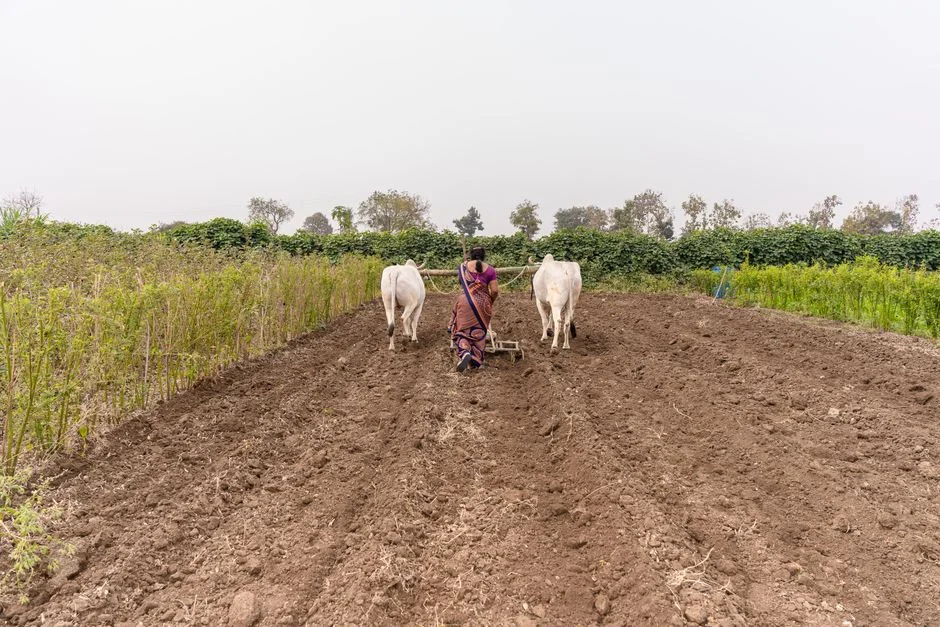
State officials confirmed the bill underwent preliminary review by the agriculture ministry before its formal introduction. The government has described the legislation as a response to longstanding demands from rural women's groups and agricultural unions who have pushed for legal recognition of women as farmers in their own right, rather than as secondary farmhands or homemakers.
Woman Farmer Certificate: The Core Mechanism
At the heart of the proposed legislation lies the Woman Farmer Certificate scheme. Under this provision, women actively engaged in agricultural work would be able to obtain official certification recognising their status as farmers. This certificate would serve as primary identification for accessing a range of government programmes, including subsidised loans, fertiliser subsidies, and crop insurance schemes.
Agriculture ministry officials noted that current systems often require land ownership documents as proof of farmer status, which disadvantages women who work on family farms without formal titles. The new certificate would allow women to establish their farming credentials independently, even on land owned by male relatives or held under collective family arrangements.
Eligibility and Application Process
The bill outlines that women who can demonstrate at least six months of annual involvement in farming activities would qualify for the certificate. Applications would be processed through district agriculture offices, with verification conducted by local agricultural extension officers. Critics have already raised concerns about whether adequate staffing exists in rural offices to handle potential demand, though the government has committed to expanding capacity if the bill passes.
Why Maharashtra Needs This Legislation
Maharashtra's agricultural sector employs roughly 54% of the state's working population, with women accounting for a substantial share of labour in crop cultivation, dairy farming, and horticulture. Despite this contribution, female farmers have struggled to secure bank loans independently, receive direct payments for produce, or register for government welfare programmes without male co-signatories.
Rural advocacy groups have documented cases where widows lost access to family farmland because they lacked formal ownership rights. Agricultural economists have pointed to this gap as a factor limiting investment in farm improvement, as women farmers often cannot borrow against land they informally cultivate.
Support and Skepticism from Farmer Groups
The bill has drawn mixed reactions from agricultural organisations operating in Maharashtra. The Maharashtra State Cotton Growers' Association welcomed the move, stating that recognising women farmers formally would encourage greater participation in agricultural training programmes. Meanwhile, some traditional farmer unions expressed concern about how the certificate scheme would interact with existing land registration systems, warning that overlapping documentation requirements could create confusion in rural areas.
The All India Kisan Sabha, a prominent farmers' rights organisation, called the bill a positive first step but urged the government to include provisions for direct land transfer to women farmers rather than relying solely on certification schemes. The organisation's Maharashtra secretary noted that certificates alone would not resolve deeper structural inequities in property inheritance laws.
Financial Implications for Rural Households
Agricultural economists estimate that formalising women's access to credit could unlock billions of rupees in additional lending to Maharashtra's farming sector. Women farmers frequently cite collateral requirements as the primary obstacle to expanding their operations, particularly in districts where cash crops like grapes, onions, and cotton dominate the rural economy.
The bill proposes establishing a dedicated corpus fund to support low-interest loans for certified woman farmers. Initial allocations have been discussed at the committee level, though specific figures will only become clear during the detailed clause-by-clause examination of the legislation. Banking correspondents in Mumbai noted that private sector lenders would likely be encouraged, though not mandated, to participate in the scheme.
Timeline: What Happens Next
The bill must now clear several parliamentary stages before becoming law. After its formal introduction, the Assembly speaker is expected to refer it to a select committee for detailed examination. This committee will likely hold public hearings in major agricultural districts including Nagpur, Pune, and Nashik, where farming communities can submit written memoranda or appear in person to voice their views.
Observers expect the committee process to take at least three to four months, meaning a final Assembly vote would likely occur during the summer session. The state government has indicated its intention to push the legislation through within the current financial year, though political analysts note that competing legislative priorities could affect the timeline.
What Readers Should Watch
The coming weeks will reveal whether opposition parties in the Assembly attempt to amend the bill before its committee referral. Several legislators have already signaled interest in modifying provisions related to land titling, arguing that the current draft does not go far enough in addressing inheritance disparities. The government has so far rejected calls for substantial changes, maintaining that the certification approach represents a practical first step.
Rural banking officials and microfinance institutions will also be monitoring the bill's progress closely. If the Woman Farmer Certificate scheme functions as intended, it could serve as a model for other Indian states grappling with similar gaps in agricultural recognition. Watch for announcements regarding pilot district programmes, which the government has indicated may begin before the full legislative process concludes.
See Also
- Nitish Kumar eyes Rajya Sabha seat: What it means for Bihar's political landscape
- TVK Minister Rajmohan Defends Tamil Nadu’s Two-Language Policy
The state government has indicated its intention to push the legislation through within the current financial year, though political analysts note that competing legislative priorities could affect the timeline. Meanwhile, some traditional farmer unions expressed concern about how the certificate scheme would interact with existing land registration systems, warning that overlapping documentation requirements could create confusion in rural areas.