Authorities in Osizweni have ordered a postmortem examination on the exhumed body of Thamsanqa Elijah Nkonyane, a prominent church leader whose burial has triggered an extraordinary legal and community dispute in KwaZulu-Natal.
Body Exhumed After Burial
The remains of Nkonyane were dug up from their original resting place in June, following an order that has stunned members of the Christian Catholic Apostolic Holy Spirit Church community. The church, locally known as the Zion movement, operates several congregations in the Osizweni area and surrounding townships.
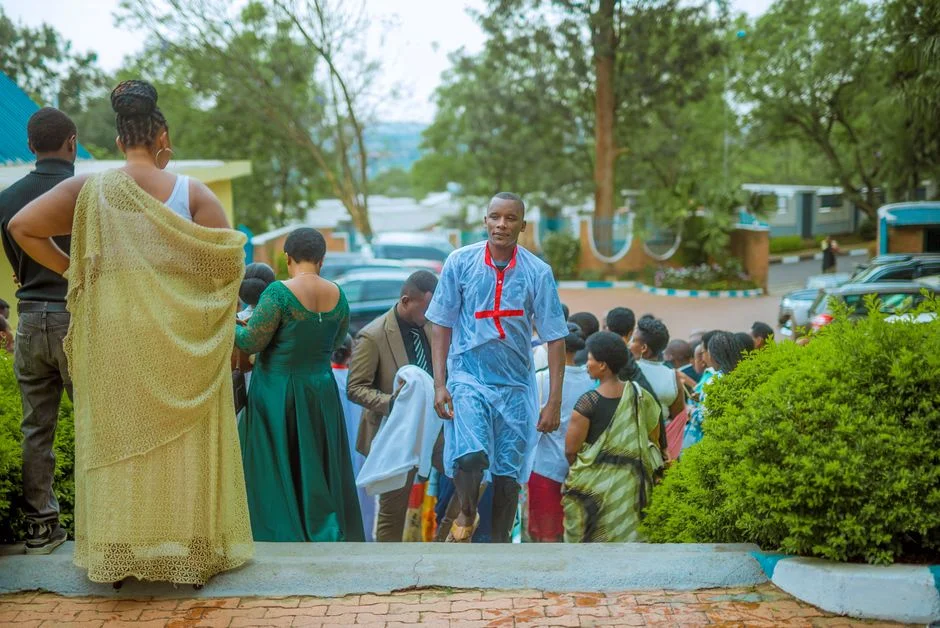
Police and municipal officials supervised the exhumation, which took place weeks after the initial burial. The circumstances surrounding both the burial and subsequent exhumation remain unclear, though local sources indicate the family was present during the procedure.
Postmortem Ordered by Authorities
Following the exhumation, authorities directed that Nkonyane's remains undergo a formal postmortem examination. The directive came from officials who have not publicly detailed their specific concerns about the initial burial arrangements.
Health officials confirmed the body was transported to a designated facility where pathologists will conduct the examination. The results are expected to be submitted to relevant authorities within the coming days.
Church Community Reacts
Members of the Christian Catholic Apostolic Holy Spirit Church have expressed confusion and concern over the sequence of events. The denomination, which maintains significant presence in rural and semi-urban areas of KwaZulu-Natal, has a long history in the region dating back several generations.
Church elders declined to comment directly but sources within the congregation say leaders are seeking legal counsel. The dispute has tested relationships between the church hierarchy and local authorities who oversee burial permits and cemetery regulations.
Burial Regulations Under Scrutiny
The case has brought attention to burial procedures in the Osizweni municipal area, where cemetery plots are managed according to municipal bylaws. Officials insist all interments must comply with health regulations, though critics argue the rules are applied inconsistently across different communities.
Local councillors have been drawn into the matter, with some calling for clearer guidelines on religious burial customs. The intersection of cultural traditions, religious practices, and municipal governance has created tension in several similar disputes across the province.
Family Statement Expected
Nkonyane's family has remained largely silent since the exhumation, releasing no formal public statement. Relatives are understood to be coordinating with church representatives regarding next steps. Legal observers suggest the family may challenge any findings that conflict with their understanding of the burial arrangements.
The dispute has highlighted gaps in communication between families, religious institutions, and municipal authorities when burial preferences conflict with regulatory requirements. Community mediators have attempted to facilitate dialogue without success.
What Happens Next
The postmortem report will determine whether authorities take further action or permit reburial. If no criminal or health concerns emerge, the family expects to arrange a second funeral according to their preferred customs. Church leaders have indicated they will support whatever decision the family makes regarding the remains.
Observers will be watching for the postmortem findings, expected within two weeks. Should the report raise objections to the original burial conditions, the case could set a precedent for how religious communities handle disputes over burial practices in the region.
See Also
- Parliamentary Union Warns of Stalled Women's Representation in Africa: What It Means for Communities
- Nigeria's Press Unions Demand End to Impunity for Journalists