Residents of Begusarai in Bihar are reeling after a gang rape incident that has sent shockwaves through the region and reignited national anguish over sexual violence against women. The assault, which occurred in recent days, has drawn immediate comparisons to the notorious 2012 Delhi gang rape that led to nationwide protests and sweeping legal reforms.
What Happened in Begusarai
Local authorities in Bihar confirmed the incident took place in Begusarai district, though they have yet to release full details pending the completion of initial investigations. The victims have been provided medical care, and police have registered a case against unidentified suspects. Senior officers from the Bihar Police have travelled to the district to oversee the investigation personally.
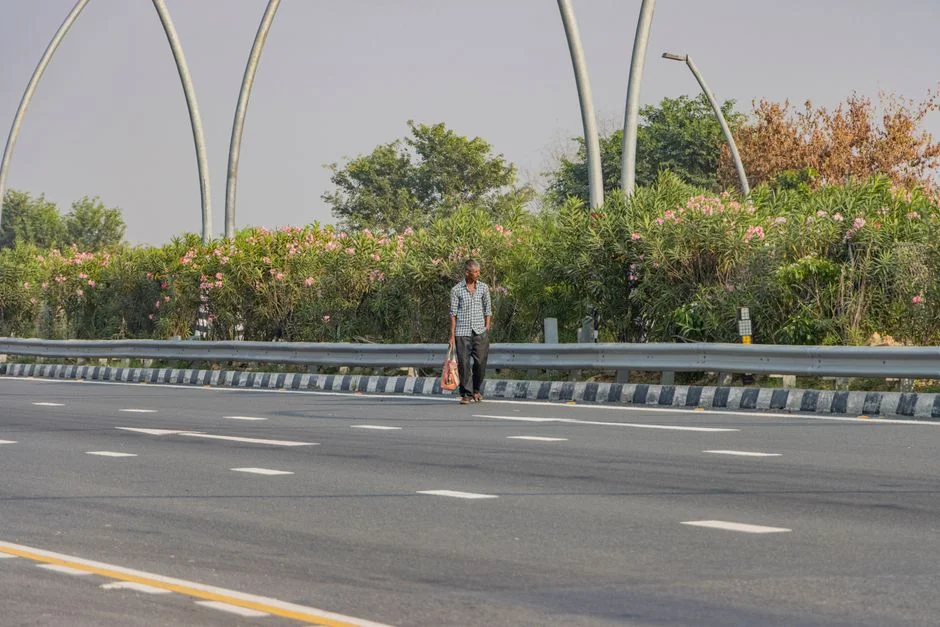
The speed of the response reflects the political sensitivity surrounding crimes of this nature in India, where such incidents routinely attract intense media coverage and public anger. Villagers in the surrounding area have held demonstrations calling for swift action against those responsible.
The Shadow of 2012
The Begusarai case arrives twelve years after the Delhi assault that became known as the Nirbhaya case, in which a young woman was raped and beaten on a moving bus before dying from her injuries. That crime sparked mass protests across Indian cities and prompted parliament to introduce stricter laws, including the Criminal Law Amendment Act of 2013, which introduced the death penalty for repeat offenders in rape cases.
Despite those legal changes, women's rights advocates argue that conviction rates remain stubbornly low while incidents of sexual violence continue. The National Crime Records Bureau reported that India recorded more than 31,000 rape cases in 2022 alone, though activists insist the true figure is far higher due to widespread underreporting.
Why Survivors Rarely Come Forward
Social stigma, lengthy court proceedings, and fear of retaliation deter most survivors from filing complaints. In rural areas such as Bihar, where conservative family structures dominate, the shame associated with sexual assault often falls on the victim rather than the perpetrator. Community leaders in Begusarai say the silence around such crimes has allowed violence to persist unchecked for generations.
Political Response and Accountability Demands
Leaders from across India's political spectrum have issued statements condemning the Begusarai attack. The Bihar government has promised a thorough investigation and announced compensation for the survivor. State officials have also ordered a review of security arrangements in the district, particularly along rural roads where such crimes often occur away from public view.
Opposition politicians have used the incident to criticise the central government's record on women's safety, arguing that Prime Minister Narendra Modi's administration has failed to deliver on promises made after the 2012 protests. However, officials from the ruling Bharatiya Janata Party have defended their track record, pointing to recent legislative measures and increased funding for women's helplines and emergency response systems.
The Reality on the Ground in Bihar
For families in Begusarai, the statistics and political statements ring hollow. Women in rural Bihar frequently describe a daily calculus of risk, avoiding travel after dark and arranging transport in groups whenever possible. Local women's organisations say they have documented dozens of unreported assaults in the district over the past three years alone.
The economy of Bihar, one of India's poorest states, compounds the problem. Limited employment opportunities force many young men to migrate for work, leaving women and girls in isolated settings with reduced protection. Infrastructure gaps mean that police stations are often hours away from rural villages, delaying response times when emergencies occur.
What Comes Next
The Central Bureau of Investigation may be called upon to assist Bihar Police, depending on whether the state government determines the local investigation requires additional resources or expertise. Legal observers expect any trial to move slowly through India's overburdened court system, where cases routinely take five years or longer to reach conclusion.
Women's rights organisations are preparing to monitor proceedings closely, citing a history of inadequate evidence collection and witness intimidation in rural rape cases. They have called for the formation of a dedicated fast-track court in Bihar to handle sexual violence offences, a measure that has shown mixed results in other states.
Communities in Begusarai are watching closely. Survivors and activists say the response from authorities in the coming weeks will test whether India has truly learned anything from its past, or whether another cycle of outrage and inaction awaits.
See Also
- Rahul Reddy Defies US Racism: 'None of My Partners Are Indian'
- India Eyes Series Victory Against Afghanistan at Lucknow Fortress
Infrastructure gaps mean that police stations are often hours away from rural villages, delaying response times when emergencies occur.What Comes NextThe Central Bureau of Investigation may be called upon to assist Bihar Police, depending on whether the state government determines the local investigation requires additional resources or expertise. State officials have also ordered a review of security arrangements in the district, particularly along rural roads where such crimes often occur away from public view.Opposition politicians have used the incident to criticise the central government's record on women's safety, arguing that Prime Minister Narendra Modi's administration has failed to deliver on promises made after the 2012 protests.