A quiet agricultural shift is taking root across India's drier regions, with farmers beginning to cultivate agave — the spiky blue plant best known as the backbone of tequila and mezcal. Officials see potential for a homegrown spirits industry that could reduce import dependence while creating new income streams for rural communities.
The plant that changed Mexican spirits arrives in India
Agave americana and related species have grown wild in parts of Rajasthan and Gujarat for decades, largely ignored. Now, the government and private investors are actively promoting commercial cultivation. The succulent thrives in semi-arid conditions where most crops struggle, requiring far less water than sugarcane or wheat — India's traditional feedstock for alcoholic beverages.
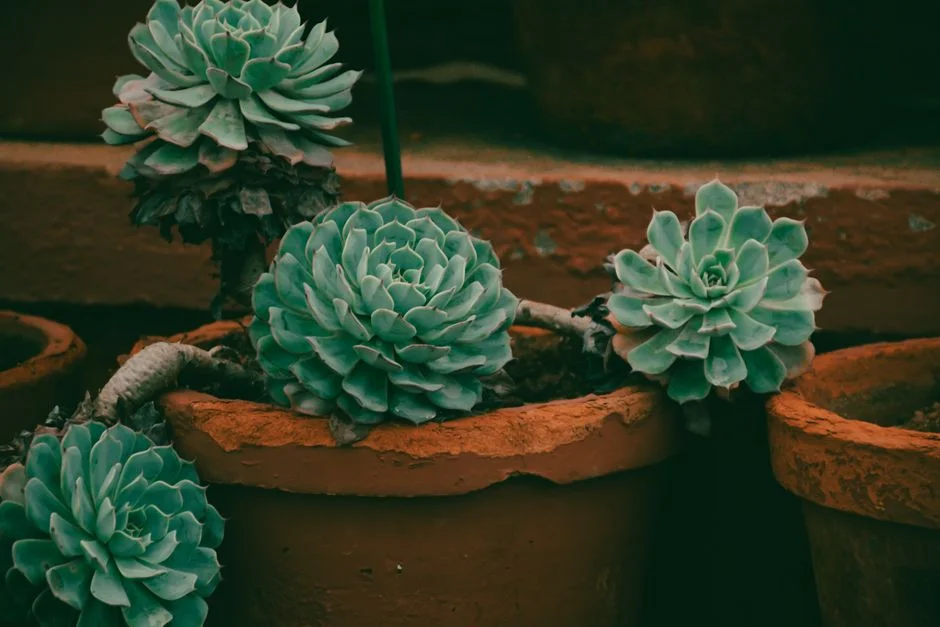
The timing matters. India imports significant volumes of tequila and agave-based spirits, with the market for premium imported spirits expanding steadily in urban centres. Industry estimates suggest the country spends hundreds of crores annually on agave products from Mexico and the United States.
From field to bottle: the emerging supply chain
Pilot projects have launched across three states, with Rajasthan leading the effort. Agricultural extension officers in Jodhpur and Jaisalmer districts have begun training farmers on cultivation techniques, harvesting cycles, and post-harvest processing. The plant requires minimal irrigation once established — a genuine advantage in regions facing groundwater depletion.
Distilleries in Gujarat have started experimenting with fermentation and distillation processes adapted for Indian agave varieties. Early batches of experimental spirit have emerged from facilities in Surat and Ahmedabad, though producers acknowledge the product still requires refinement to match established international standards.
Who benefits — and who is watching closely
For farming communities in water-stressed districts, agave offers something valuable: a crop that survives without constant irrigation. Early adopters report modest but stable returns, significantly better than failed pulses or millets in drought years. Rural employment in cultivation, harvesting, and processing could reach thousands of workers if the industry scales as planned.
Consumer brands are monitoring developments closely. Major Indian spirits companies have sent representatives to inspect pilot plots and meet with agricultural cooperatives. Several have begun preliminary discussions about sourcing agreements, though no formal contracts have been announced publicly.
The Food Safety and Standards Authority of India will need to establish clear standards for domestically produced agave spirit before large-scale commercial launches become possible. Currently, no specific category exists in Indian regulations for agave-based products.
Water, land, and the economics of diversification
India's agricultural sector faces mounting pressure to diversify beyond water-intensive crops. Sugarcane, which supplies much of India's rum and country liquor production, consumes enormous quantities of groundwater. State governments have repeatedly urged farmers to shift toward less thirsty alternatives.
Agave fits that narrative neatly. Once planted, the crop requires little intervention for three to five years before the core (the piña) reaches harvestable size. Farmers in Jodhpur district who participated in early trials described the economics as "promising but unproven" — a common sentiment when introducing new commercial crops.
Critics raise legitimate questions about market saturation and processing infrastructure. Building distillation capacity at scale demands capital most rural cooperatives cannot easily access. Without established supply chains, individual farmers face real risks if commercial production fails to materialise.
Lessons from abroad — and what India might do differently
Mexico's tequila industry offers both inspiration and caution. The denomination of origin protections that guard tequila and mezcal restrict how similar products can be marketed internationally. Indian producers would need to develop distinct branding and potentially seek separate geographical indication status for domestic agave spirits.
Some observers point to Australia's agave industry as a more relevant model. There, entrepreneurs planted agave decades ago with ambitions of a spirits sector; the outcome was mixed, with some ventures succeeding and others collapsing under commercial pressure. Indian producers are studying those experiences carefully.
The opportunity, if it materialises, extends beyond spirits alone. Agave fibres have applications in textiles and bio-composites. The plant's sap can yield sweeteners. By-products from distillation hold potential for animal feed. A single crop could underpin multiple industries — though that vision remains years from reality.
What happens next for India's agave ambitions
The next twelve months will test whether this agricultural experiment can transition from pilot projects to commercially viable production. Government agricultural institutes plan to release improved cultivation guidelines based on current trial data. Separately, parliamentary standing committee discussions on beverage industry regulation may create pathways for new product categories.
For ordinary Indians, the stakes are tangible. Lower domestic production costs could eventually mean more affordable agave-based options in liquor shops. Rural communities might gain new income sources independent of monsoon patterns. And if the industry achieves scale, India could emerge as a significant player in global spirits trade — a prospect that would have seemed implausible just five years ago.
Watch for announcements from the Ministry of Agriculture and Farmers Welfare regarding any expansion of agave cultivation subsidies. Industry sources suggest a major spirits company may announce its first formal sourcing partnership before the end of the financial year.
See Also
- Dave Rennie confirmed as All Blacks coach ahead of Rugby World Cup: what it means for India
- Maharashtra Teen Crushed by Cricket Pitch Roller — Community in Shock
And if the industry achieves scale, India could emerge as a significant player in global spirits trade — a prospect that would have seemed implausible just five years ago. Industry sources suggest a major spirits company may announce its first formal sourcing partnership before the end of the financial year.