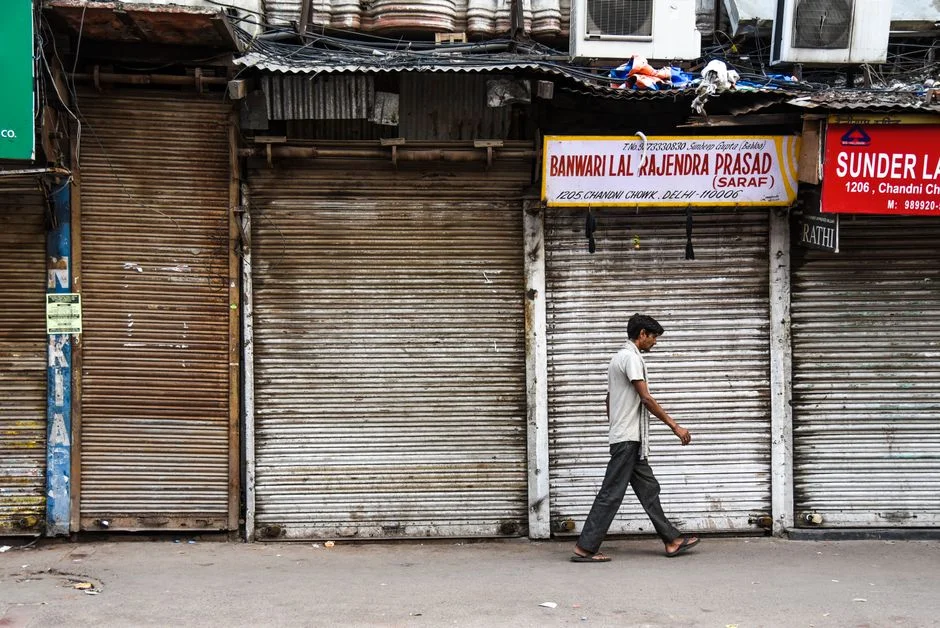
Residents in parts of Delhi woke on Wednesday to streets blanketed in hail and fallen tree branches after a violent hailstorm swept through the capital. Meanwhile, authorities in Kerala issued fresh flood alerts for several districts as heavy rainfall continued to pound coastal and inland areas. The contrasting weather events struck within the same 24-hour period, highlighting the extreme and unpredictable conditions gripping India.
Hailstorm Wreaks Havoc Across Delhi
The hailstorm struck Delhi during the late afternoon, depositing marble-sized ice pellets across neighbourhoods in North and Central Delhi. Video footage shared on social media showed residents scrambling for cover as the storm descended with little warning. The sudden downpour left roads slick and temporarily disrupted traffic on several major corridors.
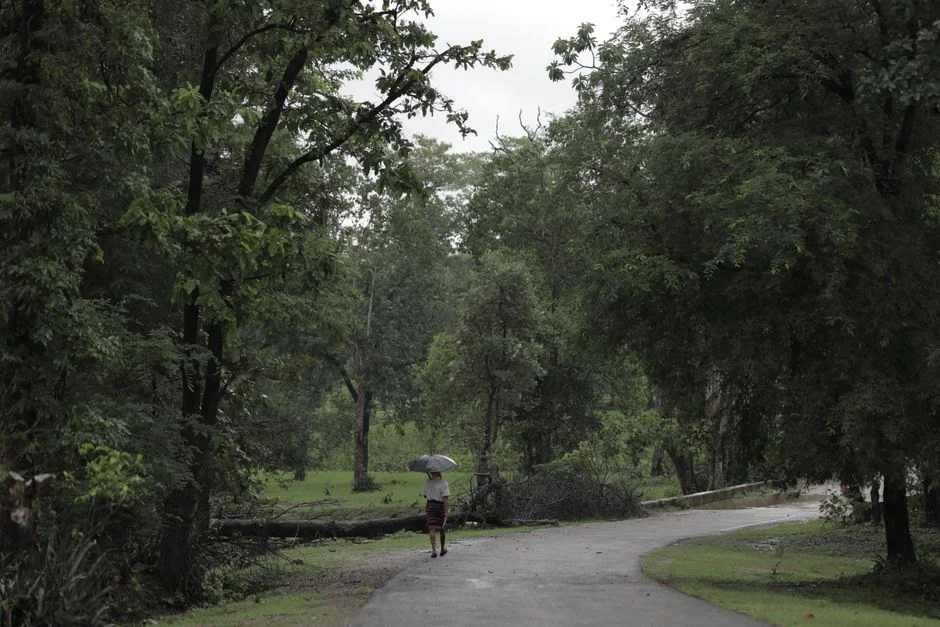
Local authorities reported fallen trees and damaged property in at least a dozen localities. Power cuts affected some residential areas for several hours. The Delhi Fire Services confirmed they received over 40 emergency calls related to storm damage between 4 pm and 7 pm. No casualties were reported by late evening.
The India Meteorological Department had issued a yellow alert for Delhi on Wednesday, warning of thunderstorms and gusty winds reaching up to 60 kilometres per hour. However, the intensity of the hail caught many residents off guard.
Kerala Battles Rising Water Levels
While Delhi dealt with hail, Kerala's district administrations were occupied with flood preparedness. The Kerala State Disaster Management Authority issued alerts for six districts as rivers swelled and low-lying areas began accumulating rainwater. Officials in Kottayam, Alappuzha, and Ernakulam districts conducted emergency drills and pre-positioned relief materials.
Local media reported that several streams and tributaries feeding into the Periyar and Pampa rivers were running dangerously high. Relief camps in vulnerable panchayats have been put on standby. District collectors held emergency meetings with emergency responders throughout Wednesday.
The Kerala Water Resources Department asked residents living near riverbanks to remain vigilant. Authorities also appealed to tourists to avoid visiting hilly areas and waterfalls, where the risk of flash floods remains elevated during heavy rainfall.
Understanding the Weather Pattern
Meteorologists attribute the contrasting weather events to contrasting atmospheric conditions across the subcontinent. A western disturbance passing through northern India brought cold air aloft, creating the conditions for hail formation in Delhi. Simultaneously, a low-pressure system over the Arabian Sea was funneling moisture-laden winds toward Kerala's coast.
The India Meteorological Department confirmed that both weather systems are expected to persist for another 48 hours. Scientists have noted that such rapid shifts between extreme weather events are becoming more frequent, citing climate variability as a contributing factor.
Community Response and Recovery Efforts
In Delhi, municipal corporation workers began clearing hail and debris from roads before dawn on Thursday. Residents in affected areas collaborated informally to clear fallen branches from alleyways and parking lots. Several residents told local reporters they had not witnessed a hailstorm of this intensity in their neighbourhood for several years.
Community organisations in Kerala have already begun distributing sandbags to households in flood-prone wards. Fishermen's cooperatives along the coast reported checking boats and equipment in anticipation of rough seas. Schools in high-risk areas have been directed to verify that evacuation routes remain accessible.
What to Watch in the Coming Days
The IMD has forecast continued rainfall in Kerala through the weekend, with some models suggesting accumulations exceeding 150 millimetres in isolated areas. Delhi can expect clearer skies on Thursday, though another western disturbance may bring renewed instability early next week.
Authorities in both states urged citizens to monitor official updates and avoid spreading unverified information on social media during emergencies. The National Disaster Response Force has units on standby in both regions, though no deployment orders have been issued so far.
See Also
- Proteas Confirm Focus on Home Advantage for 2027 World Cup: What It Means for Fans
- Amita Singh Tomar Arrested in Gwalior — Scandal Shakes Madhya Pradesh Politics
What is the latest news about delhi cleans up after violent hailstorm kerala issues flood alerts?
Why does this matter for development?
What are the key facts about delhi cleans up after violent hailstorm kerala issues flood alerts?