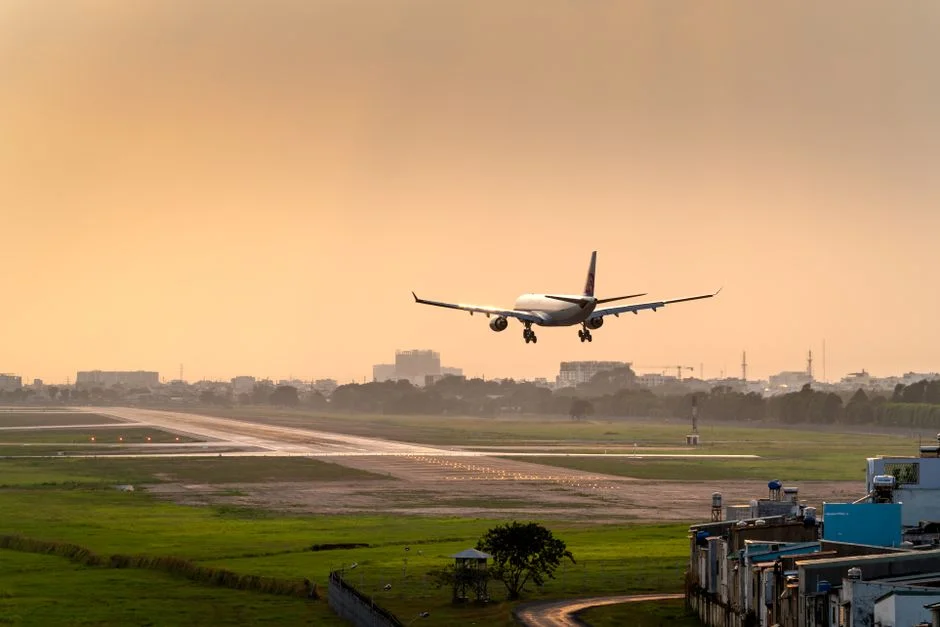
Viswashkumar Ramesh, the sole survivor of the Air India flight crash that killed more than 250 people, has spoken publicly about the lasting psychological toll of the tragedy, describing nightmares, anxiety, and an inability to return to normal life a year after the disaster.
The sole survivor speaks out
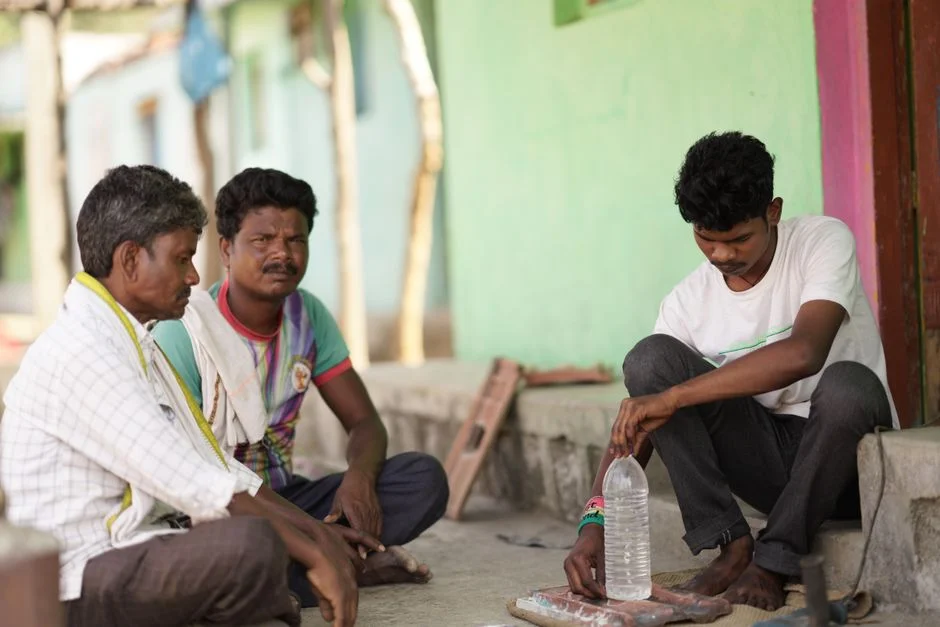
Ramesh appeared in his first major television interview since the crash, telling reporters that he wakes up screaming several times each week. The 34-year-old described how even routine sounds—a door slamming, a car backfiring—can trigger panic attacks. "My mind replays the moment of impact over and over," he said. "I see the faces of the people I could not save." Medical professionals have diagnosed him with severe post-traumatic stress disorder, and he is currently undergoing intensive therapy in Mumbai.
The crash that changed Indian aviation
The Air India Flight disaster occurred when the aircraft veered off the runway during landing in poor weather conditions. Emergency responders pulled Ramesh from the wreckage with critical injuries, while all other passengers and crew perished. The Directorate General of Civil Aviation launched an immediate investigation, grounding the airline's fleet of similar aircraft types pending safety reviews. Investigators later identified mechanical failure as a contributing factor, alongside adverse weather conditions at the airport.
Official investigation findings
The final investigation report, released six months after the crash, cited multiple system failures aboard the aircraft. Pilot training procedures came under scrutiny, as did maintenance protocols for the airline's aging fleet. The report made 23 recommendations for safety improvements, all of which the aviation regulator has since mandated for implementation across Indian carriers.
Air India's response and compensation
Air India has paid compensation to families of the victims, with settlements reportedly ranging from Rs 50 lakh to Rs 1 crore depending on circumstances. The airline's chairman announced a dedicated fund for survivor support, though Ramesh is the only survivor eligible for such assistance. The carrier has also invested heavily in pilot retraining programmes and fleet modernisation, spending an estimated Rs 2,000 crore on safety upgrades over the past year.
The human cost of the tragedy
Beyond the statistical toll, the crash left hundreds of families shattered. Relatives of victims, many from Gujarat and Maharashtra, staged protests demanding better safety standards and faster compensation payouts. Community leaders in several districts organised memorial services, and local schools named classrooms after victims who were students. The psychological impact extends to first responders who recovered bodies from the wreckage, many of whom required counselling.
Changes in India's aviation sector
The crash prompted the aviation regulator to tighten safety protocols across the industry. New rules now require airlines to conduct more frequent maintenance checks on older aircraft and to implement stricter crew resource management training. Air traffic control procedures at major airports have also been revised, with enhanced communication protocols during adverse weather. Industry analysts note that passenger confidence in Indian aviation has gradually recovered, though the incident remains a cautionary tale.
Looking ahead
Ramesh is expected to testify before a parliamentary committee examining aviation safety in the coming weeks. His testimony could influence new legislation on survivor support and mandatory counselling for accident victims. The aviation ministry has indicated it will review whether current compensation frameworks adequately address psychological rehabilitation. Ramesh himself has said he hopes his public disclosure will encourage other trauma survivors to seek help. "Silence does not heal," he told interviewers. "Speaking out is the only way forward."
See Also
- Vila Franca Residents Slam Closure of Gynaecology and Obstetrics Unit: What It Means for Local Families
- India Sees Surge in Women Choosing Hospital Births as Private Care Gains Appeal
The psychological impact extends to first responders who recovered bodies from the wreckage, many of whom required counselling.Changes in India's aviation sectorThe crash prompted the aviation regulator to tighten safety protocols across the industry. Air traffic control procedures at major airports have also been revised, with enhanced communication protocols during adverse weather.