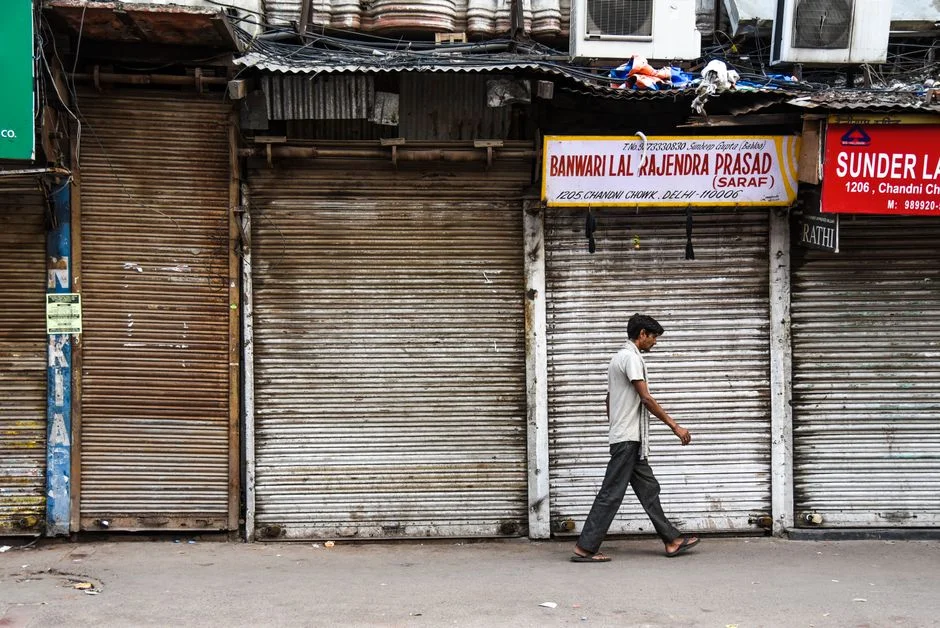
The United Nations Development Programme's top official in India has issued a stark warning about the country's urban trajectory, declaring that cities of the future cannot simply become hotter, more crowded versions of what exists today. The remarks from the UNDP India head set off alarm bells across policy circles, urban planning forums, and neighbourhood associations already grappling with sweltering summers, flooded streets, and crumbling infrastructure.
The Warning That Cities Cannot Ignore
Speaking at a public forum in New Delhi, the UNDP India Representative made clear that India's urban centres face an existential crossroads. Urban migration continues unabated, with millions relocating to cities each year seeking economic opportunity. Yet the infrastructure designed for far smaller populations now strains under unprecedented pressure. The UNDP official argued that continuing along the current path means building cities that are fundamentally less liveable than those inherited from previous generations.
Climate projections add urgency to the message. Summertime temperatures in Indian cities already breach dangerous thresholds, and heat island effects concentrate sweltering conditions in densely built areas. The UNDP representative warned that without deliberate intervention, future urban Indians will face not merely discomfort but genuine threats to health, productivity, and quality of life.
Why Citizens in Growing Cities Should Take Note
For the millions already living in India's metropolitan areas, the implications are immediate and personal. Residents of areas like Govandi in Mumbai or Seelampur in Delhi experience the consequences of inadequate urban planning daily. Narrow streets trap heat. Drainage systems collapse during monsoon season. Air quality in urban corridors routinely registers in hazardous ranges.
The UNDP India head pointed specifically to the lived experience of ordinary citizens. When cities overheat, electricity demand spikes and outages become common. When drainage fails, flooded homes and businesses become a seasonal reality. When air quality deteriorates, hospital emergency rooms fill with patients suffering respiratory distress. These are not hypothetical future scenarios but present-day conditions that will intensify without fundamental change.
The Urban Planning Reckoning India Faces
India's urban landscape is expanding at a pace that outstrips the capacity of municipal authorities to plan effectively. Population centres that barely existed two decades ago now house hundreds of thousands. New housing blocks rise without corresponding investment in water treatment, waste management, or green spaces. The result is cities that function adequately for some residents while imposing severe hardships on others.
The UNDP official emphasised that urban planning must evolve beyond simply accommodating growth. Cities need to absorb climate realities rather than amplify them. This means preserving and expanding green cover, designing buildings and streetscapes that reduce heat absorption, and investing in public transport that reduces reliance on private vehicles. The alternative is continued degradation of urban habitability.
What Climate-Smart Cities Could Look Like
Urban planners and environmental specialists have begun articulating what climate-resilient Indian cities might require. Green corridors connecting parks and preserved natural areas can provide cooling effects while offering recreational space. Building codes that mandate reflective surfaces and natural ventilation can reduce dependence on air conditioning. Investments in metro systems, electric bus fleets, and walkable neighbourhoods can cut both emissions and urban heat.
Some Indian cities have already begun experimenting with climate adaptation measures. Bengaluru's lake restoration projects aim to revive urban water bodies that provide cooling and flood management. Ahmedabad has implemented an early warning system for extreme heat events. The UNDP official cited these examples as evidence that change is possible but warned that isolated initiatives remain insufficient against the scale of the challenge.
The Stakes for India's Urban Communities
The UNDP India's representative made clear that urban climate planning is fundamentally a social justice issue. Wealthier residents can adapt to hostile urban conditions by installing air conditioning, relocating to cooler neighbourhoods, or leaving cities entirely during peak summer. Lower-income households lack these options. Families in informal settlements often face the worst combinations of heat, flooding, and air pollution with the fewest resources to respond.
Communities across India's urban landscape are already organising around these concerns. Resident welfare associations in cities like Pune, Hyderabad, and Chennai have begun demanding better infrastructure and climate-responsive planning from municipal authorities. Youth groups have launched neighbourhood tree-planting initiatives and urban farming projects. The UNDP official acknowledged this civil society energy while noting that grassroots efforts require supportive policy frameworks to achieve meaningful scale.
What Comes Next for India's Urban Future
The UNDP India head's warning arrives as the central government prepares its next urban development framework. Municipal elections in several major cities are scheduled within the coming months, bringing urban infrastructure and climate resilience onto political agendas. Urban development authorities in states like Maharashtra, Karnataka, and Tamil Nadu are reviewing master plans that will shape city development for decades.
Watch for upcoming announcements on climate financing for urban projects. The UNDP has signalled continued engagement with Indian cities on adaptation planning, and international climate funds represent potential resources for demonstration projects. Whether Indian cities absorb this warning in time to avoid becoming hotter, more difficult versions of today remains the defining urban question for the coming decade.
See Also
- Indian Railways Achieves Nearly 100% Electrification: What It Means Amid West Asia Crisis
- Real Madrid End Winless Run as Mbappe Shines at Bernabeu
Building codes that mandate reflective surfaces and natural ventilation can reduce dependence on air conditioning. Communities across India's urban landscape are already organising around these concerns.