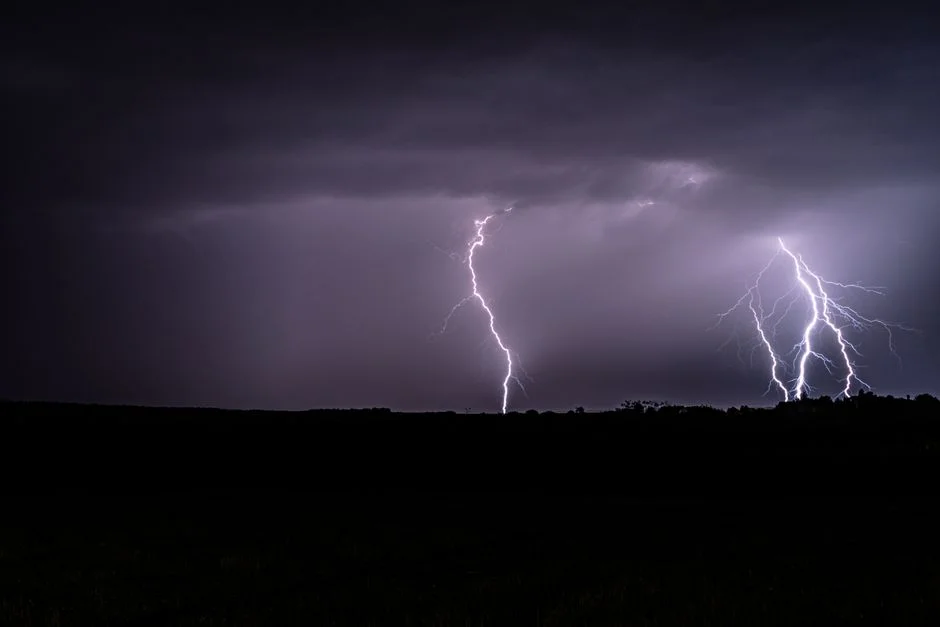
Delhi residents should brace for wet weather. The India Meteorological Department has issued a Yellow alert for the capital, warning of light rain and thunderstorms over the next two days. The advisory, released on Tuesday, covers the city and surrounding NCR regions, with gusty winds expected alongside the precipitation.
Yellow Alert Details and What It Means
The IMD classifies a Yellow alert as a watch notice, urging residents to stay updated on weather conditions. According to the department's forecast, light rainfall is expected across Delhi, with isolated thunderstorm activity. Wind speeds could reach 30 to 40 kilometres per hour during the episodes.
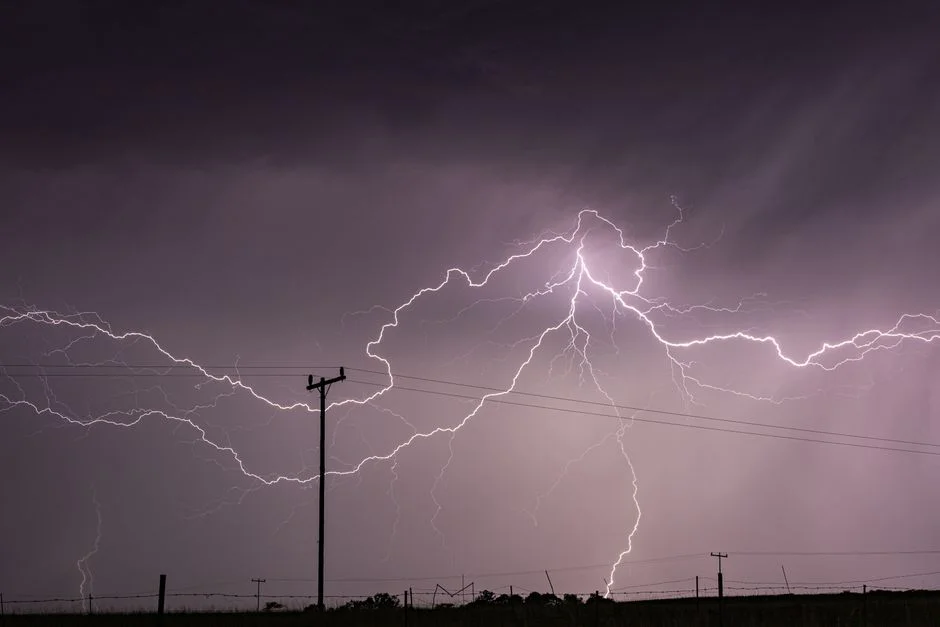
Officials emphasised that while the weather system is not severe, conditions favour the development of thunderclouds. The alert remains in effect for 48 hours, after which another assessment will determine whether to extend or lift the warning.
Impact on Daily Commutes
Commuters in Delhi face disruptions during peak hours. Morning travel on Wednesday and Thursday could see reduced visibility due to rain and sudden gusts. The traffic police have advised motorists to maintain safe distances and avoid speeding during thunderstorm activity.
Public transport users should prepare for potential delays. Bus services along exposed routes may run slower than usual, and metro authorities have indicated they will monitor platform conditions closely.
Power and Infrastructure Concerns
Local power distribution companies are on standby. Previous monsoon seasons have seen transformer failures and downed power lines during sudden storms. BSES Yamuna Power Limited confirmed it has mobilised teams across South and East Delhi to respond to outages quickly.
Drainage systems in low-lying areas remain a concern. Crews from the Municipal Corporation of Delhi have been deployed to clear choked drains in neighbourhoods prone to waterlogging, including parts of South Delhi and the Rohini sector.
Schools and Outdoor Activities
Many schools in Delhi have not announced closures, but parents should monitor official communications. Several private institutions have sent circulars advising early pick-up times on Wednesday afternoon. Outdoor events and construction work in open areas face temporary halts when thunder is audible.
Safety Advisories for Residents
The National Disaster Management Authority issued a list of precautions for residents during thunderstorms. People should avoid taking shelter under trees or near metal structures. Those caught outdoors should crouch low if no safe building is nearby.
Residents in pucca houses should stay indoors during peak storm activity. Power surges can damage appliances, so unplugging sensitive electronics during heavy rain is advisable. Farmers in the Delhi border areas have been warned to avoid working in open fields.
Weather Pattern and Climate Context
This weather system follows a period of unusually dry conditions in the capital. Delhi experienced above-normal temperatures last week, with maximums hovering around 36 degrees Celsius. The incoming system marks a shift in atmospheric patterns over northern India.
Meteorologists tracking the Western Disturbance said the interaction between moist winds from the Bay of Bengal and cooler air from the north created conditions favourable for thunderstorm development over Punjab, Haryana, and Delhi.
What Residents Should Watch
The IMD will issue updated bulletins every six hours during the alert period. The next significant update is expected Wednesday morning, which will refine rainfall estimates for different parts of the city. Residents can access real-time alerts through the Mausam app or the department's official website.
Those with travel plans to hill stations near Delhi should check road conditions, as mountainous routes can experience landslides during heavy rain. Airlines have not announced cancellations, but passengers should monitor flight status portals for potential delays.
Looking Ahead
The weather system is expected to move east by Thursday evening, bringing relief to Delhi. However, the IMD cautioned that more Western Disturbances are likely this month, meaning additional rain events cannot be ruled out. Farmers awaiting sowing operations should coordinate with local agricultural extension offices for updated advisories. Residents should keep emergency contacts and first-aid supplies accessible until the alert is lifted.
See Also
- Visakhapatnam Collector Sets June 30 Deadline for Bhogapuram Airport Roads
- Malcolm Marx and Nadine Roos Triumph at 2025 SA Rugby Awards: Here’s What It Means for Local Rugby
What is the latest news about delhi issues yellow alert as thunderstorms set to hit over next two days?
Why does this matter for culture-religion?
What are the key facts about delhi issues yellow alert as thunderstorms set to hit over next two days?